In Slovakia, A Visit With the Blood Countess

The Slovakian capital of Bratislava is only an hour by train from Vienna, Austria, which turned out to be convenient—because we were in Vienna. That’s homebase for my niece, a newly minted doctor, and her retired racing greyhound dog. My wife is 50 percent Slovak, and she’d never been there, so we decided to spend a few days traveling around the country, visiting her family’s old stomping grounds in Trenčín.

Bratislava was in high political season while we were there, with posters on every flat surface. The election was won, three weeks later, by Robert Fico, ostensibly a leftist but also a populist friend of Russia and an opponent of aid to Ukraine. His SMER-SSD party only got 23 percent of the vote, though, so in a parliamentary system it will have to form a coalition to actually govern.

 A land of castles, Slovakia has one foot in the past and the other very much in the present. There are more than 100,000 Ukrainian refugees in this small country of 5.4 million. Ukraine and Slovakia share a border to Slovakia’s east. Slovakians know something about foreign oppression—the ruling Hungarians suppressed Slovak language and culture in a program of “Magyarization” that followed the Austrian-Hungarian Compromise of 1867.  That period ended with the joining of Slovak and Czech into one nation circa 1918. (They separated again in 1993.)
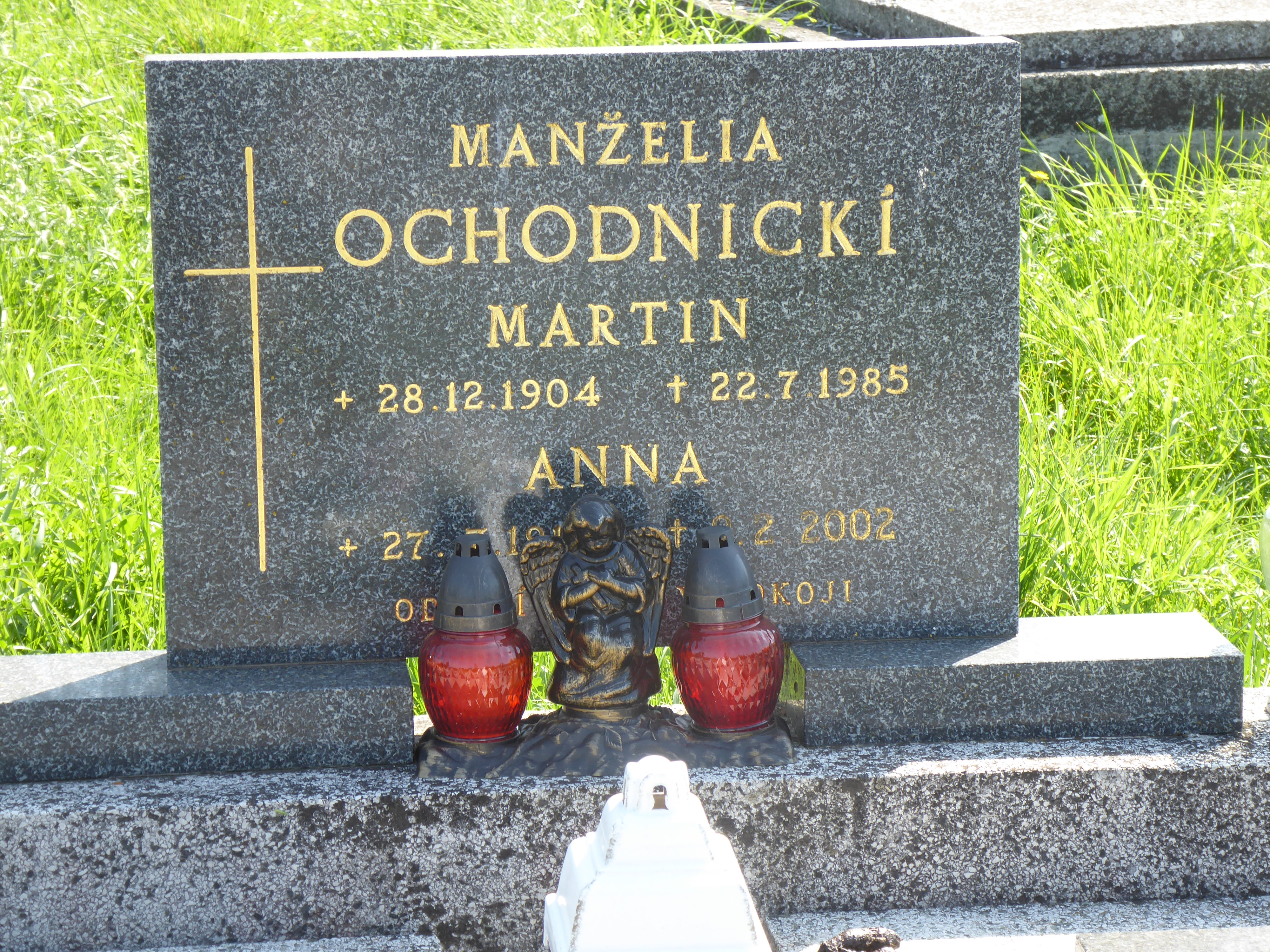
For the day, we hired Martin Talac of Slovakation, which promotes “active” tours, which means hiking in the High Tatra and Sulov mountains, plus other destinations such as Slovak Paradise National Park. We did a fair amount of walking, though probably not as much as is customary for Martin, and at one point briefly entered the Czech Republic on a mountain path with breathtaking views. We found the Protestant cemetery in the town of Krajne where my wife’s relatives are buried (see above), had lunch at a restaurant with a great selection of America oldies, and we even found the address that was printed on the fading envelopes from the old country. In a town as small as Trenčín, there are no street names—just numbers.
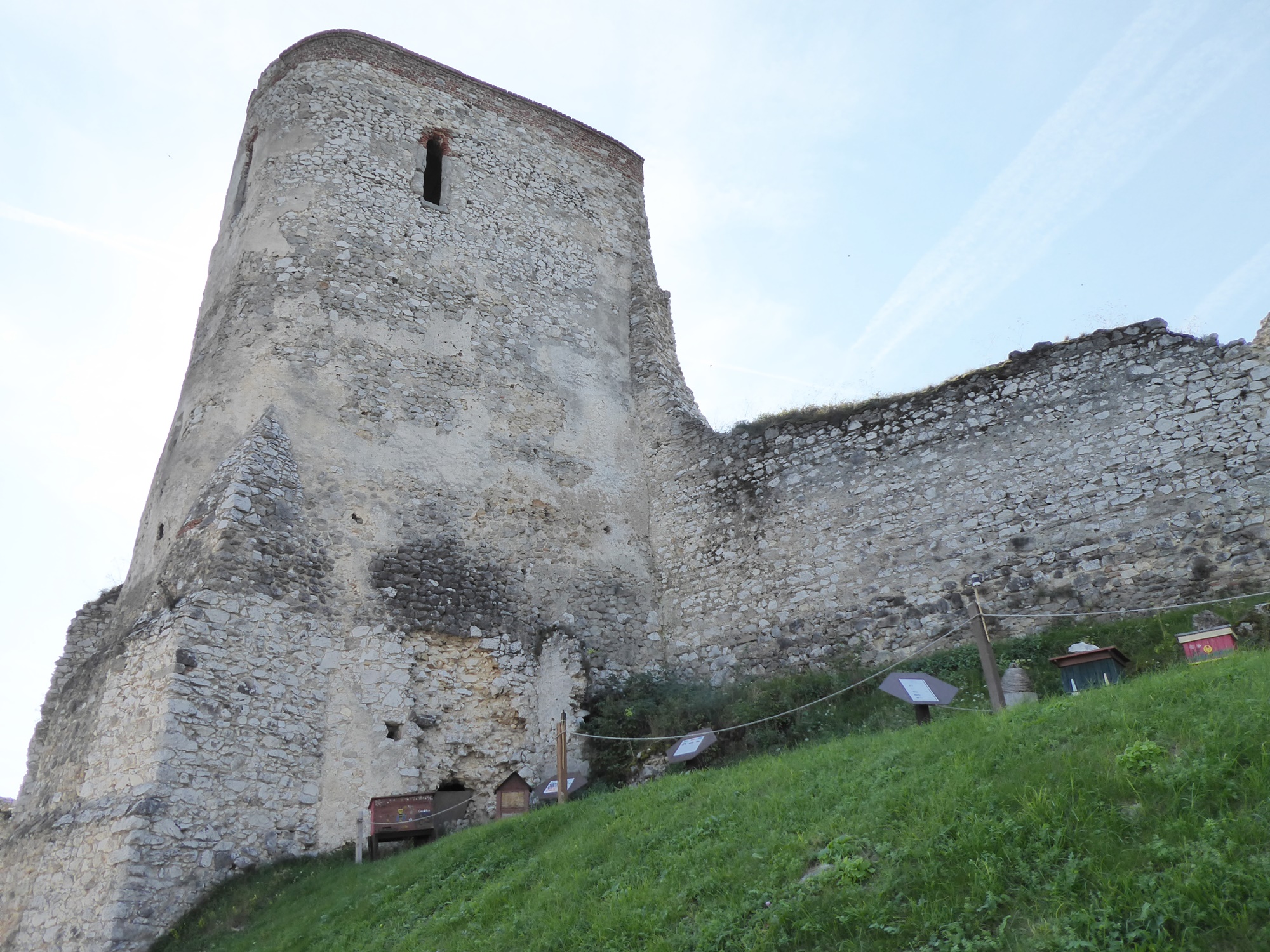
Castle Čachtice up close. (Jim Motavalli photo)

I mentioned castles, and in western Slovakia the ruins of Castle Čachtice, which looms over a town of the same name, was a highlight of our tour. The early Gothic pile was built in approximately 1260 by Casimir of the House Hunt-Poznan. By 1273 it was withstanding the onslaught of King Premysl Otakar II. Under the Orsags family (1436-1567) the castle was expanded with improved defenses and sumptuous residences.

The view from the castle walls. (Jim Motavalli photo)

But it’s the 17th century we’re concerned with here. Countess Elizabeth Báthory (1560-1614) inherited the castle after the death of her husband, the war-loving Count Ferenc Nádasdy, in 1604. No less an authority than National Geographic says that the count schooled his wife in sadism and torture. “For Báthory’s pleasure, Nádasdy had a girl restrained, lathered in honey, and ravaged by insects,” the magazine said. “He gifted the countess gloves spiked by claws, with which to thrash her servants for their mistakes.”

The countess in a likeness that’s likely a copy of the original painting.

In popular lore, Báthory believed that bathing in the blood of virgins preserved her own youth, and she was accused of killing more than 600 young girls for this purpose. Apparently, it was OK to abuse servants—that was common at the time—but when the countess started kidnapping and murdering the daughters of the nobility her crimes could no longer be ignored.
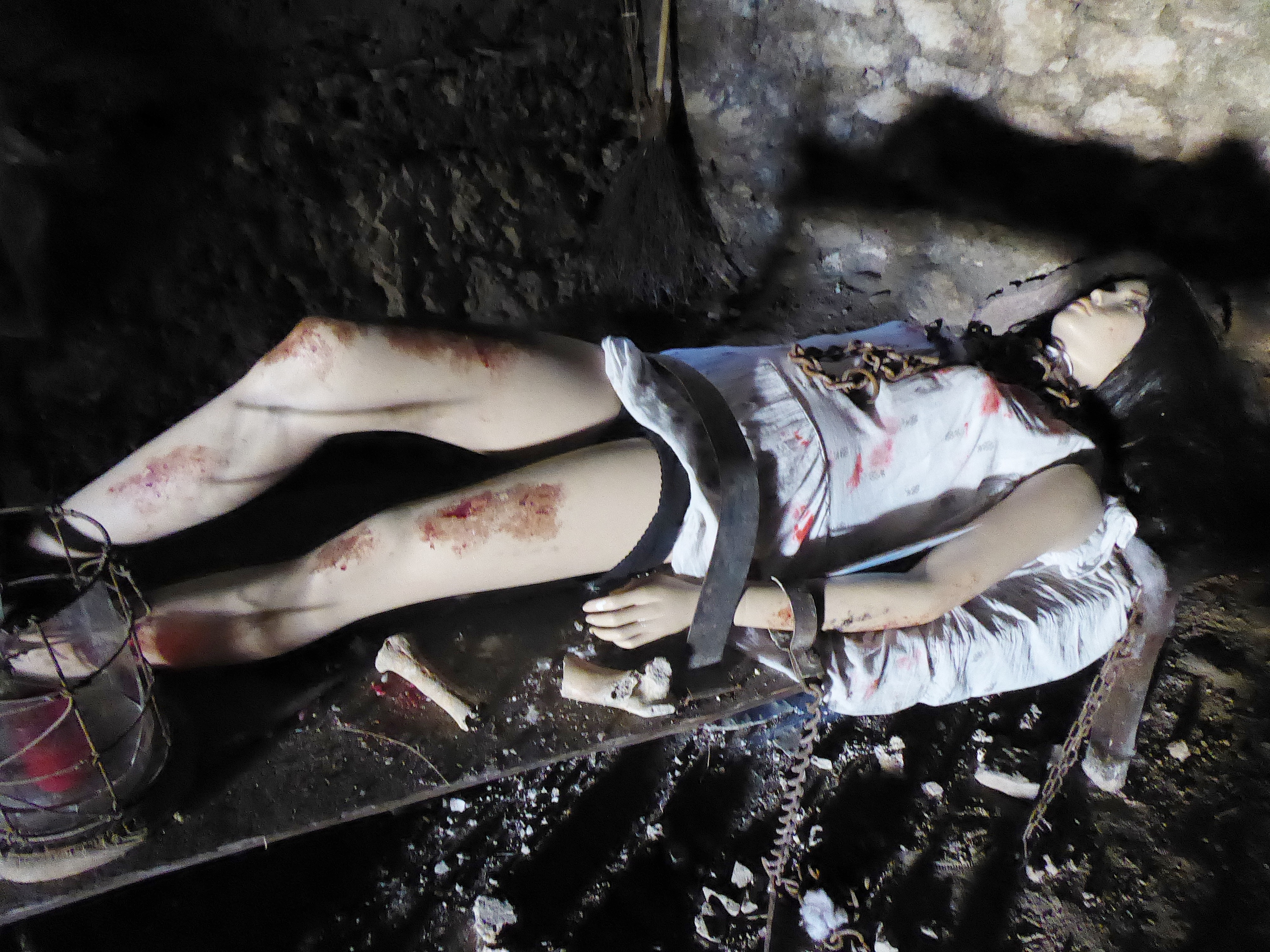
Is this the way it was? An evocative tableau inside the castle, with mannequin victim. (Jim Motavalli photo)

An investigation was launched by the King of Hungary, Matthias II, in 1610. Báthory was charged in the deaths of 80 young women, but despite the gathering of considerable testimony (which makes grim reading), was never convicted. She was instead imprisoned in her own castle, though four of her servants were hideously tortured to death. “The Blood Countess” lived in a tiny room, with meals slid into her, for four years until her death in 1614. She was 54.
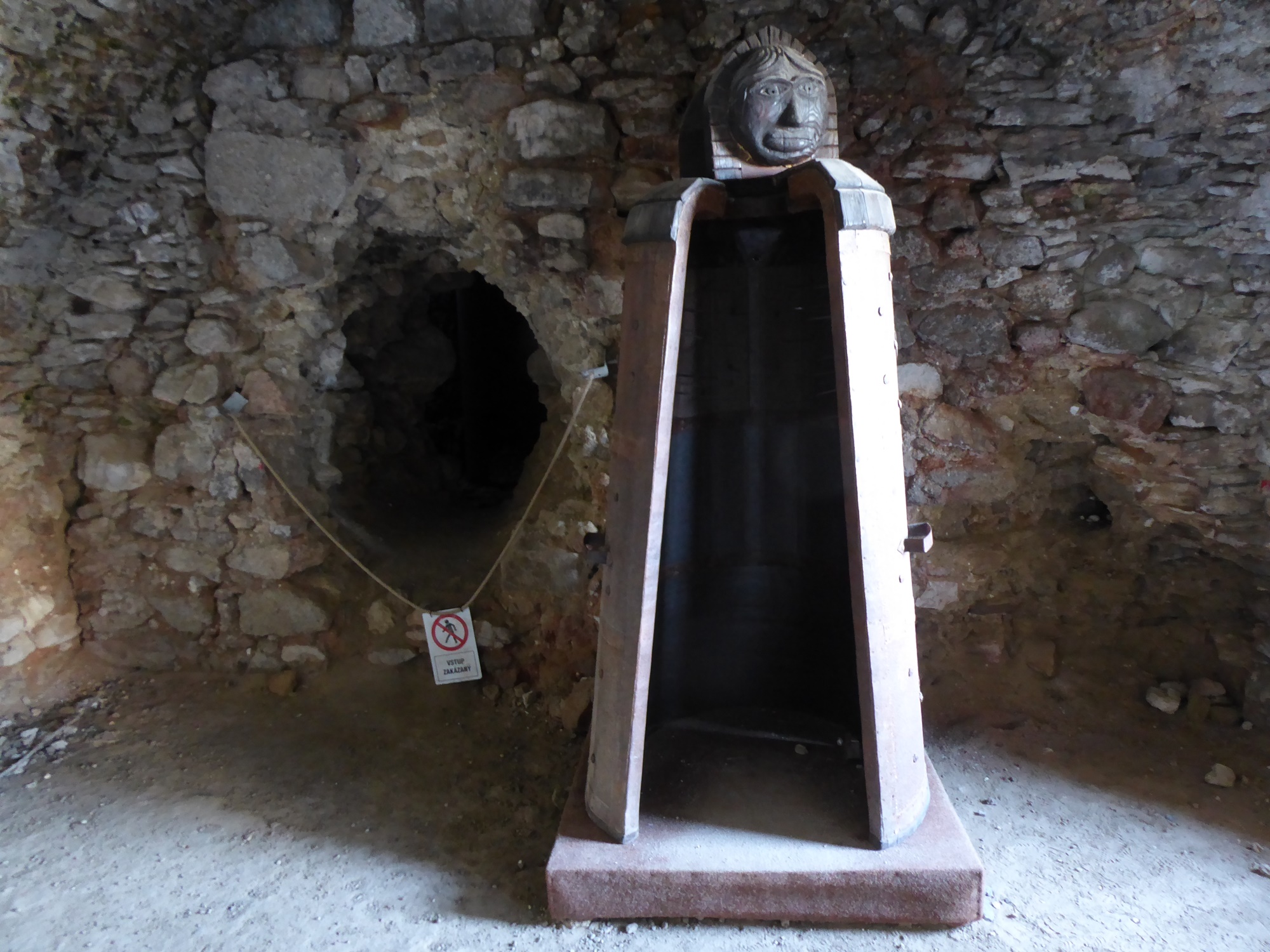
The iron maiden is likely not the original. (Jim Motavalli photo)

Today, many historians say that the countess was the victim of local politics, or of mass hysteria similar to the Salem witch trials. The crumbling castle isn’t saying.

Tourism is down in Slovakia, both because of COVID and disruptions related to the Russia-Ukraine war. But Castle Čachtice is doing its best. Báthory Wine is available in the gift shop, and there are some interesting tableaux among the battlements, including an iron maiden (the countess may have used something similar) and what appeared to be a department store mannequin tied down, bloodied and ready for more torture.

People flood the car-free cobbled streets of downtown Trenčín. (Jim Motavalli photo)

The cobbled streets of downtown Trenčín yield no less than three vegan restaurants that served lunch. It’s lovely, and another castle looks down. A delightful museum is devoted to pre-war Skoda cars. In Bratislava you can buy a card that’s good for all public transit and most museums—we went to four, including the castle (of course there’s a castle), clocks, natural history and transportation.
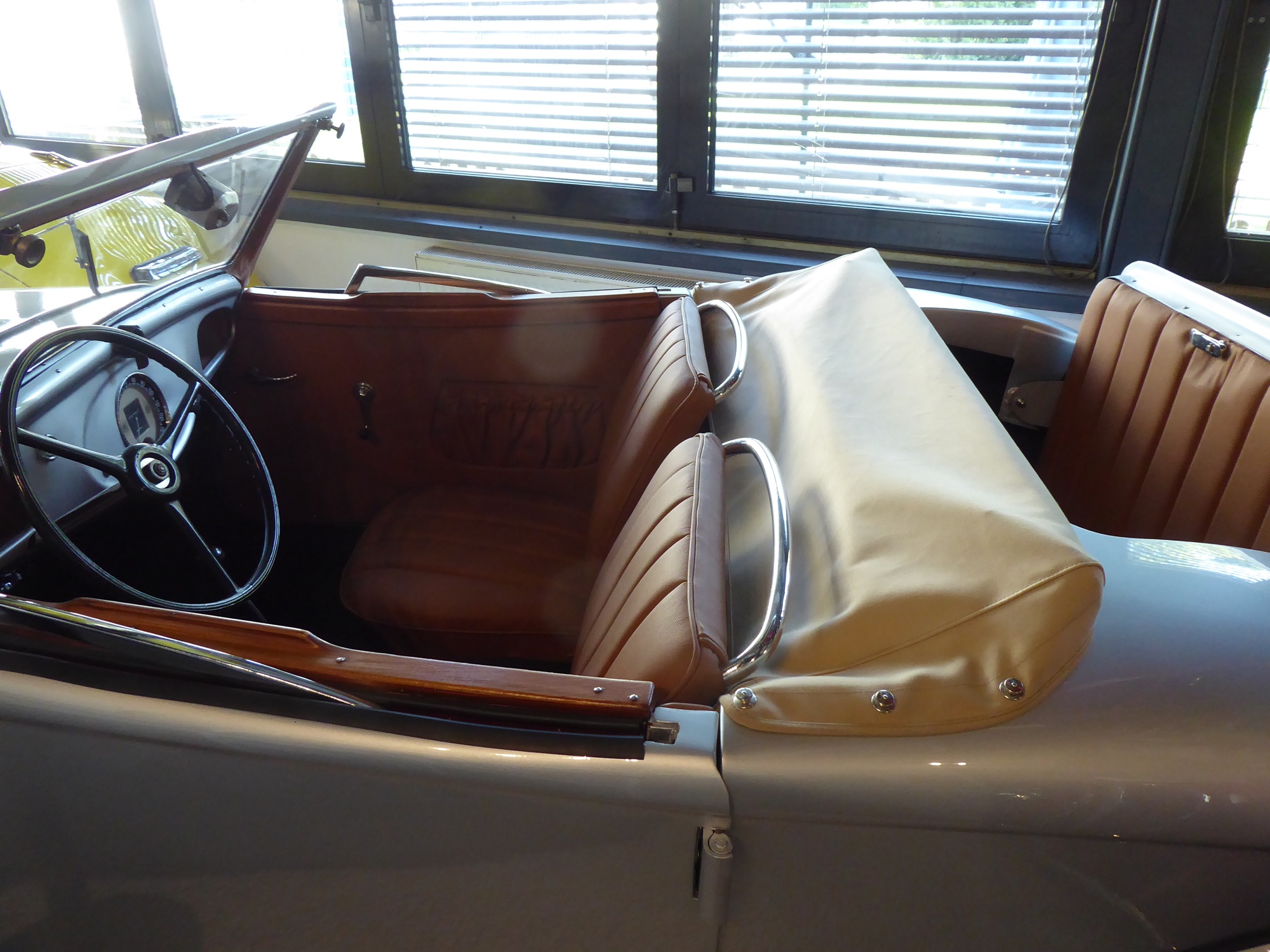
An open-topped car in the Skoda museum. (Jim Motavalli photo)

Even if you haven’t considered Slovakia—but you’re headed for Europe—by all means see if it can fit into your itinerary. The food is great, the lodging friendly and inexpensive, and the people—universally both very friendly and at least competent in English.

Oldtone Reincarnates at the Down County Jump Festival

SHEFFIELD, MASS. Those of us in the old-time country/swing jazz music scene have dearly missed the Oldtone Festival, which took place for eight glorious years in North Hillsdale, New York, at that magical corner where Connecticut, Massachusetts and New York come together. You don’t want to get emails like this back in February: “With heavy hearts we are announcing the closing of the Oldtone gates. It’s been an amazing run and the community we have built is nothing short of breathtaking. Without all of your support and love for the music and the farm, all of this could not have been possible.”

While other festivals feature the music, they don’t focus on it. Old Tone brought out some incredible artists seldom seen at mainstream events: JP Harris, the Downhill Strugglers, Nora Brown, Moonshine Holler, Roochie Toochie and the Ragtime Shepherd Kings, Dumpster Debbie, Tuba Skinny, the Bad Penny Pleasuremakers, Anna and Elizabeth, and many more. They all took the stage at Cool Whisper Farm.

Well, Oldtone is alive, at least in spirit. Kip Beacco (an Oldtone mainstay) and Matt Downing of the Lucky 5 (a fine swing band) teamed up with Alex Harvey of Shinbone Alley and the inestimably valuable Jalopy Theatre in Red Hook, Brooklyn to form the Down County Jump Festival, held September 30 at the Race Brook Lodge in Sheffield, Mass. There was 10 hours of music, with lunch and dinner breaks. It was described as a “pre-party” for the highly anticipated Brooklyn Folk Festival, which is November 10-12 at St. Ann’s Church.

Moonshine Holler kicked off the festivities. (Jim Motavalli photo)

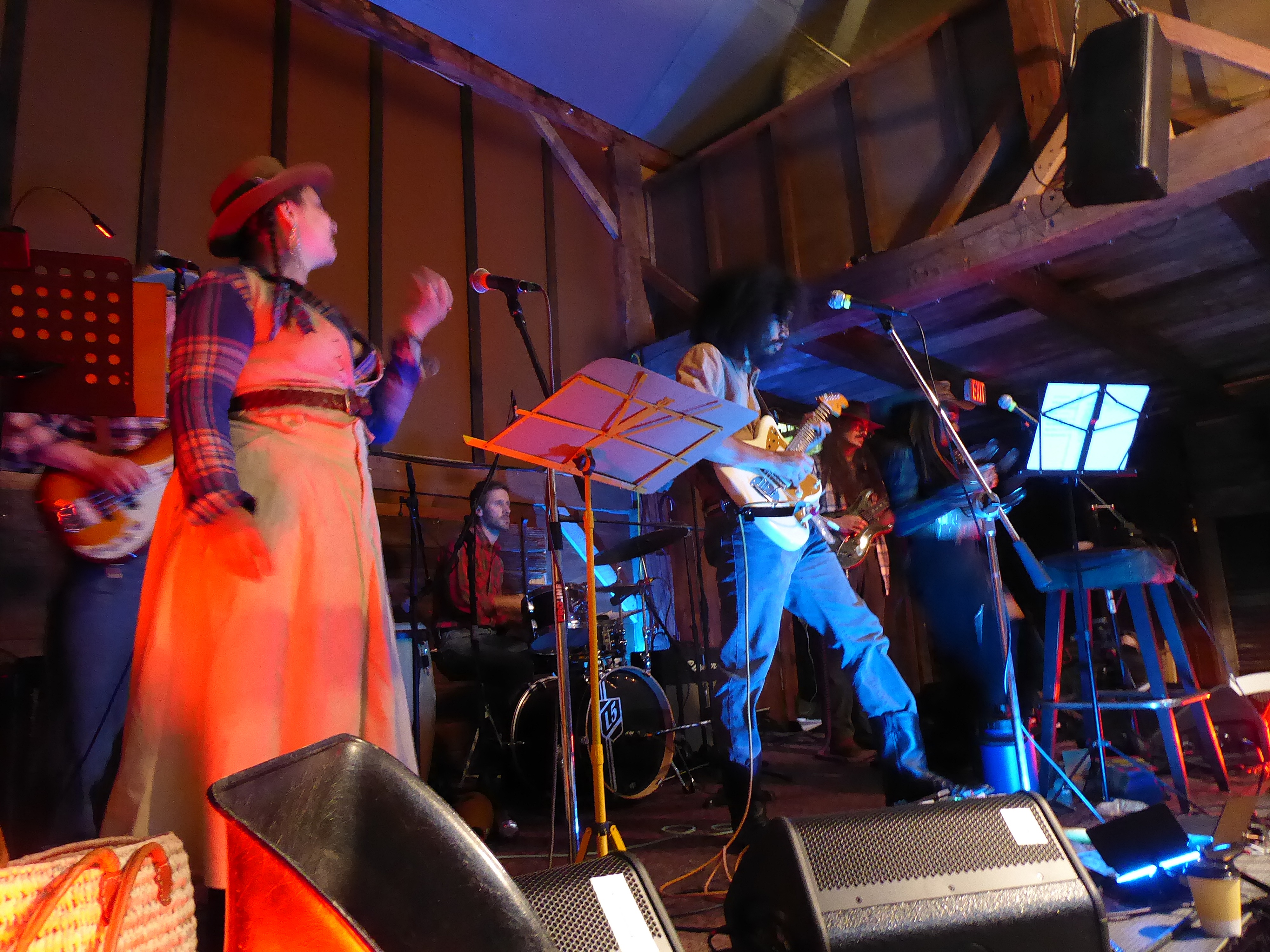
Many of the performers were at Oldtone at one time or another. The show opened with Moonshine Holler, an old-time trio featuring guitarist/singer Paula Bradley. With her late husband, Bill Dillof—an incredibly knowledgeable music historian, Bradley formed the group to celebrate some of the little-explored corners of old-time. That tradition continues. Bradley is now working with young musicians Pete Killeen (banjo) and Rafe Wolman (fiddle). The repertoire avoids cliches.

“What You Gonna Do with the Baby?” comes to us from the late 1920s singing of Grayson and Whitter, and Bradley said it didn’t work as a song for kids—because they were too worried about what happened to the tune’s namesake infant. It wasn’t harmed in the making of the song.

All three are fine musicians, and they recognize this music has to be performed with energy and passion—not like a dry academic exercise. The set proceeded through “Steeley Rag,” from the Red-Headed Fiddlers, a song from Moonshine Kate (daughter of the legendary Fiddlin’ John Carson), “You May Leave, but This will Bring you Back” by the Memphis Jug Band, “Stone Mountain Wobble” by the Scottsdale String Band from Georgia, and many more.

Shinbone Alley took us out to sea. (Jim Motavalli photo)

Shinbone Alley, Alex Harvey and Jordan Shapiro, dealt in old sea shanties. These venerable tunes have had moments in the sun, but not recently. Have you heard the long tale, “Doodle, Let Me Go”? Harvey talked about songs “traveling in the belly of the boats for decades.” Some dated to the 1600s. Evidently if you go to the bars of Cornwall, England, they’ll all be familiar with a number called “The Sweet Nightingale,” who sings in the valley below. Robert Bell’s 1846 Ancient Poems, Ballads and Songs of the Peasantry of England says the song “may be confidently assigned to the 17th century.” It was originally sung in the Cornish language.

“The Rosabella,” about taking a ride in a “deepwater ship with a deepwater crew” is relatively recent—from the 19th century. Shinbone Alley turned it into a sing-a-long. One song the group did, “The Saucy Sailor,” was once essayed by English folk-rock ensemble Steeleye Span, but most were heard for the first time—by me, at least. Sailors were well-traveled, of course, and Harvey pointed out that many were of mixed race, and were influenced by sources as diverse as Indian classical music and Polynesian sounds. Shapiro has a bluegrass group called Astrograss, and also played keyboards on the album World of Captain Beefheart—and toured with Beefheart guitarist Gary Lucas.

Fatboy Wilson and Old Viejo Bones work internationally. (Jim Motavalli photo)

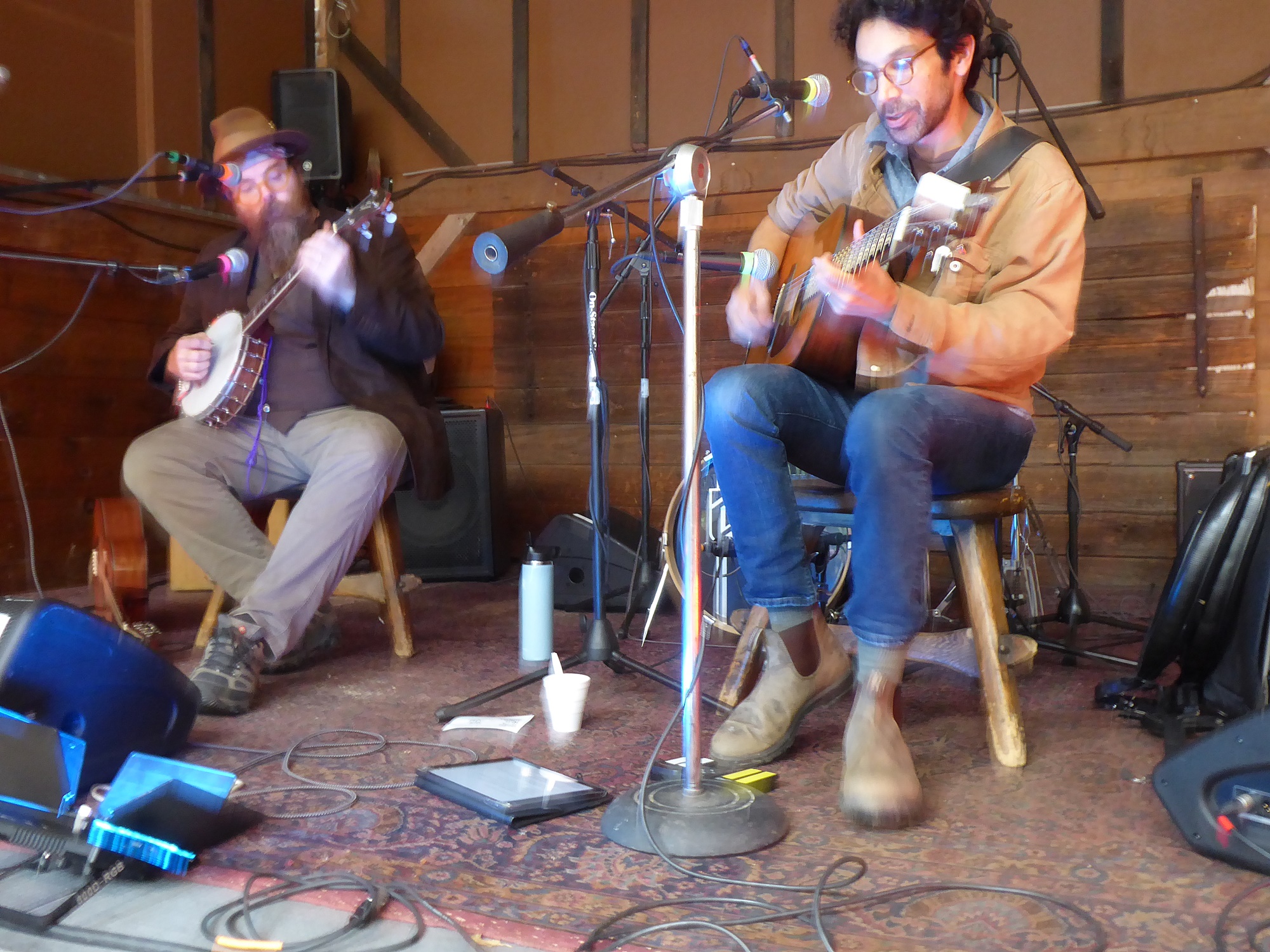
Fatboy Wilson and Old Viejo Bones is Samoa Wilson (niece of Jim Kweskin, and no fatboy) and Ernesto Gomez (who wasn’t that old). Together, they were magical, and occasionally in Spanish.

Wilson has a strong voice, and Gomez is an excellent guitarist, singer and harmonica player. “Hand Me Down My Walking Cane” and “Single Girl, Married Girl” are songs that uncle Jim could and would do. But “The New St. James Infirmary Blues” was a recent update featuring COVID 19.

The Lucky 5 swinging, sometimes in French. (Jim Motavalli photo)

The Lucky 5 is a swing band that loves Django Reinhart and, perhaps, his milieu. There’s a French accent to what they do, thanks to trombonist/vocalist Carolyn Dufraine. Her “Cou Cou” is a favorite. But all their tunes are very entertaining, including fiddler Jonathan Talbot’s “Red Spain.” Beacco is a fine singer and guitarist, and he writes original songs for the band, too. “Russian Lullaby” sounds exotic, but Irving Berlin wrote it. Beacco said Lucky’s version is via Argentinian guitarist Oscar Alemán. Here’s their “Me, Myself and I”:

Slowey and the Boats were a major discovery. What a fun group! It’s led by Isaac Stanford, a wildly red-haired virtuoso steel guitarist who likes it Hawaiian. For those who aren’t familiar, Hawaiian music was hugely popular in the U.S. around 1916, after a show called Bird of Paradise introduced it on the mainland. In 1916, recordings of Hawaiian music outsold everything else. Here are the Boats takin’ it cowboy style:

Slowey and the Boats led us down a steel guitar-driven memory hole. Remember the Hawaiian music craze? (Jim Motavalli photo)

Slowey’s repertoire features a lot of half-remembered music, such as “Ebb Tide,” which was a hit for Frank Chacksfield in 1953, but then everyone from Frank Sinatra to the Righteous Brothers recorded it. The sound was Martin Denny meets Bob Wills. The group’s baritone vocalist, Steve Stanislaw, was late but arrived for some cowboy songs such as “Back in the Saddle Again.” Such tunes are the focus of the group’s new album, and as Justin Poindexter and his group has shown, they adapt well to swing.

The Haughties rock it steady. (Jim Motavalli photo)

The Berkshires-based seven-piece Haughties is a contemporary reggae band with a fresh sound and two women up front.

Rose and the Bros brought the Cajun folk-rock sound. (Jim Motavalli photo)

Rose and the Bros from the Ithaca, New York area are one of Rosie Newton’s incarnations. She also has an old-time-type duo with Richie Stearns called Richie and Rosie. As Rose and the Bros, she rocks out with a Cajun flavor to her accordion and fiddle. They opened with Michael Hurley’s “Blue Driver,” as they frequently do.

They did a Julie Miller song, “Don’t Listen to the Wind,” and then started tearing through “Summer Breeze” by the band’s Paul Martin (who runs Sweet Land Farm in Trumansburg, N.Y., home of the Grassroots Festival, when he’s not with Rose and the Bros). But that’s when I had to leave. Oh well. And there was voodoo and Haitian chants from Tjovi Ginen and post-war New Orleans R&B from the Jackson Lynch band still coming up.

P.S. There was an intermission band, a young couple on guitar (him) and fiddle (her). I didn’t get their names, but he was really into Charlie Poole, and sounded like him, too. She sang a fine version of Townes Van Zandt’s “Delta Momma Blues.” Together, they sang “Don’t You Rock ‘Em, Daddy-O” which Lonnie Donegan recorded in ’56. The future of the music is safe with them.