It’s easy to slip into superlatives with the singer-songwriter Jenny Owen Youngs, who composes songs of insightful, sometimes dark, brilliance and clothes them in very accessible pop earworms.
“Fuck Was I” hit me on the head when I first heard it on a demo version of her Batten the Hatches album. This was just after she’d graduated from SUNY Purchase—where she’d recorded the album. She was then playing tiny coffeehouses (including one run by perceptive percussionist John Stuart in nearby Norwalk), but clearly destined for more. Given to wearing Girl Scout uniforms then, she was funny, quick, self-deprecating. And she appeared on my WPKN radio show and even went into the studio with me to record a version of “Drinking Song.”
Since then, Youngs’ music has been used on Weeds, Grey’s Anatomy, Nurse Jackie and BoJack Horseman, and she made four more fine albums. But maybe she’s best known for her podcast, Buffering the Vampire Slayer, running down, with Kristin Russo (her now former wife), every single episode (with Youngs’ accompanying original songs). She also did the X Files.
Youngs’ latest album is Avalanche on Yep Rock, released near the end of 2023. I saw her play a lot of it solo at the newly reopened Iron Horse in Northampton, Massachusetts on February 20. She was characteristically hilarious, when she wasn’t singing, beautifully, her gorgeous songs. Here’s a new classic, “Knife Went In”:
It’s interesting that all of these tested cars are either commodious SUVs or station wagons. Every one is a good winter car, while the Porsche and Miata hibernates in the garage. And note how many of them are hybrids or EVs. The old paradigm is shifting.
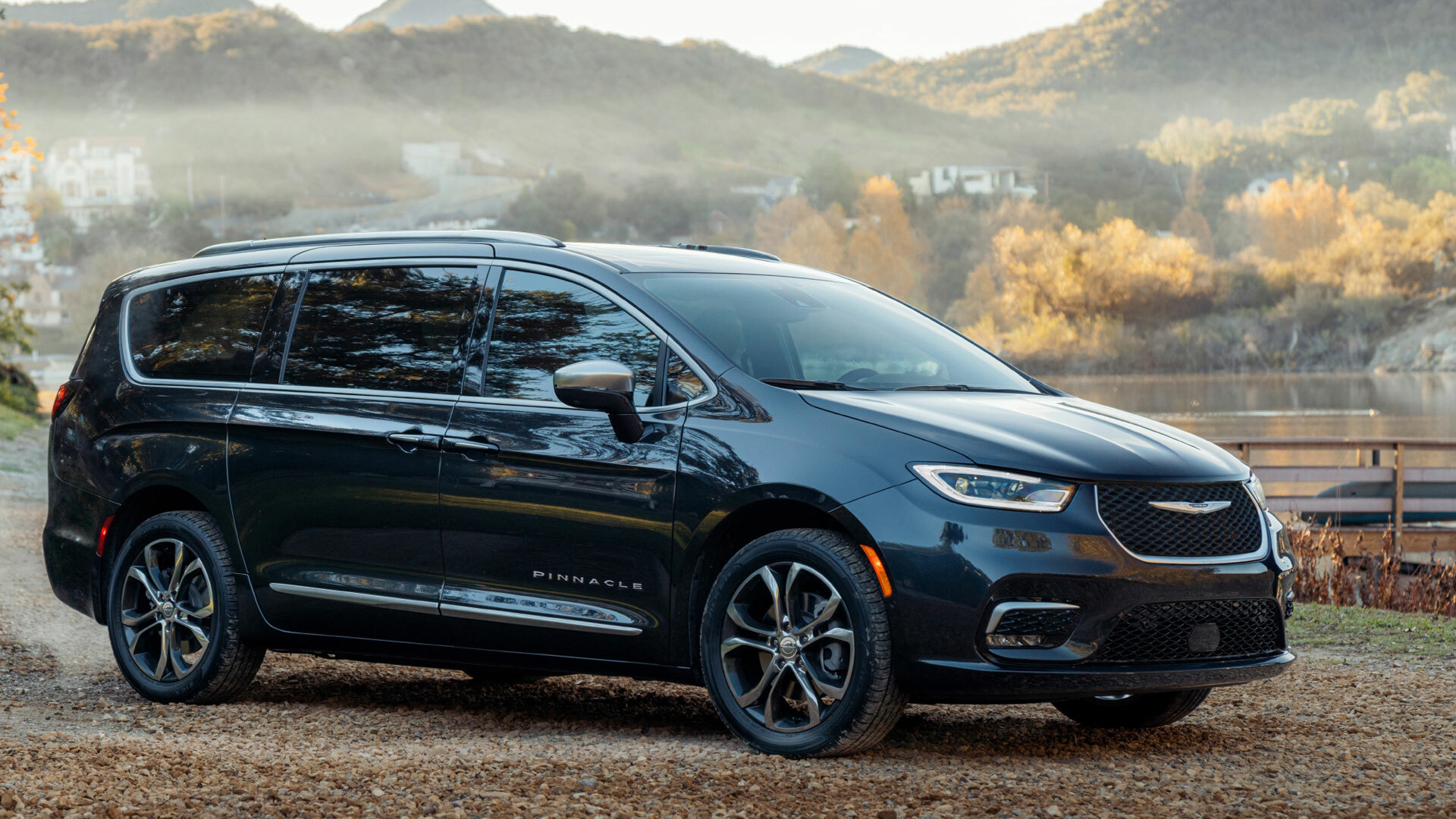
2024 Chrysler Pacifica Hybrid Pinnacle. I have a soft spot for this minivan (actually, for all minivans) and the Pacifica gets special kudos as the first hybrid of its kind. It’s no longer unique, because the very mainstream Toyota Sienna now only comes in a hybrid configuration, as does the Kia Carnival (see below). Unlike the Sienna and Carnival, however, the Pacifica plugs in, and gets 32 miles of EV travel before it has to revert to the gas engine.
The hybrid dispenses with the Stow ‘n Go third-row seats from the standard Pacifica, and that’s a loss. On the road under V-6 power, the Pacifica doesn’t feel all that refined, but then neither does the Toyota Prius. Entry and exit are easy, and the controls are familiar and easy to use. Legroom is good for six-footers.
The Pacifica is quiet under electric power, and rather noisy with the gas engine running. Overall, it’s a good choice if you want both a plug-in hybrid and three-row minivan convenience. The Pacifica came in at $61,685, which is hefty for a minivan. But it offers 30 mpg combined with just the gas engine, and a stellar 82 with the hybrid. It will take a while to pay back the premium price, but it’s still a good choice.
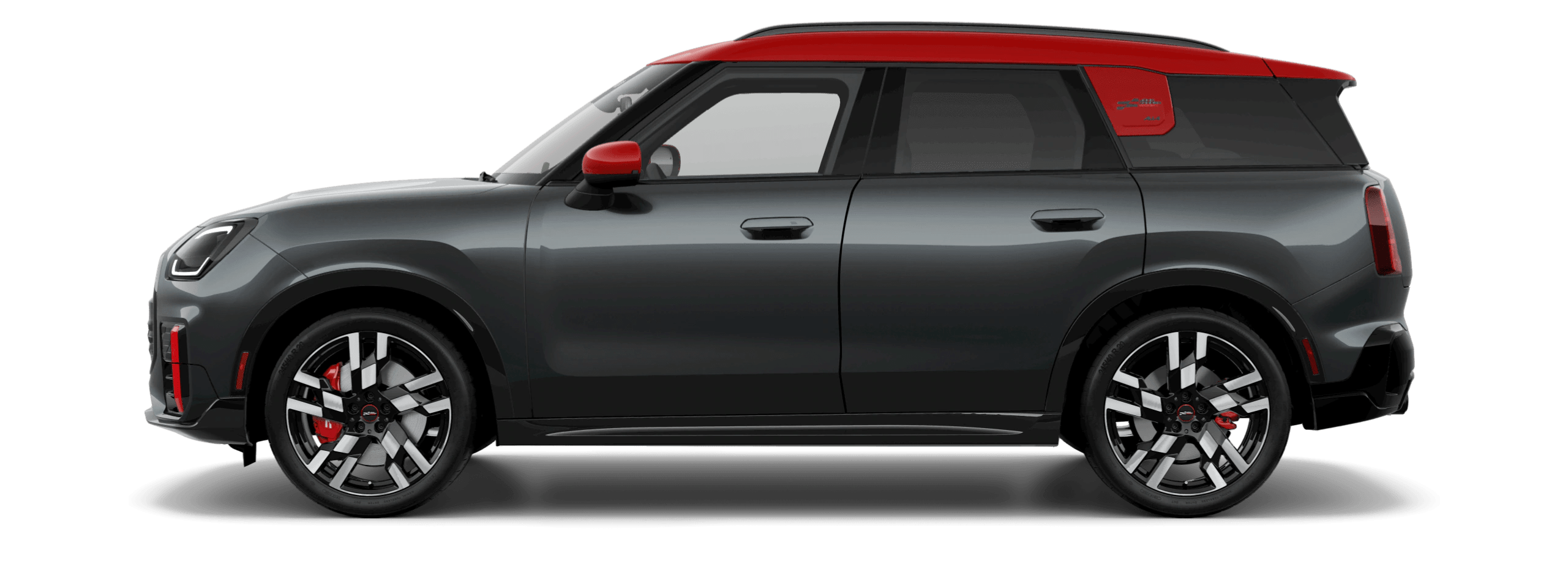
2025 Mini John Cooper Works (JCW) Countryman ALL4. The whole point of the Mini, when it was introduced in Great Britain circa 1959, was that it was cheap and cheerful. That year, you paid $1,340 for a 10-foot-long bare-bones automobile that, with an 848-cc engine, could deliver 40 mpg. Even with inflation, it was a car everyone could afford. Well, car prices have crept up and the new Countryman as tested was $51,995. That’s a big jump! To be fair, you can get into a new Mini quite a bit cheaper. The starting MSRP is $28,950.
That said, there’s a lot of car here. John Cooper was an early Mini tuner, and he’s done proud in this iteration. The JCW is on the platform of the BMW X1 M35i, and it offers all-wheel drive from a turbo four, an eight-speed double-clutch transmission. and 312 horsepower. Plus, it’s sort of a station wagon (another favorite format of mine) when they’re getting scarce. Driving the Mini is quite fun, even on the longer trip I undertook, and the interior is up to the Mini’s avant-garde standards—complete with center-mounted and colorfully lighted central display. The original Countryman offered woodie accents, and alas the retro touches don’t go quite that far in this incarnation.
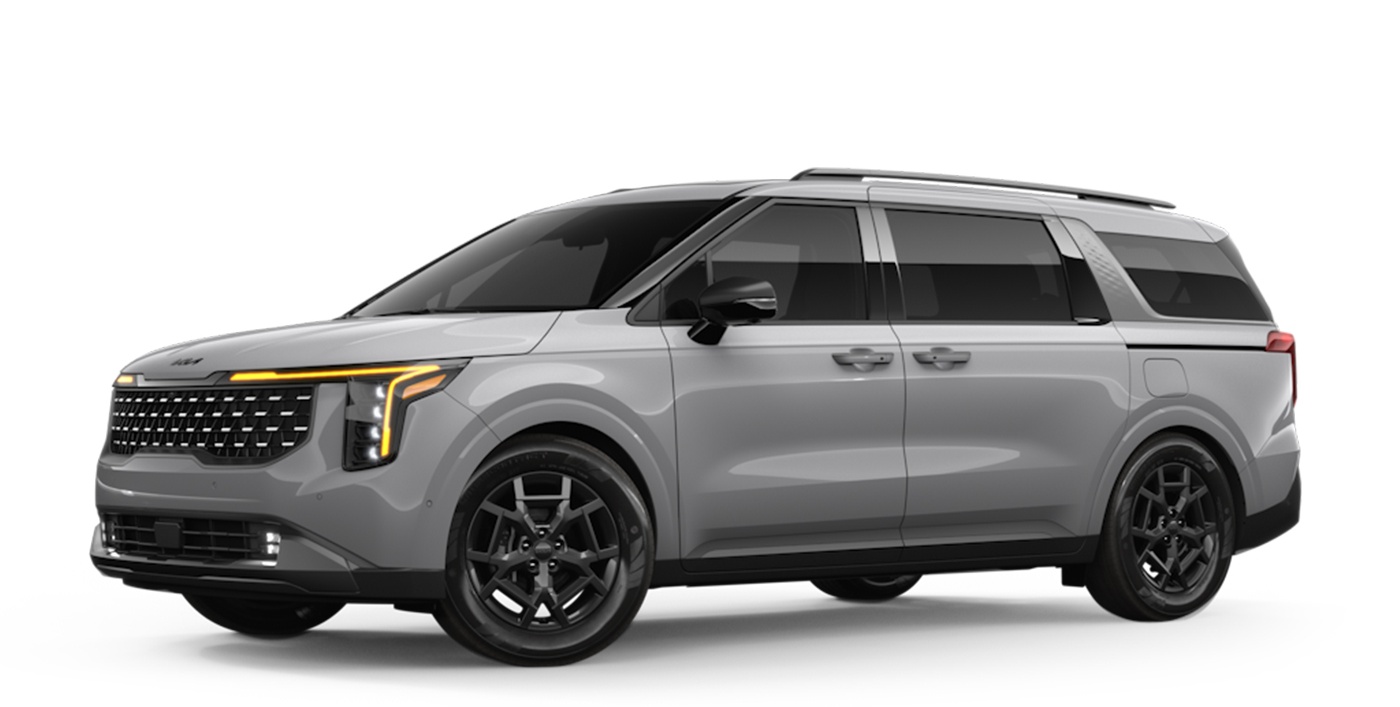
2025 Kia Carnival Hybrid SX Prestige. Kia has hopped into the hybrid minivan sweepstakes with a configuration that makes a lot of sense—a turbo 1.6-liter four, electric motor and six-speed automatic taking the place of the non-hybrid’s V-6 and eight-speed auto. There’s just the one motor, so no AWD version is offered—the Sienna has that.
Kia and Hyundai usually hit what they’re aiming at, and that’s definitely true here. It was a fine minivan to spend a week in, and it passed quite a few gas stations. The second-row reclines in a useful way, and kid-pleasing rear-seat electronics are offered. The Prestige version is at the top of the model lineup, and came in at $57,255. The price includes a truly comprehensive safety suite, as well as leather seats, Bose, a heated wheel and head-up display. Worth getting.
On-road performance was quite refined. The Carnival hybrid can deliver 242 horsepower, not far off the regular model. The choice of regenerative braking settings was appreciated.
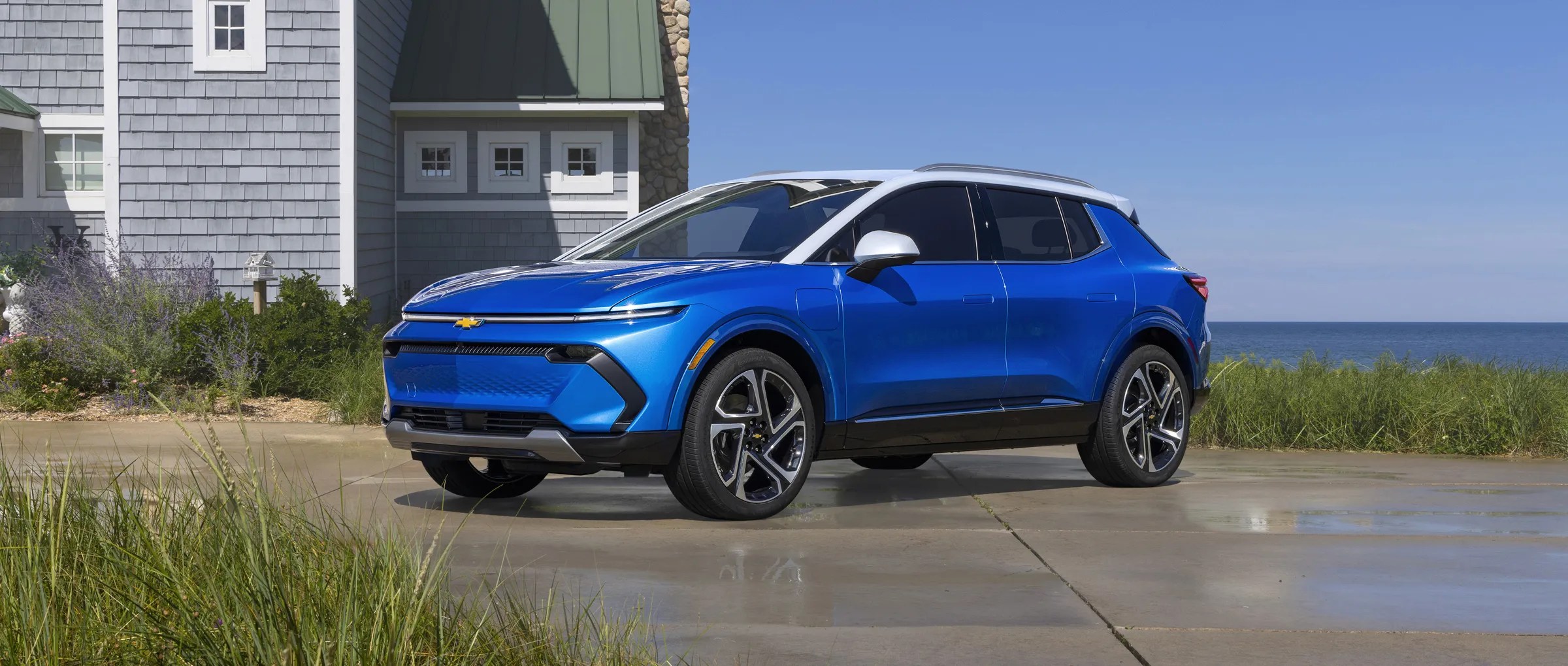
2025 Chevrolet Equinox EV LT. This electric Equinox seems right to me, not as a replacement for the soon-to-return Bolt, but as a companion to it in the EV lineup. GM has tended to electrify its larger models, including the Hummer and the Silverado, and the point eludes me. The Equinox is considerably cheaper (at $34,995 in tested form) than either of those, and considerably more fun to operate. It has a fresh and stylish design (without being overtly luxurious), and it’s exceptionally easy to pilot around town.
A local Chevy dealer told me he’s moving a good number of Equinoxes, but electric vehicles are still only about 10 percent of his sales. That needs to get better, but the narrative that EV transactions are plunging is way off—they’re just not rising as fast as they were.
The tester didn’t have a single option on it, but it had everything needed—even a bicycle alert as part of its safety package. The 17.7-inch screen was fine and clear, with a second 11-incher. The Equinox can fast charge at 150 kilowatts, and impressive 319-mile range. Frankly, I’d buy one—especially if it scores well in reliability testing.
2024 Range Rover P400 SE. These Range Rovers are as ubiquitous as white-tailed deer in the Connecticut suburbs, though don’t they at last bat an eye at a bottom line of $123,960? Admittedly, this tester had about $14,000 in options, and you could probably get by without glossy Sunset Gold paint ($8,450).
The issues I have with the Range Rover include a powerful thirst—just 20 mpg overall with the 395-horsepower turbocharged and supercharged three-liter six-cylinder engine—and odd ergonomics. The volume control on the dash isn’t even marked. The 400 SE didn’t feel particularly fast, and it’s far from agile, but with 406 pound-feet of torque it can definitely pull up stumps. The saving grace of this eternal British cruiser (with styling only tastefully updated since its debut in 1970) is that it’s a very comfortable, relatively quite and cosseting ride. Long trips won’t tire you out. You’ll arrive refreshed, at least until the fuel bills arrive.
Next up is a car I’ve been really dying to drive, a 2025 Cadillac Lyriq Sport AWD. And Volkswagen is promising me an electric ID.Buzz, the Microbus ancestor, another one I’ve eagerly anticipated.
Florida is becoming quite the vintage car state, what with three major concours events (all within the next few weeks), the Concours Club with its own private race track, and a trio of luxury Miami apartment towers involving name-brand automakers with storied histories—Bentley, Aston Martin and Porsche. All three come with built-in garages.
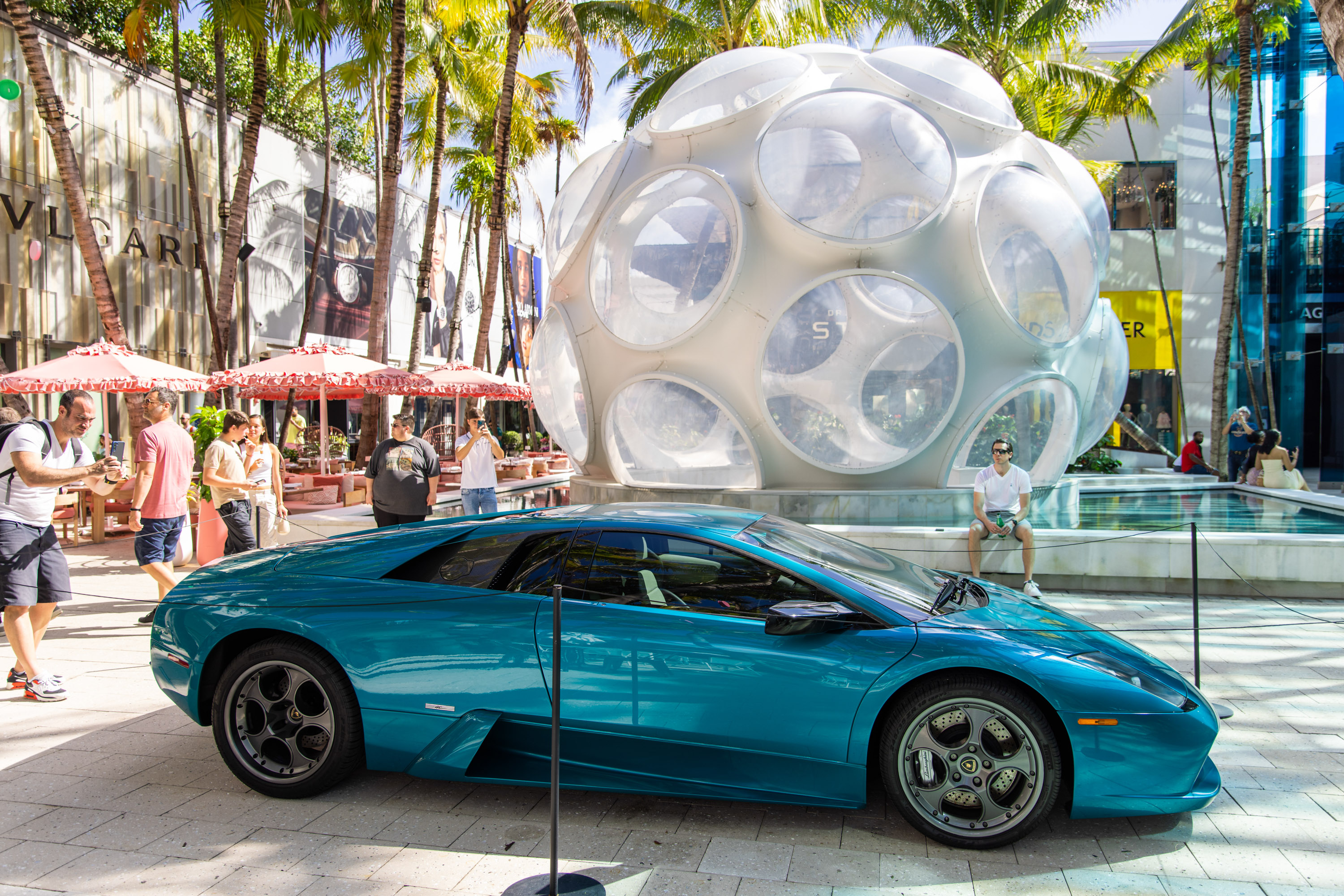
Of the concours events, first up is the eighth annual Miami Concours, which takes place Sunday, February 16 from 11 a.m. to 5 p.m. on the streets of the city’s famous Design District, with a full schedule of events throughout that weekend. Well over 100 cars will be arranged on the three streets (and six blocks) of the Concours, with another 100 being shown by local clubs, including the Porsche and Ferrari marques.
John Temerian is a co-founder of the Concours and also CEO of Curated, a high-end Miami dealership that specializes in low-production European cars from the 1970s through the early 2000s. “This year is very exciting,” he said. “We’re doing something unparalleled in the automotive world—bringing together the world’s fastest cars, including the McLaren F1, the RUF Yellowbird Porsche, the Bugatti Chiron Super Sport, the Jaguar XJ220, the Ferrari Daytona and the Lamborghini Countach.”
This year, via a new arrangement, car exhibitors, VIPs and paying guests will be able to come off the streets and relax at the Club at the Moore, in a landmark Design District building. The VIP ticket also includes reserved parking, a guided tour of Craig Robins’ art collection, and a private shopping experience. But the public is also invited free to walk the red carpet.
“We have a great relationship with the Design District,” said Brett David, a Concours partner who is also CEO of Prestige Imports Motor Group. “There are 10 restaurants on our campus, three of them Michelin-starred, and they sell out. There are elements of luxury, fashion, art, set against these iconic two- and three-story buildings. You become part of the show.” There’s no auction, but Temerian said one might be added in coming years.
Among the cars making their debut at the Miami Concours is the appropriate-for-south-Florida 2025 Overfinch Velocity Edition, based on the Range Rover. The car (above) offers carbon-fiber bodywork, special Helix wheels, Aurora seats with leather accents throughout the cabin, and an optional performance upgrade that boosts output of the 4.4-liter V-8 engine from 530 to 620 horsepower.
The second annual MODAMiami is March 1 and 2 at the city’s Biltmore Hotel (above), with some of the same local players as the Concours, but overseen by big player RM Sotheby’s, which holds its auction February 28. The auction house’s Florida base was Amelia Island until that event’s owner, classic insurer Hagerty, launched its own Broad Arrow sale. Last year, MODA and Amelia Island’s events were on the same day, but that logistical nightmare was avoided for 2025. The cars are arrayed on the hotel’s golf course, allowing viewers to get up close and personal.
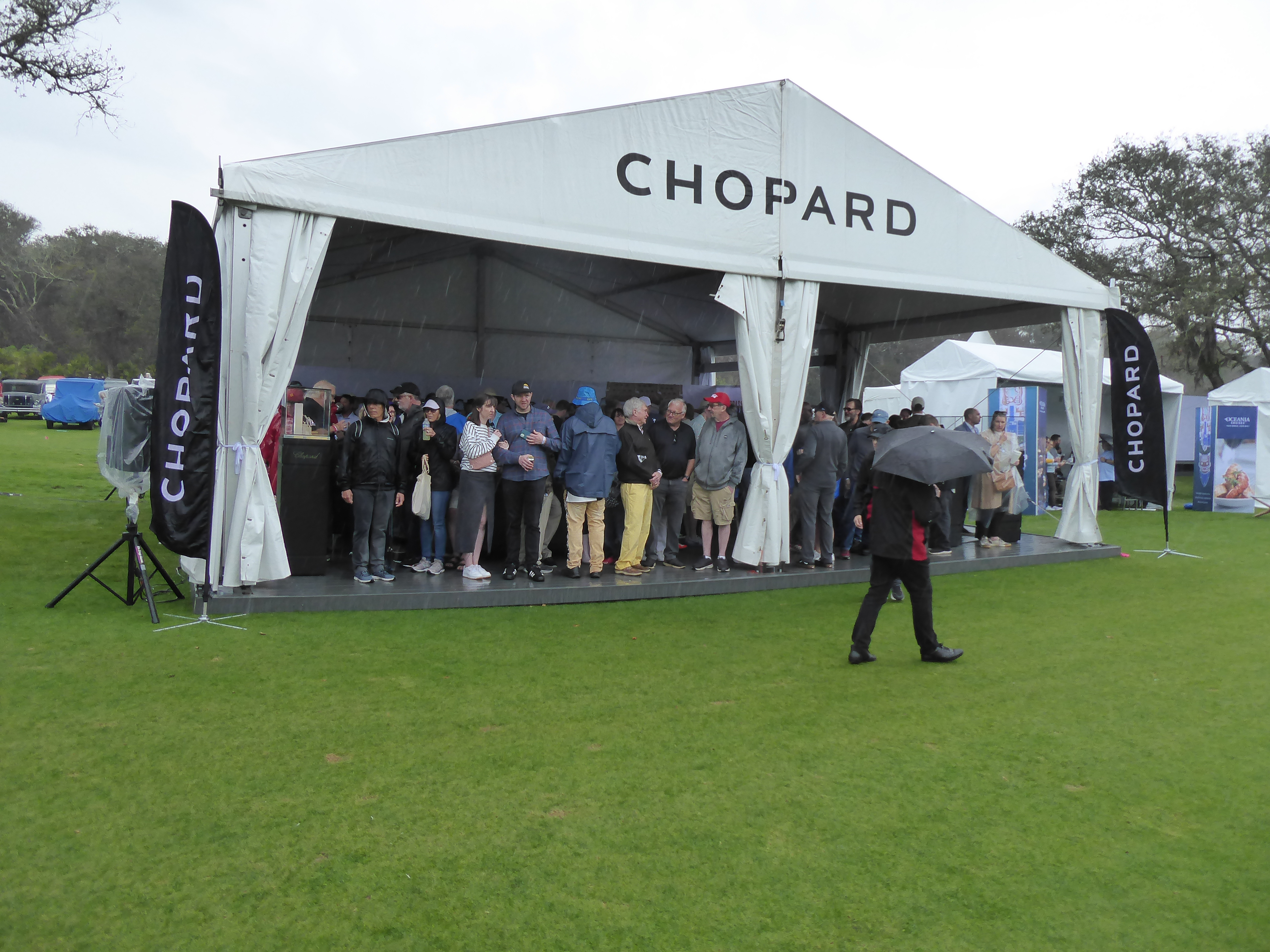
The Amelia Island Concours this year is March 6 to 9. “We’re excited for our 30th year,” said Matt Orendac, vice chairman of the Concours Group. “Bill Warner founded the event in 1996, and since then it’s been the racer’s concours.” See below for what happens when it rains.
The show field, featuring 160 cars, is being somewhat rearranged for 2025, and there is also a new event, Reverie on March 6 in the host Ritz-Carlton ballroom, which promises to pair cars with an open bar and gourmet food stations.
This year’s honoree is driver Helio Castroneves (above), four-time winner of the Indianapolis 500, three-time winner of the 24 hours of Daytona, and one-time winner of Dancing with the Stars. On a Zoom from Brazil, Castroneves said, “My dad got bitten by the car bug, and had a small race team here in Brazil. I didn’t want to be a team owner—I just wanted to drive the cars. My dad is my hero. His big lesson was always work harder than the next guy.”
Castroneves said he “learned more from my losses than from my wins. Because of your losses, you come back and do it again.”
There’s a road tour around the island on Friday morning, March 7, and the public is invited to see the cars parked for lunch in downtown Fernandina Beach. Hagerty will also provide rides in classics from its own collection. A seminar that afternoon, hosted by former NASCAR crew chief Ray Evernham, focuses on motor sports announcers.
The Broad Arrow auction is that night, and Ramsey Potts, senior car specialist, promises 167 cars, including a star 1959 Ferrari 250 GT Spider estimated at $10 to $14 million. A 1954 Jaguar D-Type works competition car, OKV 2, driven by Stirling Moss (the first Amelia honoree) to 196 mph at Le Mans is expected to garner $6.5 to $8.5 million. A Euro-spec 1987 Lamborghini Countach 5000 QV is a relative bargain at $626,000 to $675,000, and a ex-Jimmy Buffett 1981 Porsche 911SC is a modest $75,000 to $100,000.
Gooding, now owned by Christie’s, once again has its auction at the Omni Hotel. A 1955 Mercedes-Benz 300SL “Gullwing” is expected to bring $1.3 to $1.5 million, and (below) a rare and striking 1935 Avions Voisin C25 Aérodyne $2 to $2.5 million. Bonhams, a fixture near the airport, is absent this year.
The auction will be followed by a screening of Back on Track, a documentary series focused on actor turned racer Patrick Dempsey and his partner Patrick Long as they compete in the Porsche Endurance Challenge North America. The Saturday seminar, also hosted by Evernham, features the return of past driver-honorees, including David Hobbs (2009), Derek Bell (2007), Lyn St. James (2021), Chip Ganassi (2022) and Bobby Rahal (2011).
And then there’s the Sunday big concours, which this year features 50 years of the Porsche Turbo, Sebring Corvettes, pre-war classics, IROC racers and Ferrari coach-built cars.
All in all, it might be worth traveling to Florida and parking yourself there for a while, getting up from your beach chair only long enough to attend all three classic car events.
As winter sets in, features like heated seats, steering wheels and mirrors matter more, as well as traction and performance in snow. So, here’s a few reviews keeping the chilly scenes of winter—snow, ice, slush—in mind.
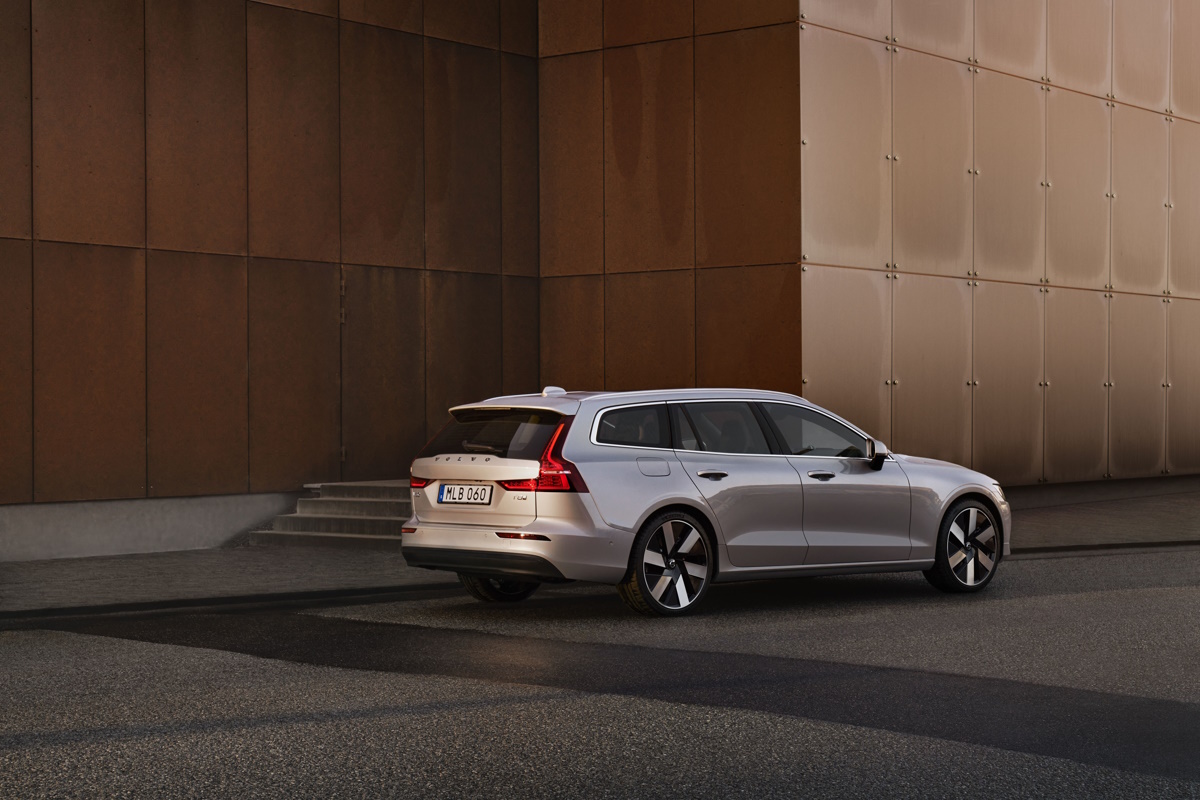
2025 Volvo V60 T8 E-AWD Polestar. I’ve never had a Swedish car that lacked a killer heater, and if you’ve ever been to northern Scandinavia, you know why. The name of this car is a bit confusing. Polestar is one of Geely’s electric brands, isn’t it? Yes, that’s true but before that it was a Swedish tuning shop, with racing experience, and it breathes on Volvos now as AMG does for Mercedes-Benz and M for BMWs.
The V60 is that increasing rarity—an actual station wagon, not an SUV. This version is a plug-in hybrid, with a 14.9-kilowatt-hour battery, up from 9.1. The electric motor has also been upgraded, and now produces 143 horsepower. The two-liter four is turbocharged and now produces 312 horsepower. The car is meaty, and can cruise 44 miles on battery power alone. It’s brilliant in the cold (even the rear seat is heated), with a fast-working heater and defroster, as well as excellent handling. Who needs an SUV?
As tested, this fine Volvo was $72,835, a high price that is a definite barrier for some buyers. Also tested was the 2025 Volvo S60 Recharge eAWD Ultimate Dark. And it’s another rarity, a sedan! The American fascination with SUVs in all their vivid reality still escapes me, so if you’re also resistant check out this one. Unfortunately, this is the last year for the compact S60 sport sedan. You’re much better off choosing the S60 as a plug-in hybrid, because its combination of turbo four and electric motor produces 455 horsepower, compared to the entry model’s 247. Most of what I said about the V60 applies, and the bottom line as tested was $62,545. The two models have an identical rating of 74 MPGe with the hybrid drive, and 31 mpg overall with just the gas engine. Not bad, considering all the safety equipment aboard.
2025 Genesis GV70 3.5T AWD Sport Prestige. Genesis is currently both my favorite luxury brand, and it’s my top electric choice, too. The 70, 80 and 90 are available as SUVs and sedans, and the GV70 tested is one of the former. This was a splendid winter car, given a 10 out of 10 by Car and Driver, and it sports a peerless luxury interior with every possible amenity. The tester had two big packages, sport advanced and sport prestige, which added $6,400 and $3,200 to the price respectively, but both are worth considering as they include many safety features. It might have been a good idea to include all the safety stuff in the same package. The price as tested was a not-inconsiderable $69,900.
The Genesis comes with a 375-horsepower twin-turbo V-6, capable of sub-five-second zero to 60 times—but it’s also a family luxury SUV. Choose a lesser version of the GV70 and you get a worth-considering turbo 2.5-liter four.
2025 Toyota Sequoia 1794 Hybrid. This one got a real winter workout, all the way from Connecticut to Chambersburg, Pennsylvania. I would have trouble buying a vehicle that gets only 20 mpg combined (and 17.9 average on my trip), but with that said I can confirm that this is a very comfortable perch for a long seasonal drive. I was at the wheel about nine hours and emerged fully refreshed. The seats, seating position and legroom were all ideal, as was the JBL stereo. I was also able to haul a 47-inch-wide 1950s German console radio—complete with liquor cabinet—in the rear, seats folded. Unfortunately, the third row doesn’t fold flat, but it still provided a cavernous load area. The running boards that zip out when the car is unlocked are handy, because the vehicle has a high center of gravity.
The Sequoia SUV is big in every dimension, including price, $84,480. And that’s why, even with hybrid drive, it still uses plenty of gasoline—I had to fill up twice. The power comes from an I-FORCE MAX twin-turbo V-6 with electric motor/generator (437 horsepower combined), driving through a 10-speed auto with sequential shift. The Sequoia was actually better handling than anything this large deserves to be. I’m sure, with four-wheel drive and this configuration, its excellent for towing.
Also from Toyota was a 2024 Toyota Tacoma Trailhunter Double Cab. I didn’t get to spend too much time in this $64,944 truck, but I moved some things with it and realized that the Japanese now build better American trucks, in many cases, than actual Americans do. They tend to be more reliable and better built, and there aren’t many compromises. This Toyota, too, uses an I-FORCE MAX hybrid drivetrain, and again the results aren’t stellar—23 mpg overall.
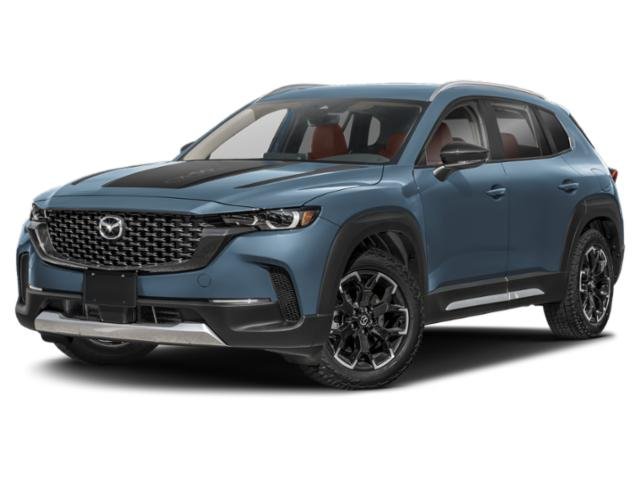
2025 Mazda CX-50 Turbo Meridian Edition. As the owner of a Miata, I know how well Mazdas handle, even when they’re compact crossovers. The CX-50 ($42,670 as tested) is the only car on this list whose price doesn’t intimidate. I could actually buy one of these!
Mazda doesn’t have a handle on luxury the way in quite the same way Genesis does, but the buyer who opts for the Meridian CX-50 gets a 256-horsepower turbo four (the base non-turbo engine produces only 187 hp) and 3,500-pound towing. The package also includes the nice leather heated seats and a sunroof. For 2025, all CX-50s get the larger 10.3-inch infotainment screen and Amazon’s Alexa voice assistance is now included across the boards. “Alexa, which car should I buy? Hmmm, maybe a Mazda?
There’s a hybrid version of the CX-50, with a 176-horsepower 2.5-liter four, CVT transmission, all-wheel drive, and a stellar 39 mpg city and 37 highway. The new entry is the result of a collaboration with Toyota, and it shares the RAV-4’s powertrain. The hybrid starts at just $33,970, so it’s definitely worthy of consideration.













 Territorial Imperatives