
As winter sets in, features like heated seats, steering wheels and mirrors matter more, as well as traction and performance in snow. So, here’s a few reviews keeping the chilly scenes of winter—snow, ice, slush—in mind.
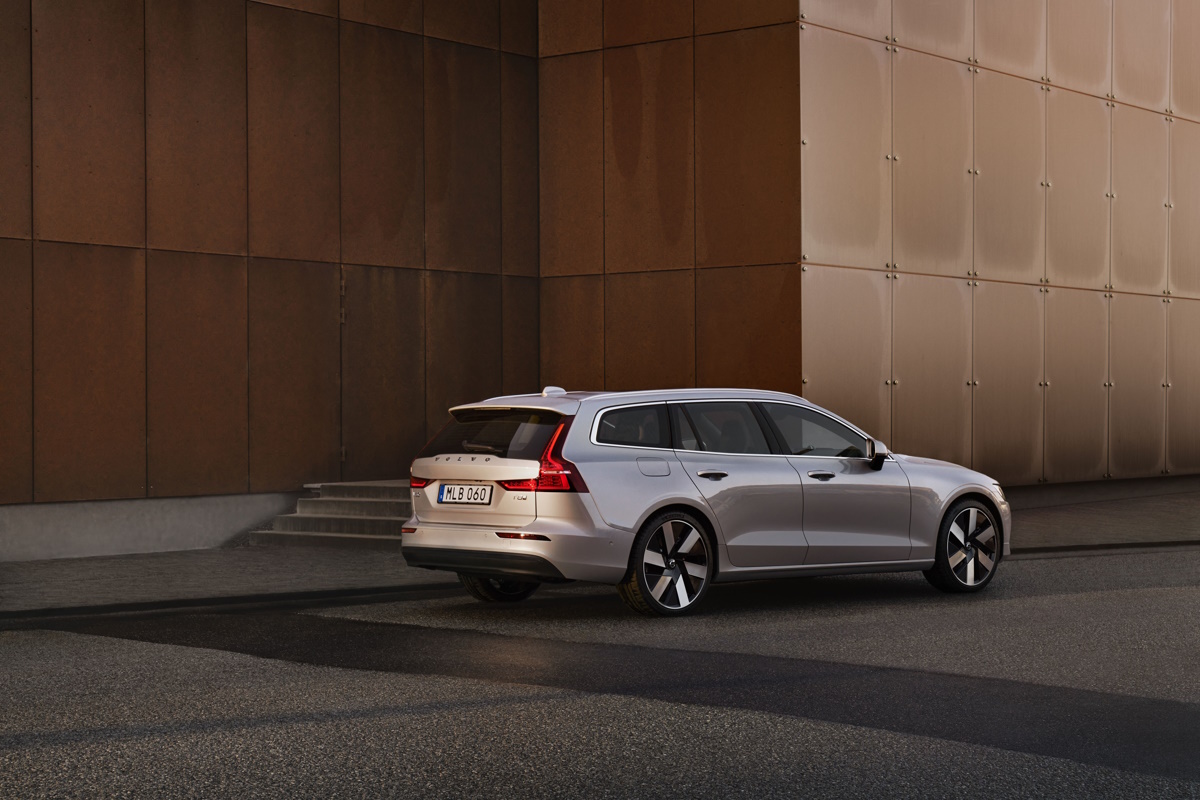
2025 Volvo V60 T8 E-AWD Polestar. I’ve never had a Swedish car that lacked a killer heater, and if you’ve ever been to northern Scandinavia, you know why. The name of this car is a bit confusing. Polestar is one of Geely’s electric brands, isn’t it? Yes, that’s true but before that it was a Swedish tuning shop, with racing experience, and it breathes on Volvos now as AMG does for Mercedes-Benz and M for BMWs.
The V60 is that increasing rarity—an actual station wagon, not an SUV. This version is a plug-in hybrid, with a 14.9-kilowatt-hour battery, up from 9.1. The electric motor has also been upgraded, and now produces 143 horsepower. The two-liter four is turbocharged and now produces 312 horsepower. The car is meaty, and can cruise 44 miles on battery power alone. It’s brilliant in the cold (even the rear seat is heated), with a fast-working heater and defroster, as well as excellent handling. Who needs an SUV?
As tested, this fine Volvo was $72,835, a high price that is a definite barrier for some buyers. Also tested was the 2025 Volvo S60 Recharge eAWD Ultimate Dark. And it’s another rarity, a sedan! The American fascination with SUVs in all their vivid reality still escapes me, so if you’re also resistant check out this one. Unfortunately, this is the last year for the compact S60 sport sedan. You’re much better off choosing the S60 as a plug-in hybrid, because its combination of turbo four and electric motor produces 455 horsepower, compared to the entry model’s 247. Most of what I said about the V60 applies, and the bottom line as tested was $62,545. The two models have an identical rating of 74 MPGe with the hybrid drive, and 31 mpg overall with just the gas engine. Not bad, considering all the safety equipment aboard.

2025 Genesis GV70 3.5T AWD Sport Prestige. Genesis is currently both my favorite luxury brand, and it’s my top electric choice, too. The 70, 80 and 90 are available as SUVs and sedans, and the GV70 tested is one of the former. This was a splendid winter car, given a 10 out of 10 by Car and Driver, and it sports a peerless luxury interior with every possible amenity. The tester had two big packages, sport advanced and sport prestige, which added $6,400 and $3,200 to the price respectively, but both are worth considering as they include many safety features. It might have been a good idea to include all the safety stuff in the same package. The price as tested was a not-inconsiderable $69,900.
The Genesis comes with a 375-horsepower twin-turbo V-6, capable of sub-five-second zero to 60 times—but it’s also a family luxury SUV. Choose a lesser version of the GV70 and you get a worth-considering turbo 2.5-liter four.

2025 Toyota Sequoia 1794 Hybrid. This one got a real winter workout, all the way from Connecticut to Chambersburg, Pennsylvania. I would have trouble buying a vehicle that gets only 20 mpg combined (and 17.9 average on my trip), but with that said I can confirm that this is a very comfortable perch for a long seasonal drive. I was at the wheel about nine hours and emerged fully refreshed. The seats, seating position and legroom were all ideal, as was the JBL stereo. I was also able to haul a 47-inch-wide 1950s German console radio—complete with liquor cabinet—in the rear, seats folded. Unfortunately, the third row doesn’t fold flat, but it still provided a cavernous load area. The running boards that zip out when the car is unlocked are handy, because the vehicle has a high center of gravity.
The Sequoia SUV is big in every dimension, including price, $84,480. And that’s why, even with hybrid drive, it still uses plenty of gasoline—I had to fill up twice. The power comes from an I-FORCE MAX twin-turbo V-6 with electric motor/generator (437 horsepower combined), driving through a 10-speed auto with sequential shift. The Sequoia was actually better handling than anything this large deserves to be. I’m sure, with four-wheel drive and this configuration, its excellent for towing.
Also from Toyota was a 2024 Toyota Tacoma Trailhunter Double Cab. I didn’t get to spend too much time in this $64,944 truck, but I moved some things with it and realized that the Japanese now build better American trucks, in many cases, than actual Americans do. They tend to be more reliable and better built, and there aren’t many compromises. This Toyota, too, uses an I-FORCE MAX hybrid drivetrain, and again the results aren’t stellar—23 mpg overall.
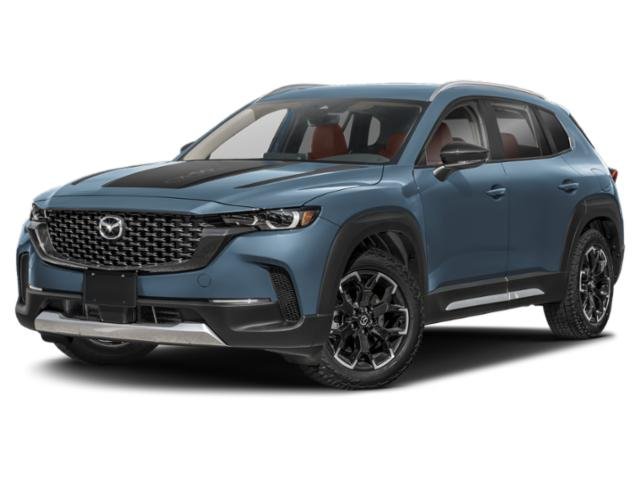
2025 Mazda CX-50 Turbo Meridian Edition. As the owner of a Miata, I know how well Mazdas handle, even when they’re compact crossovers. The CX-50 ($42,670 as tested) is the only car on this list whose price doesn’t intimidate. I could actually buy one of these!
Mazda doesn’t have a handle on luxury the way in quite the same way Genesis does, but the buyer who opts for the Meridian CX-50 gets a 256-horsepower turbo four (the base non-turbo engine produces only 187 hp) and 3,500-pound towing. The package also includes the nice leather heated seats and a sunroof. For 2025, all CX-50s get the larger 10.3-inch infotainment screen and Amazon’s Alexa voice assistance is now included across the boards. “Alexa, which car should I buy? Hmmm, maybe a Mazda?
There’s a hybrid version of the CX-50, with a 176-horsepower 2.5-liter four, CVT transmission, all-wheel drive, and a stellar 39 mpg city and 37 highway. The new entry is the result of a collaboration with Toyota, and it shares the RAV-4’s powertrain. The hybrid starts at just $33,970, so it’s definitely worthy of consideration.
 Territorial Imperatives
Hi Jim. is that a typo? “44 miles on battery power alone”?