
As you know, I have the rare privilege of being able to test new cars for one-week periods, and there’s something unique and interesting about each of them. The boxy SUV shape doesn’t vary all that much, so don’t expect much on styling, but I’m still getting sedans in 2026. So here is the current crop, with a focus on special packages and what they do to the bottom line. I’m not making this up, there are five “Prestige” cars on my recent list. Since you pay for upper-trim models, is the extra outlay worth it? Think long and hard about this, because the average transaction price for a new car has climbed to near $50,000.
Let’s start with the sedans:
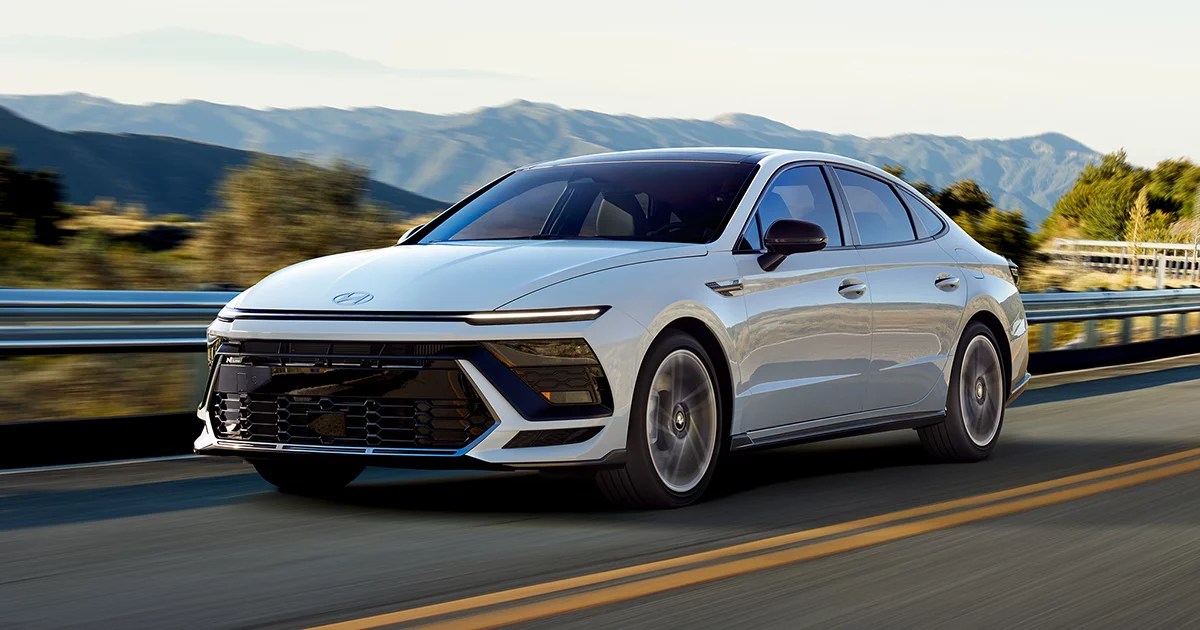
2025 Hyundai Sonata N Line. The more sober money would probably be on the hybrid version of the Sonata, which offers a Prius-like 50/54 miles per gallon city/highway. The N Line’s rating is much lower, 23/33. What it offers instead of saving money at the pump is a powerful 2.5-liter turbocharged inline four-cylinder engine generating 290 horsepower and 311 pound-feet of torque. Coupled to an eight-speed dual-clutch automatic transmission, a 5.3-second zero to 60 time is possible. Just spitballing here, but this should allow you to get to the local gas station/convenience store for a quart of milk five to 10 seconds quicker. Sure, I realize you will have a bit more fun, but my father told me, “A car is to get you from point A to point B.” The N Line, priced at $36,745, is also about $4,000 more than the hybrid.
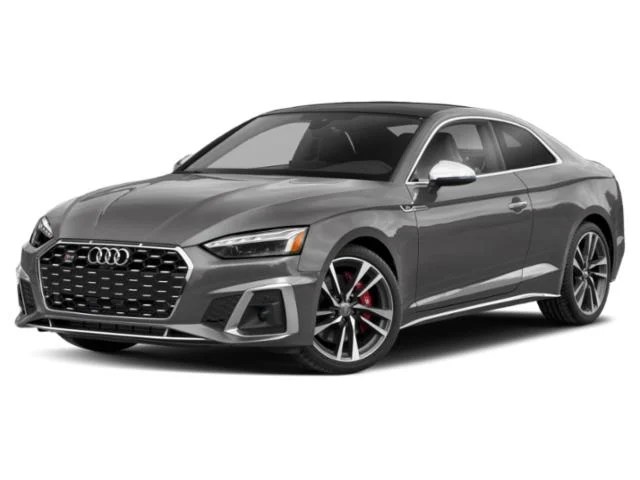
2025 Audi S5 Coupe Prestige. The A5 and S5 sister cars are true state-of-the-art German performance cars, with the latter offering a turbo three-liter V-6 that produces 362 horsepower and a seven-speed dual-clutch transmission with standard AWD. They don’t give away cars like this—the 2025 S5 starts at $63,995, and the Prestige package on the test car adds $7,750 but adds a huge number of features you’ll probably want, from adaptive cruise to B&O stereo and Nappa leather seats.
In America today, the number of people who can afford $70,000 cars is actually increasing dramatically (as is the number of billionaires), but their upper ranks are offset by the much larger number whose declining net worth wouldn’t pay for its spare tire. The have-not army is growing much faster than the elites at the top. Audi’s North American for 2025 sales were down 12.2 percent in North America. Audi’s strength—you may not have heard—is in no-longer-in-fashion EVs. Sales globally were up 36 percent to more than 223,000, fueled by cars like new A6 e-tron and Q6 e-tron. Electric vehicles sales globally continue to climb.
CES this year was focused on AI and more digital in-car assistance, and Audi just announced some enhancements for the 2026 A5 that include more functionality in the steering wheel, an optional integrated dashcam, “expanded driver assistance” and parking assist features, and upgraded voice control.
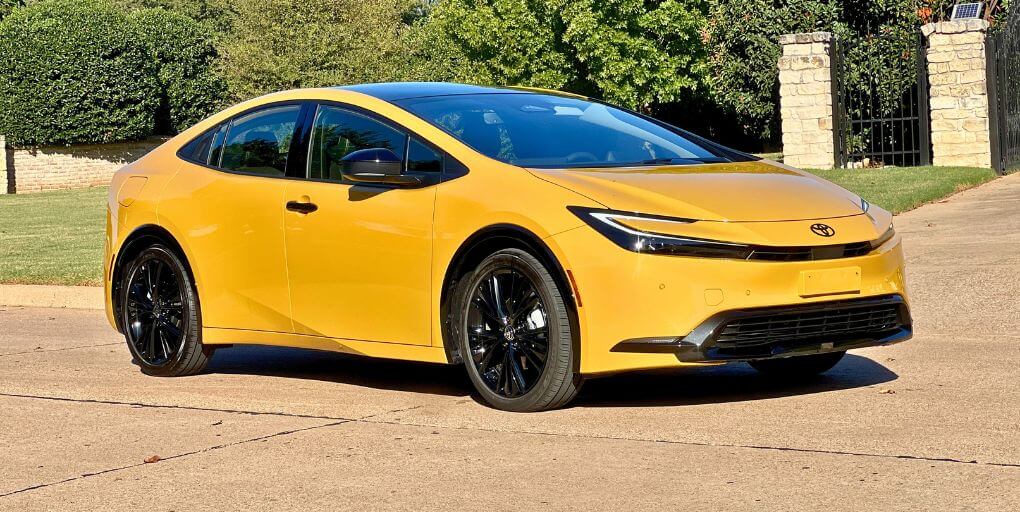
2026 Toyota Prius Nightshade Plug-In Hybrid. What’s a Nightshade, you ask? It’s a trim package adding blackout trim on wheels and badges, carbon fiber dash accents, special seats with gray stitching, and “exclusive” colors such as Karashi Yellow (see the car above), Wind Chill Pearl, and Midnight Black Metallic. The trim sits on top of the XSE version, and it’s one of the rare occasions in which the manufacturer is not gauging you to get the goodies. The Nightshade price is $38,990, adding only $770 on the XSE. There’s no way you “need” it, but at that price it won’t break the bank.
The Prius PHEV is now up to 40 miles of EV range, which is quite useful. Oddly enough, the lower trims can go 44 miles on a charge. Why? Different wheel sizes.
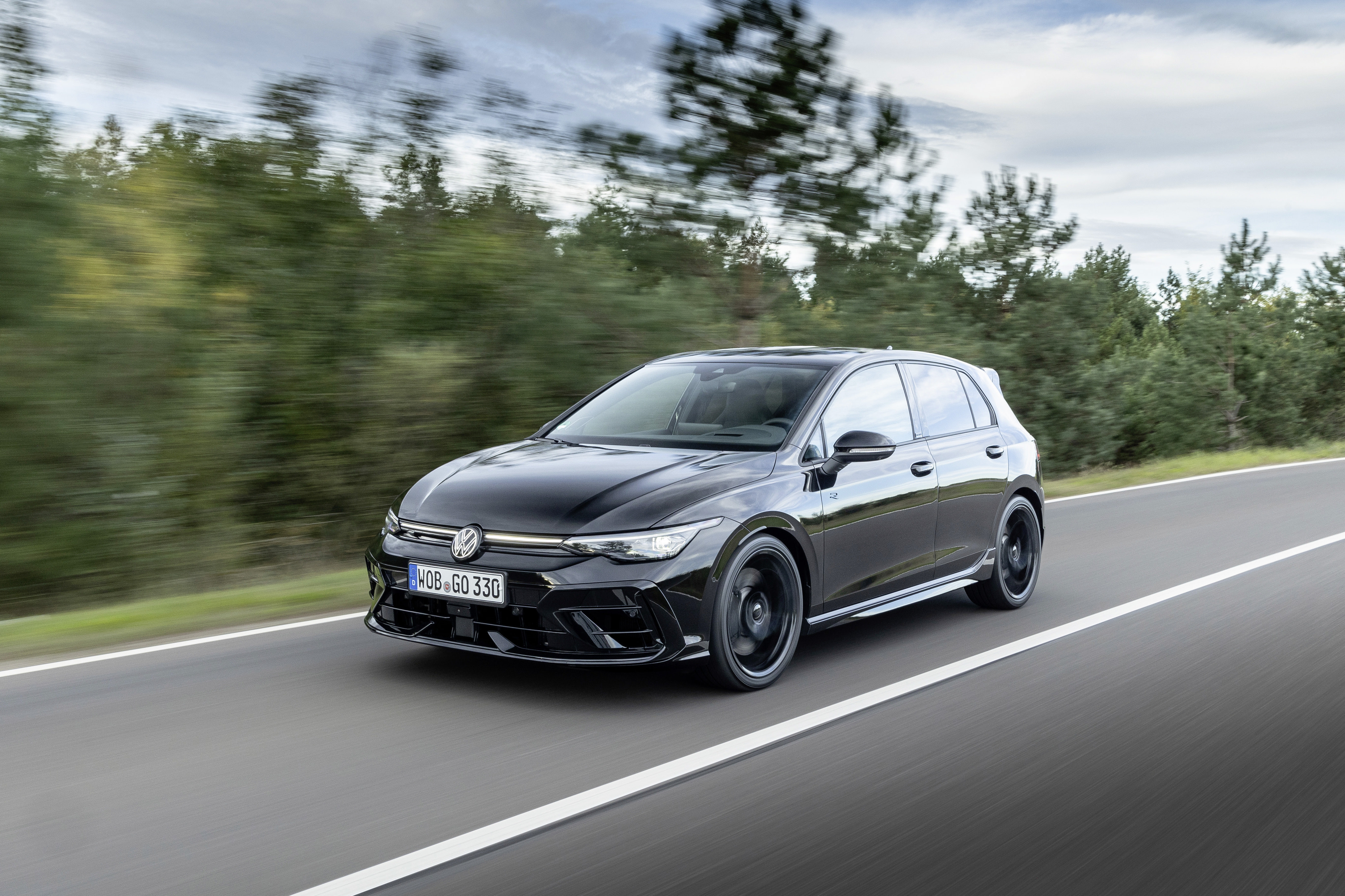
2025 Volkswagen Golf R Black Edition. The offering here is very similar to that of the Prius Nightshade, meaning that automakers can charge extra for blacking everything out. There’s no special performance advantage, by the way. The Golf R Black gets black trim, wheels, mirror caps and a front badge that lights up. Inside, there are the aforementioned “carbon fiber accents.” The package is pricier than on the Prius, adding up to $1,500 to the $48,325 of the base model R.
The Golf R is a pretty ferocious car, with performance torque vectoring and drift mode should you choose to indulge your inner Keiichi Tsuchiya or Tanner Foust. The R’s two-liter turbo punches above its weight and produces 328 horsepower, coupled to 4MOTION AWD. The Akrapovič exhaust is an option.
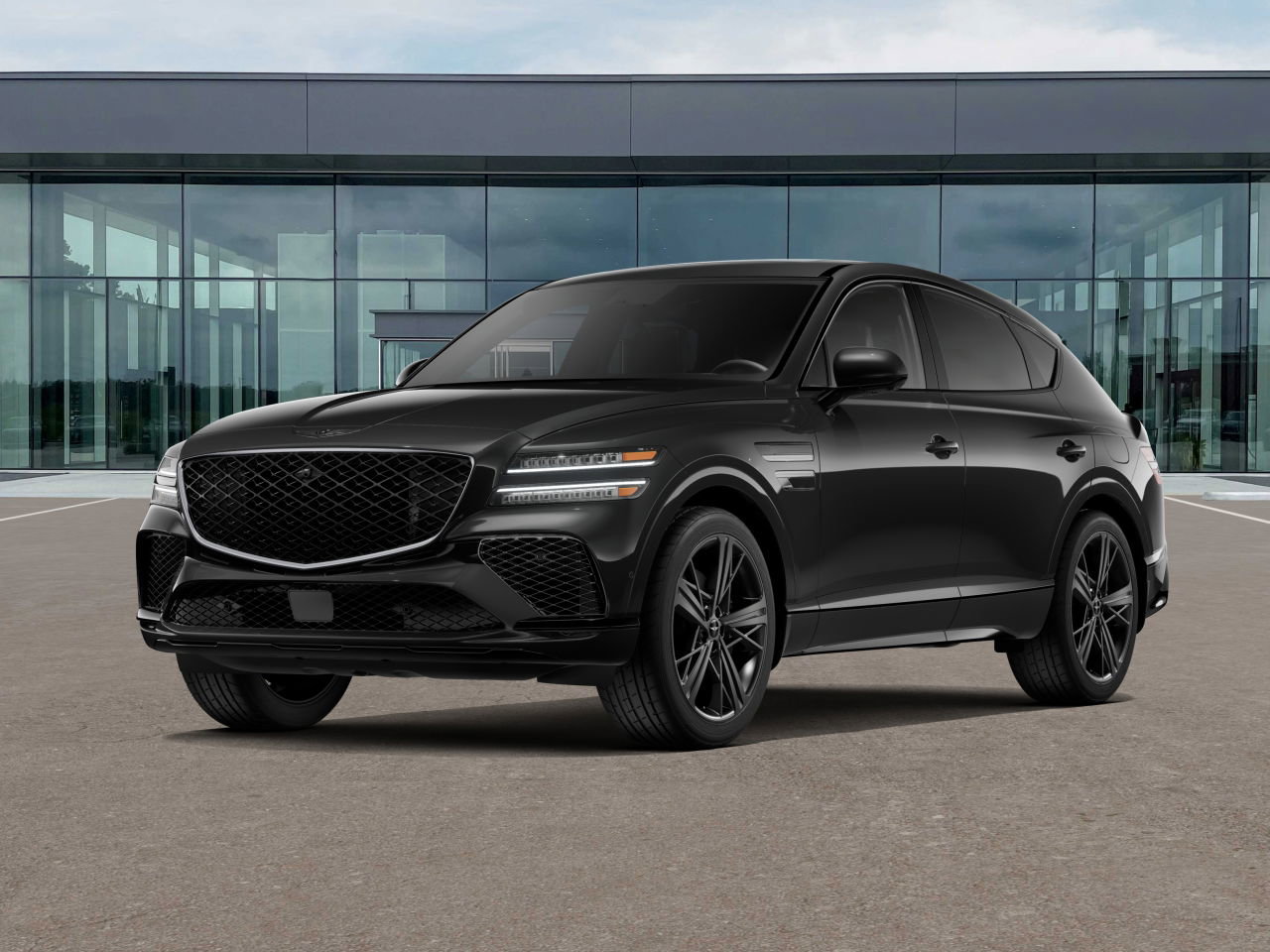
2026 Genesis GV80 Coupe 3.5T Prestige AWD. Yes, automakers like the word “prestige” almost as much as they like “black edition.” So, in the Prestige Black Genesis GV80 Coupe you get 22-inch black alloy wheels, dark chrome accents, blacked out grille and trim, spoilers and, oddly, no rear wiper. I like rear wipers! This car is really loaded to begin with, including Nappa leather, massage seats, B&O sound, a curved OLED display, and 409 horsepower from the twin-turbo V-6 if you go with the optional mild hybrid e-Supercharger. This is an SUV, of course, and “coupe” in this case is relative, referring to a slightly sporty roofline. Adding the Prestige Black Package means a $1,500 to $2,000 boost to a very hefty $91,545. The package doesn’t add much to the regular 3.5T, but if you can afford the base car you might want it. Additional consumer tip: The GV80 can tow 6,000 pounds.
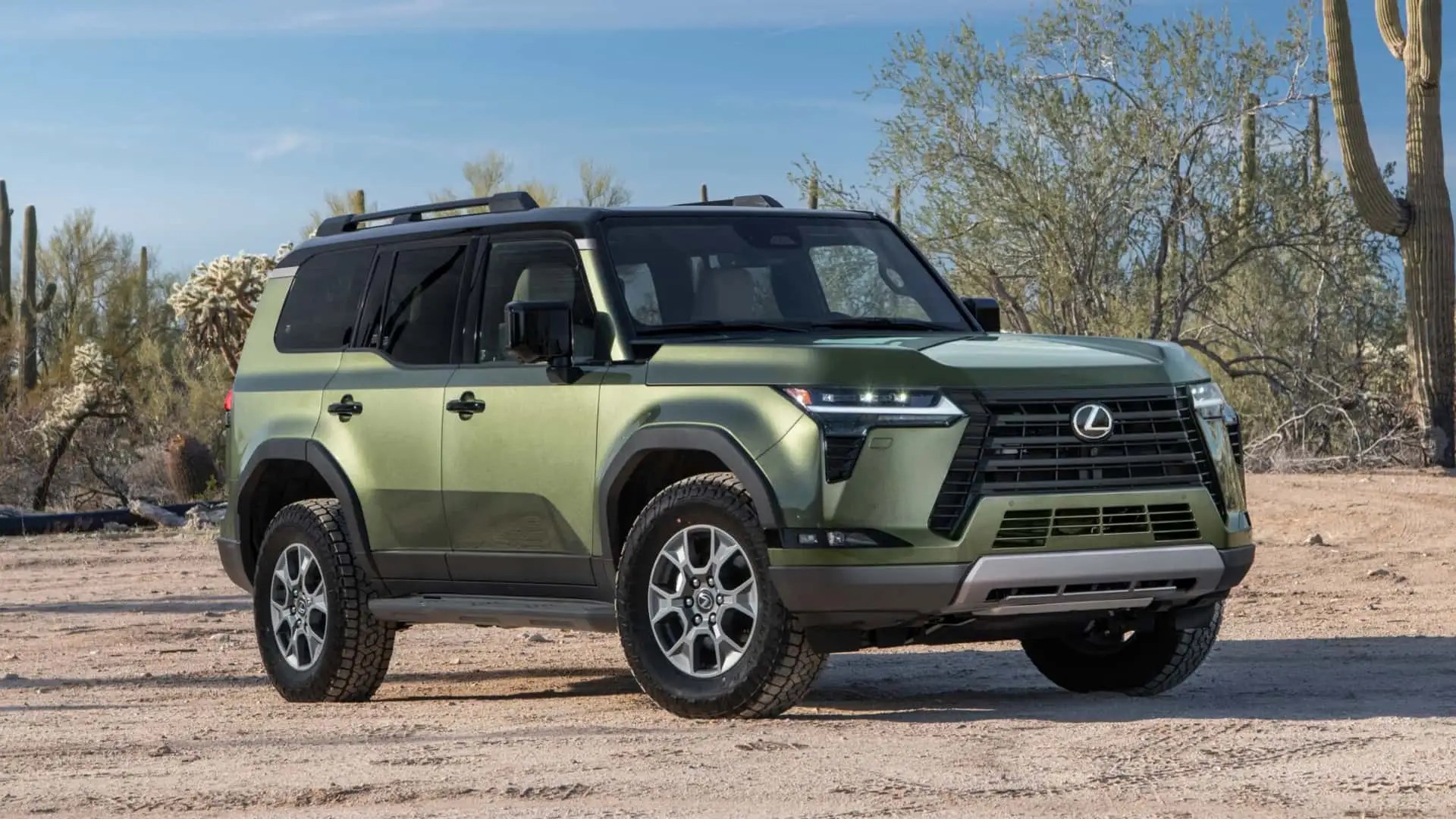
2025 Lexus GX 550 Overtrail. This thing looks like the direct descendant of the rugged Land Rovers that used to traverse the Khyber Pass in Afghanistan with jerry cans strapped to their front bumpers. It’s got mammoth 33-inch wheels, the biggest ever fitted to a Lexus, and in the Overtrail+ a one-inch lift to get over boulders. Back in the 60s, music was provided by the distant call of mountain yaks, but this is 2026 in America, so you can pay $1,140 for the 21-speaker Mark Levinson sound system. The GX Overtrail+ adds pre-wired aux switches and an emergency-ready onboard air compressor. The big GX was redesigned in 2024
Anyone who buys one of these beasts, on a truck platform and powered by a 3.4-liter V-6 turbo with 349 horsepower, and doesn’t take it off road is just being a poseur. It’s ridiculous for tooling around suburbia. Going to waste are its full-time AWD, Torsen limited-slip center differential and electronic locking rear diff. The pavement-bound owner will never use Multi-Terrain Select, Crawl Control and Downhill Assist Control. And they’ll probably never tow 9,000 pounds, either. But if you want to look like Indiana Jones at the local country club, by all means spring for the ball mount ($80), the rock rails ($990), the cat-back performance exhaust ($2,270) and the off-road roof rack ($1,580). The car itself starts at $67,900.
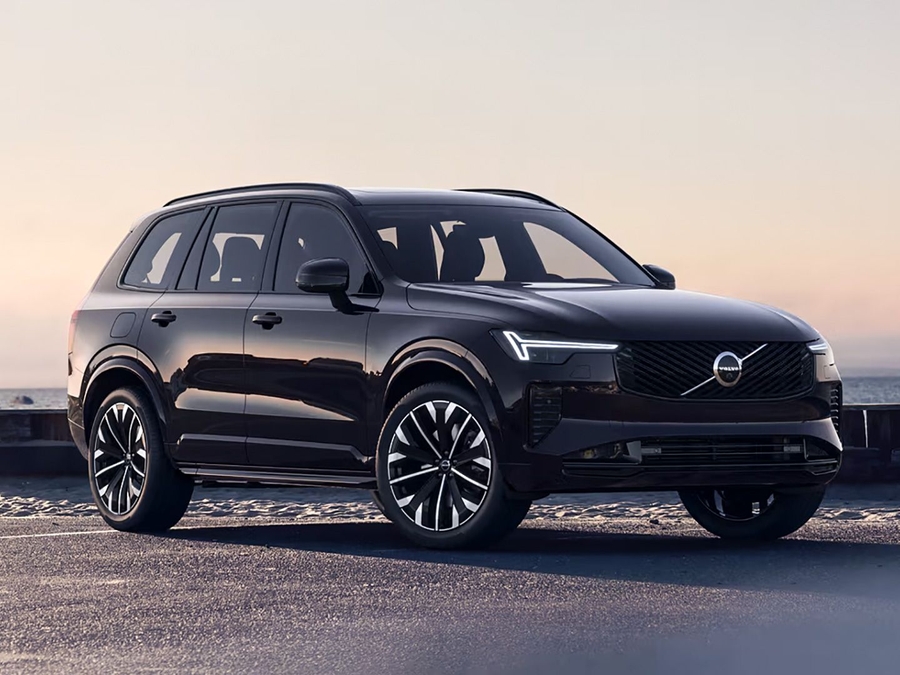
2026 Volvo XC90 B6 Prestige AWD. This particular Prestige is a mild-hybrid three-row SUV whose two-liter four gets electric assist from a 48-volt system to produce 295 horsepower and 310 pound-feet of torque. Of course it’s AWD.
This is another luxury SUV in a crowded field—you won’t miss the classy crystal shifter every time you shift gears, and the top-level sound system, available in the Ultra trim, is Bowers & Wilkins. Volvo’s new designations are Core, Plus and Ultra, with pricing that starts at $66,000. The Ultra starts at $71,045.
Go for the top trim and it includes a 27-inch OLED display with instruments and navigation in one screen, Nappa leather, open-pore wood trim, a suede headliner, and more. These wagons are popular supermarket cruisers in well-to-do suburbs such as Shaker Heights, Ohio, West Hartford, Connecticut and Watch Hill, Rhode Island, and I expect you will see a bunch of them around LA too. If you crash, you’re safe as houses.
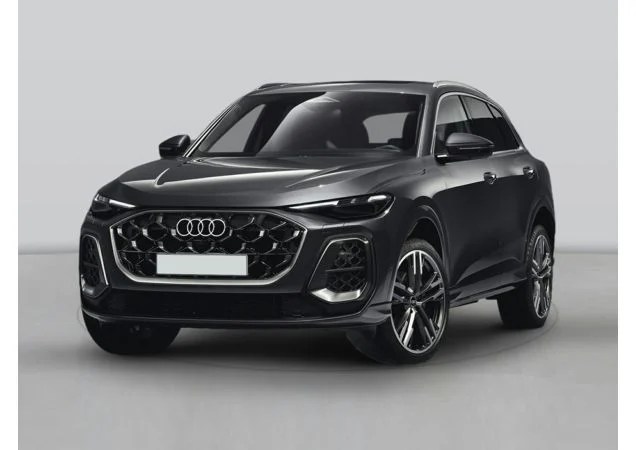
2025 Audi Q5 Prestige. The Q5 SUV is not the performance rocket—for that you want the SQ5, which has 350 horsepower. The Q5 puts out 268 horsepower, up just seven from the previous model. The power hits the road through a seven-speed dual-clutch automatic transmission. The smart money would likely stick with this version, which is just fine for commuting and going out around town.
Quattro AWD is standard. The Q5 base model, which may be just what the doctor ordered, starts at $53,495. But the prices climb quickly: The Q5 Prestige is $60,600; the SQ5 Prestige $71,200; and the Q5 Sportback (with a coupe roofline) Prestige $62,700.
Automakers have been at their trade for more than 120 years, and they’ve learned many and manifold ways of separating you from your hard-earned money. The lesson here is that prestige is nice, but not strictly necessary.



 Territorial Imperatives