On the Road in Aston’s Flagship V-12 Convertible

The Vanquish Volante complements the coupe in driving dynamics, but adds wind in the driver’s hair

The price for the 2026 Vanquish Volante convertible was kind of an afterthought during the presentation at Aston Martin’s New York Q showroom July 15, but it certainly woke up the assembled media—$483,000 plus $5,000 destination. It will be on sale in early 2026.

Supercar buyers pay for the stats, and the very pretty new flagship V-12 convertible certainly has them—a top speed of 214 miles per hour, zero to 60 mph in 3.3 seconds, an all-new in-house twin-turbo 5.2-liter V-12 engine offering 824 brake horsepower and 738 pound-feet of torque. The company has some superlatives to offer: The Vanquish Volante is “the world’s most powerful front-engine convertible” and “the fastest, most powerful, open top series production Aston Martin to date.”

According to Simon Newton, director of vehicle performance at Aston Martin Lagonda, the new Vanquish Volante (which was developed alongside the similarly powered Vanquish coupe in the lineup) is 15 percent more powerful than its predecessor, the DBS Volante, and offers 11 percent more torque. The power of the new V-12 (developed without Mercedes/AMG input) reaches the ground through an eight-speed ZF gearbox with paddle shifters and five drive modes, GT, Sport, Sport+, Wet and Individual.

Carbon ceramic brakes are standard on the Vanquish Volante, and help with weight reduction. They should be powerful, but on the highway stopping distances seemed longer than expected.  

The aim in developing the convertible, Newton said, was “to ensure that the driving experience was in no way diluted—it had to drive just like the coupe.” And that included adding lateral stiffness to the bonded aluminum structure, which is complemented by carbon-fiber body panels. The structural stiffness is the same for the open or closed Vanquish. The convertible weighs 4,144 pounds, just 200 more than the coupe.

The Vanquish Volante is also both bigger and wider than the DBS, with an especially wide grin from that traditional Aston DB-style shark grille (cue as far back as the DBR1 racer of 1956). Newton emphasized that a great deal of engineering went into getting the soft top to fold flat, without an unsightly hump on the rear deck. The downside is that the folded top eats into trunk space.

The top goes down in 14 seconds and closes in 16. With the top up, rear vision isn’t all it could be—the rear window is small. The car’s low-profile top makes it look like headroom would be an issue, but this did not prove to be the case on the road. It’s an attractive car, top up or down.

Inside the Volante feels roomy, with a very similar interior layout to the Vanquish coupe. The driver looks at a digital 10.25-inch display, which is complemented by a similarly sized center-stack touchscreen. Bowers & Wilkins does the audio, with 15 speakers. Sports seats are standard, but carbon-fiber performance variants are available (though these are certainly not race cars). A fair amount of customization is, of course, available—and saddle leather fitted luggage sets can be added. Asked about options, Morgan Theys Carrasco, the company’s Americas spokeswoman, said the possibilities are practically unlimited. Because of this, the one you buy may pencil out at more than the aforementioned $483,000. Some of the test cars had bottom lines above $600,000.
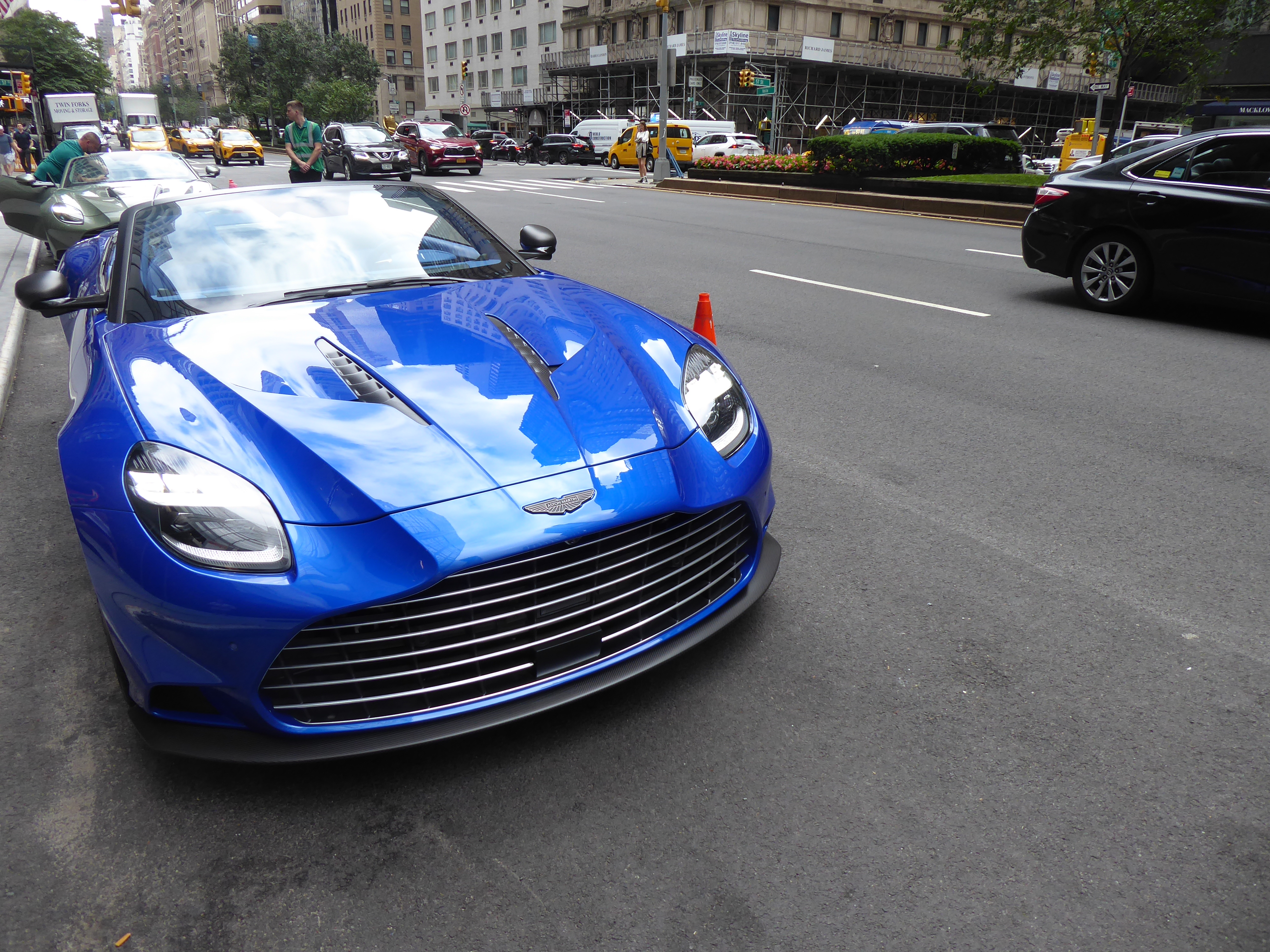
Driving a powerful more-than-$400,000 Sage Green sports car on the streets of New York is always an adventure. Other supercars have proven a handful in such situations but the Volante is docile at low speeds. Once the George Washington Bridge was crossed and the Palisades Parkway entered in New Jersey, the car came into its own, offering effortless surges of power while remaining surprisingly quiet and squeak-free in GT mode. Wind noise wasn’t bad with the top down, either. Switching up to Sport and Sport+ increased the urgency of the engine note and stiffened the suspension.

Open roads gave an opportunity to open the car up, and it remained eager to any speed that was desired. The best thing about driving the Volante was the very direct, precisely weighted steering. The driver soon learns that the most minute adjustments are possible. The suspension was expectedly stiff, making the horrible city roads a bit bouncy, but glass smooth on the rural byways.

The job of a car writer inevitably sounds glamorous, especially when you inform your interlocutor that the day included driving an Aston Martin convertible and eating a gourmet lunch. The appeal is undeniable, causing many to exclaim, “That’s the greatest job in the world!” And maybe it is. It also sounds fairly easy to most people, and they often add, “I could do that job!” And maybe they could. But like telling jokes on stage or conducting an orchestra, it’s harder than it looks. At least I tell myself that.

The Volante was delivered safely back to base, complementing the cleaner example on the showroom floor. The estimate is that 40 percent of Vanquish production will be Volante convertibles.

Theys Carrasco said that CEO Adrian Hallmark is keen on growing Aston Martin as a performance brand and returning the company to profitability by the end of 2025. Part of the strategy is opening new Q outlets around the world, with a new location in Japan and one in London by the end of the year.

The over-1,000-horsepower Valhalla plug-in hybrid supercar (zero to 62 in 2.5 seconds) is coming in the second half of this year, which could help the Aston Martin bottom line. Production is limited to 999 units.
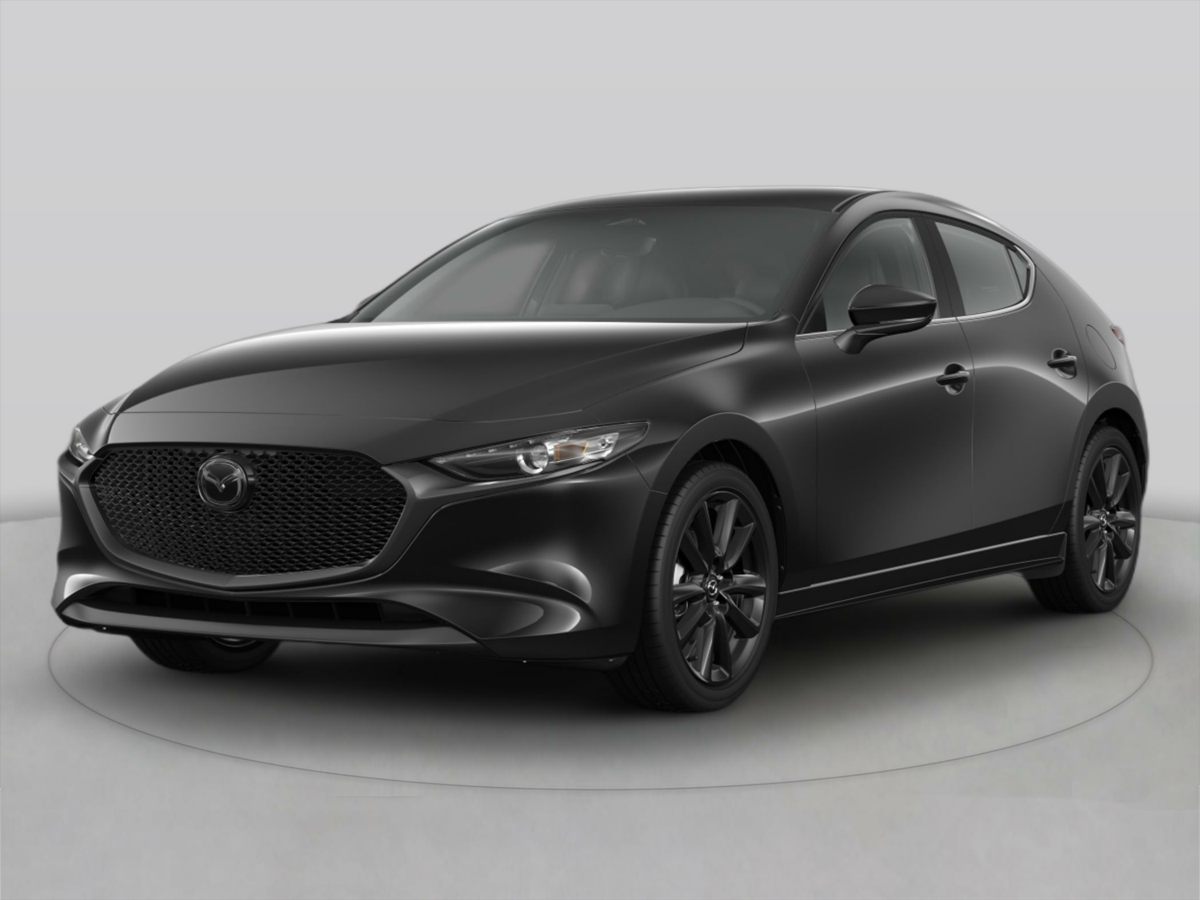
The Mazda3 Carbon is Simply a Good Car and a Good Deal

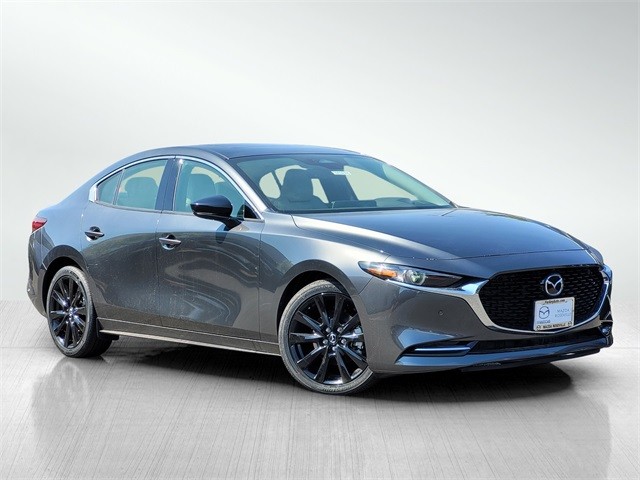
I wish there were more cars available like the simple and straightforward 2025 Mazda3 2.5S Carbon Edition AWD I tested this week. For a bottom line of $31,095 it’s possible to buy a relatively sporty all-wheel drive sedan that does just about everything you want a car to do.

At first, I was taken aback by the Mazda having a conventional gauge set complemented by a smallish center-mounted 8.8-inch non-touchscreen display. Navigating GPS, Apple CarPlay and other functions was via a rotating dial on the console. It seemed annoying, but was actually easy to use. If you owned it, getting around would soon be second nature.

The mid-pack Carbon Edition comes with AWD and a 191-horsepower (and 186 pound-feet) Skyactiv 2.5-liter four-cylinder engine. Buyers can opt for the Carbon Turbo trim, which sells for $33,595 and ups the ante to 250 horsepower. That might be a good upgrade, because with the standard engine the car is adequate but not terribly exciting to drive. But the standard’s 30 mpg combined (35 mpg on the highway) is nice.

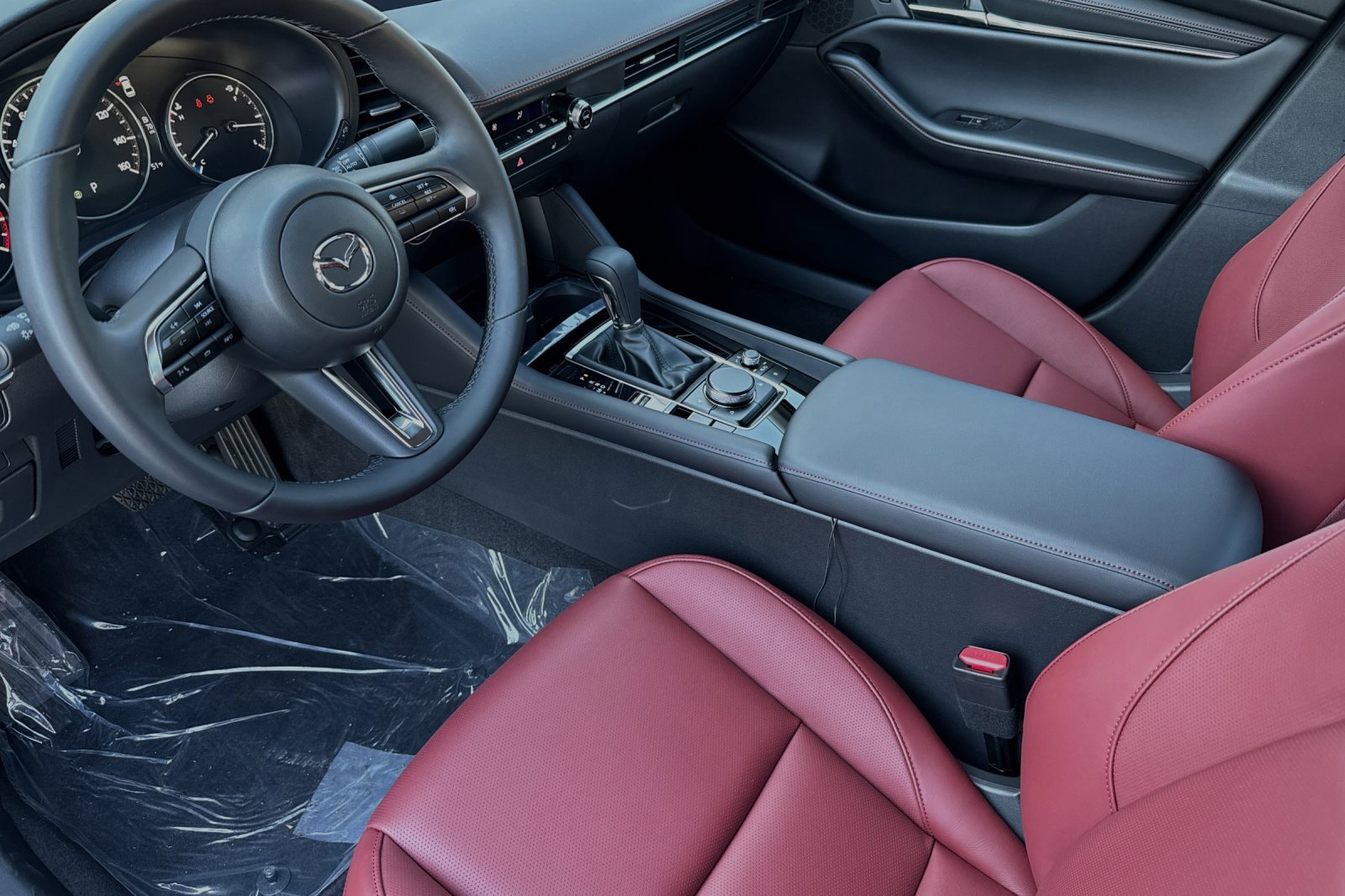
The interior of the Carbon featured very comfortable red leather seats (standard) and features high-quality materials, redolent of a more expensive vehicle. As Car and Driver put it, “The Mazda 3 is a mainstream compact sedan that punches above its weight. It can almost pass for a premium-class compact, as its top trim levels boast elegantly furnished interiors lined with materials that exude a sense of luxury that rivals like the Hyundai Elantra and Honda Civic just cannot equal.”

Everything about this Mazda3 was just uncomplicated and convenient. It’s actually a car I’d consider buying, and I never say that. It was easy to park, had good road manners and plenty of storage as well as legroom, looked reasonable enough, and was economical in use and likely to be reliable. There’s a hatchback available that gives it more of a crossover look, but the view to the rear isn’t great. In my opinion, the sedan is the one to have.

Please note that the Mazda3 is assembled at a plant in Salamanca, Mexico and has only 10 percent U.S. or Canadian content. Fifteen percent is via Japan. So, this lovely vehicle is a tariff target, but of course it’s complicated. The tariff would be 25 percent, but under Trump’s revised guidelines from March if the car meets specific U.S.-Mexico-Canada agreement requirements that’s likely to go down to 15 percent. Anyway, the pricing is subject to change.

New Models Sometimes Blur the Lines Between Sedans and SUVs

Although it’s often stated that the auto industry leads the public by the nose via clever marketing campaigns, in fact consumers are in the driver’s seat—and their changing tastes led to the now near-total SUV dominance we’re now seeing. But the difference between a sedan and an SUV these days amounts to little other than a few body panels, as witness Toyota’s Prius and Corolla Cross hybrids.  

A small SUV is often more efficient and fuel-friendly than a big sedan. And that’s why it makes sense to figure out which current market entry really floats your boat—and then downscale from there. Small is still beautiful! Here are some new models, illustrating my various points:

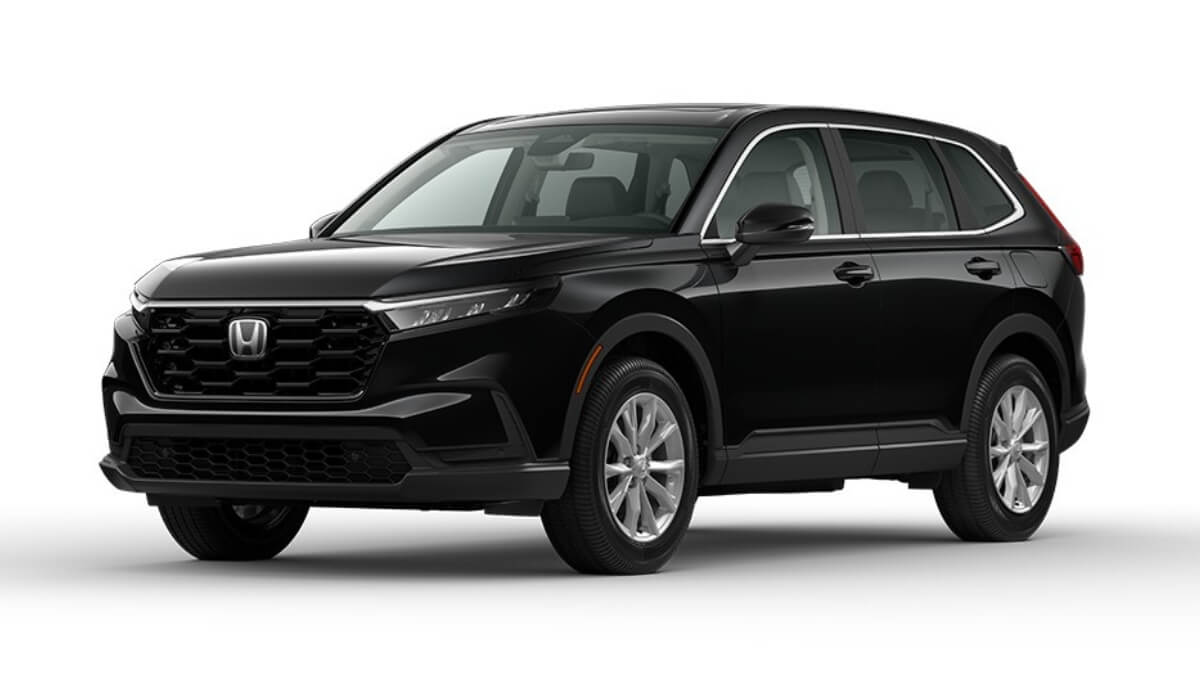
2025 Honda CR-V Hybrid AWD Sport Touring. Now here is an entirely reasonable automobile that represents an excellent choice for a small family that—in most cases—buys something larger. As a parent who raised two kids with nothing larger than a Honda Fit, I say it isn’t really necessary to buy an Expedition when the first kid arrives. Honda didn’t have an as-tested price for an example with $455 added for Urban Gray paint, but this hybrid Touring model starts at $42,450.

The CR-V is never going to be a white-knuckle sports car that you exploit at the limit. It’s a very, very useful appliance that delivers 37 mpg combined. And it’s probably the most reliable appliance you can buy. Yes, it’s a car for people who read Consumer Reports, but there’s nothing at all wrong with that. There’s really no reason not to chose the hybrid variants that are being offered on an increasing number of automotive product lines.

2024 Toyota Prius Limited. If you’ve been using the excuse that “the Prius is ugly” for buying a lesser vehicle, it’s time to rethink. The current fifth-generation Prius is downright pretty. It was first shown in 2022. The shape of the earlier versions were dictated by practicality and aerodynamics, so the styling win here has yields a slightly higher drag co-efficient and minor losses in cargo volume. But it was worth it!

The Hybrid Synergy Drive in this Prius offers 198 horsepower, and a two-liter inline four gas engine that’s also used in the recently tested (and quite nice) Corolla Cross hybrid crossover that’s also worth considering. In high-end Limited trim, the Prius yields 49 mpg combined, saving the owner $4,250 annually in fuel costs compared to the average new vehicle. For $37,999, the buyer gets a loaded Prius with features like AWD, a full safety suite, LED headlights, rain-sensing wipers and eight-speaker JBL infotainment. It’s hard to imagine a better buy, especially when the average car sells for $48,401.

2025 Genesis G80 AWD 3.5T Sport Prestige. The G80 slots in between the G70 and the G90, but it’s the top dog in some international markets. It’s certainly no compromise, coming as it does fully equipped with the top-of-the-line B&O stereo, AWD, a huge safety suite, heated and ventilated front seats, a smart auto-open trunk, and the 3.5-liter twin-turbo V-6 that makes 375 horsepower (versus the 300 horses of the 2.5-liter turbo alternative). The car shifts through an eight-speed automatic transmission.

Beyond these tangibles there’s the intangible just-feels-right about this car. It’s very comfortable, quiet and effortless on the road, and offers plenty of storage. The bottom line as-tested wasn’t offered, but the model starts at a not-cheap $78,250. Also check out the 2025 Genesis G80 Electrified, offered in just one “Luxury” trim. We recently drove one on a round-trip to Washington, DC with Michelin, and a good time was had by all except for some charging issues on the New Jersey Turnpike. The 94.5-kilowatt-hour battery gives the G80 Electrified just under 300 miles of range.

2025 Mazda CX-70 Turbo S Premium Plus. The CX-70 is a new mid-sized entry going after popular vehicles like the Jeep Grand Cherokee. It’s very similar to the CX-90, albeit with two rows (and five-passenger seating) instead of three rows and room for eight. You can get into a CX-70 for $41,900, but this top-range model is an eye-opening $57,405, in part because this is the hopped-up S version of the 3.3-liter inline-six engine seen in the CX-90. It produces 340 horsepower and 369 pound-feet of torque, coupled to an eight-speed automatic transmission. Mazdas tend to handle better than the average Japanese product, and that was the case with this fairly large automobile, which is also very tastefully appointed. But this is among the most crowded SUV segment, so it’s tough for Mazda to really stand out in it.
The zero to 60 time of 6.2 seconds is relatively sprightly, but any electric SUV would blow it away. Fuel economy of 25 combined/23 city/28 highway isn’t horrible but isn’t great, either. Also consider the CX-50 Hybrid Premium Plus, with a much better 38 mpg combined (39 in the city and 37 on the highway). The bottom line of $42,065 is also easier to swallow. And you can live with 219 horsepower.

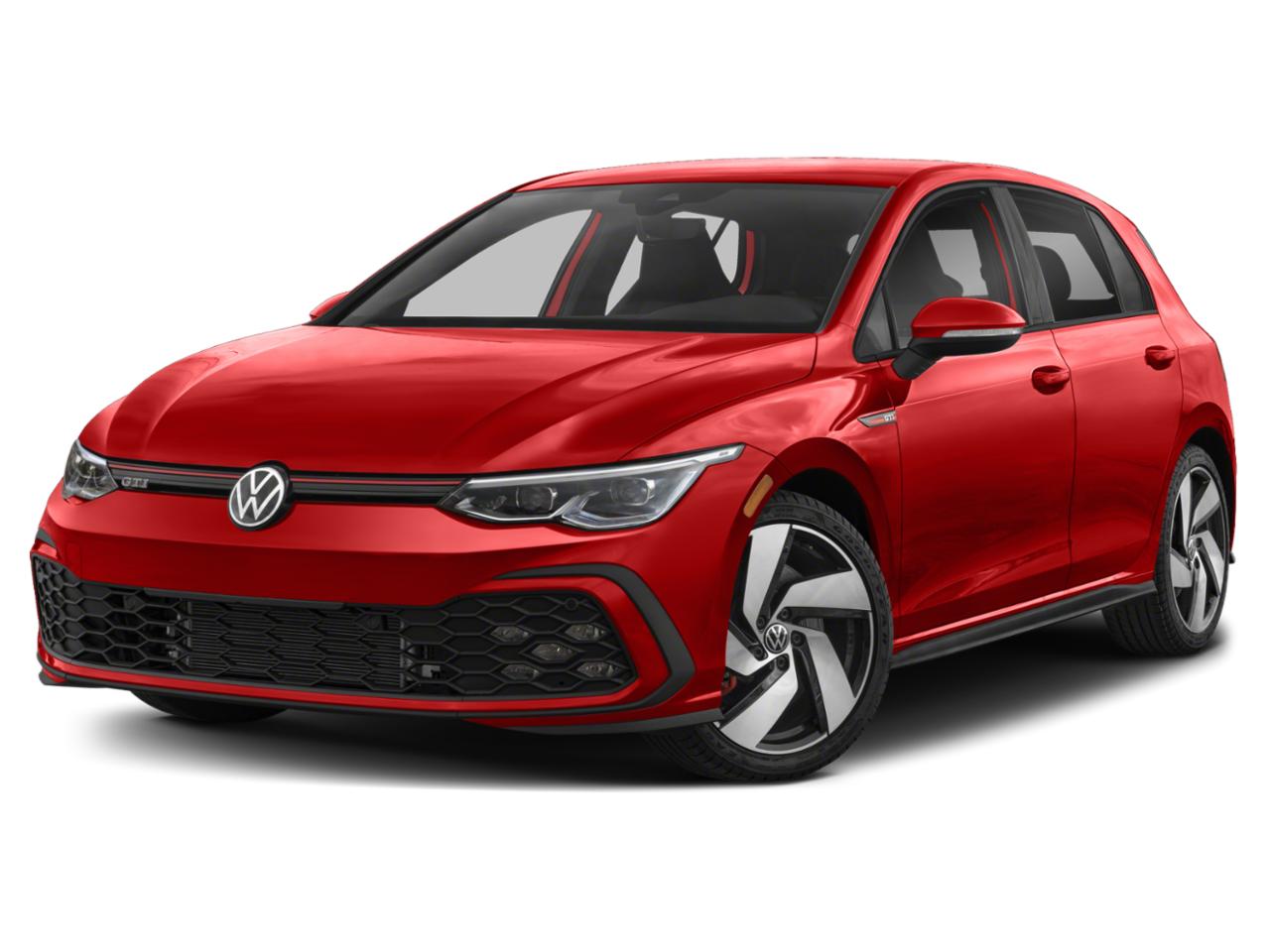
2024 Volkswagen Golf GTI 2.0T. The Simeone Museum in Philadelphia collaborated with Volkswagen of America on the current exhibit (through January 12). Highlights include the Woodstock Microbus, Herbie, Karmann Ghias, a 1949 Bug—and several GTIs.

The GTI was launched in 1976 with 1.6-liter inline four adapted from Audi. That power output doesn’t seem like a lot now, but it turned the lightweight Golf into a prototype hot hatch capable of more than 112 mph. Obviously, the GTI has gained some weight and power since then. There’s still an inline four, but now it’s a 16-valve turbo producing 241 horsepower and 273 pound-feet of torque. The 2024 GTI offers zero to 60 in as little as 5.5 seconds, and fuel economy of 27 mpg combined (24 city, 33 highway). It’s a fun car to drive, graced with a six-speed manual transmission (one of the last?), but suffers from controls that should be simple and knob-based, but are complex and on the screen.

2024 GMC Sierra EV Denali Edition 1. OK, it’s here, an all-electric Denali pickup with formidable specs—zero to 60 in four seconds! They call this a “light-duty” truck but it weighs 8,800 pounds. To move all that weight, GMC has equipped it with a huge 205-kilowatt-hour battery. That provides a stellar 440 miles of range. But the big battery is a major reason the Denali has a $99,495 price as-tested.

The crew-cab truck was luxurious inside, and quiet in operation, with a huge vertical screen. But this is one EV that just feels big, especially in parking lots. In terms of practicality, the truck with the cumbersome name did prove useful for some dump and Goodwill runs. The powered tailgate, which folds in half, is nice, but the dealer-installed soft roll-up tonneau was cumbersome to use, especially in the cold. And the load height is pretty high.

Is there a market for this kind of heroically sized EV? Probably, yes, since Rivian is moving them, and GM itself sold 14,039 Hummer EVs through October 2024. It’s not clear how many of those were pickups. Scout is also going after the EV pickup market, and we should see the Ram electric pickup soon. GM has a history of producing its “green” vehicles from its largest platforms, and in some cases that leads to a distinctly compromised product, such as the Silverado hybrid that went from 17 mpg to 19. But to its credit the company is now offering downsized and very credible vehicles such as the Chevy Bolt, Equinox and Blazer EVs.

New Car Reviews: The Imports Catering to American Tastes

This batch of new cars is all foreign, German, Korean and Japanese. And they’re quite diverse, proving that in many ways the overseas auto manufacturers have adopted very well to American buying patterns. If we want big trucks and SUVs, they’ve got them—in reliable, well-built form. Sporty cars, too.

2024 Volkswagen Taos SEL 4MOTION. This is a small built-in-Mexico SUV based on the MQB platform. The SEL 4MOTION uses a 1.5-liter turbo four-cylinder engine coupled to a seven-speed DSG automatic. It produces a modest 158 horsepower with 184 pound-feet of torque. It’s no ball of fire on the road, but I don’t expect practical crossovers to be race cars. These powertrains are usually fairly fuel-efficient, and the VW offers 27 miles per gallon combined, with a decent 32 on the highway. It’s got good crash scores, and was $35,260 as driven.

Fuel efficiency and a fairly low price are the calling cards here. Other good points are that (unlike some other VWs) it retains knobs for many functions, and offers acceptable legroom in the second row. This is no luxury crossover, but it uses plastics that at least feel like they’ll wear well. VW’s challenge is getting the Taos noticed in a crowded field.

2024 Hyundai Elantra Hybrid Limited. In a just world, everybody would drive cars like this one. The Elantra is a tried-and-true model with stellar reliability and practicality, and in this clever hybrid format it yields 50 mpg combined—getting into Prius territory, if not quite there. And the bottom line for the tester was just $30,810. This is far lower than the average Americans pay for cars.

If you want to spin the tires, buy something else. The Elantra hybrid is powered by a 1.6-liter four coupled to a six-speed dual-clutch automatic. It’s got 139 horsepower, slightly less than the standard Elantra, but there’s much more torque at 195 pound-feet (compared to 132 in the base). You don’t really need the performance-oriented N Line Elantra, but it’s out there and a lively driver with a turbo that gives it 201 horsepower.

For the money, the Elantra hybrid is impressively outfitted with a Bose stereo, wireless charging, a power driver’s seat, and a suite of safety tech.

2024 Lexus IS 500 F Sport Performance. Maybe you don’t blink, but the $66,970 being asked for this relatively small car on a platform launched in 2013 made me blanche more than a little. But it’s all about the V-8. The five-liter engine (also in the LC 500 and RC F) produces a mighty 472 horsepower, coupled to an eight-speed automatic with rear-wheel drive. The performance you definitely get—the beast pinned me to the seat. It can reach 60 mph in 4.5 seconds.

In most respects, this is a pleasant sport luxury vehicle with nice fit and finish. It can potter around and get the groceries if you need such duty. It has a really good safety package, dual-zone climate and a Mark Levinson stereo. But you could lop $15,000 off the Lexus’ price and find some credible entries that would do just as well. They won’t have the V-8, though—this is the only one in the segment. Be prepared for visiting a lot of gas stations. Drivers pay for power, and this is a Japanese car with 20 mpg combined.

2024 Toyota Sequoia TRD Pro Hybrid. This is what I meant when I said that overseas automakers are catering to our needs. The three-row Sequoia, based on the Tundra, is not likely to find many buyers in its home market. As tested, it’s a $81,060 big-gun SUV powered by a twin-turbo V-6 with an electric motor/generator, coupled to a 10-speed automatic with sequential shift. Is it possible for a hybrid to get only 20 mpg combined? Yes, when it’s huge and based on the Toyota Tundra. It was a good highway vehicle, but murder in tight parking lots like those at Trader Joe’s.

This one had off-road suspension, and could probably conquer the outback while its cosseted passengers—all seven of them—sit in frigid air-conditioning. That’s what a Range Rover is also for. The Sequoia can also reach 60 mph in 5.6 seconds, which is a triumph of engineering over bulk. The second and third row have limited headroom, and the third row can be slid forward, but a flat load space isn’t part of the picture.

2024 Audi S7 Prestige. We’re high in the Audi range here, and the S7 as tested was over $100,000–$102,075 to be exact. But it’s what they’re talking about when they quote “German engineering.” Karl Benz would take off his hat on hearing about this car’s twin-turbo, supercharged V-6 engine, which produces 444 horsepower and 443 pound-feet of torque. In the early ‘70s, smog-strangled V-8s were being built with just 120 horsepower, and this one is a V-6. With sport suspension ensuring it stays planted, the S7 can reach 60 mph in 4.1 seconds. If you want more, there’s 591 horsepower in the RS7.

The S7’s V-6 is coupled to an eight-speed automatic transmission and Quattro all-wheel-drive. The interior is nicely fixed for leather and wood. I enjoyed the heated seats and wheel, the four-zone climate, and tried the shift paddles. I can’t say that the full performance possibility was explored—I’d need the Nürburgring—or at least Lime Rock—for that.

Driving the New SUVs–And More. The Competition is Fierce.

It’s tough out there. Automakers know they have to concentrate on SUVs, because that’s all people will buy (well, trucks too) but the competition is fierce. Hence an SUV has to be extra special to stand out from the crowd.

2025 Genesis GV80 Coupe

One that does exactly that is the 2025 Genesis GV80 Coupe AWD 3.5T Sport Prestige currently under test. The fit and finish of this car, with heated and cooled Nappa leather seats, was just impressive, and the tester was the electronically supercharged model that extracts 409 horsepower and 405 pound-feet of torque from 3.5 liters. The standard engine in this car is a 375-horsepower twin turbo.

And this is one of the few vehicles on the market that comes with advanced rear-occupant protection that can detect a baby’s breath in the second row. It’s big, though, and required a plus-size parking spot in New York City.

The styling is by necessity a bit awkward, given the challenge of turning a four-door boxy SUV into a coupe, but Genesis did their best with what they had. The GV80 Coupe is pricey, though, at $88,630 as tested. Fuel economy, as expected, isn’t great, 22 mpg on the highway, 18 in town.

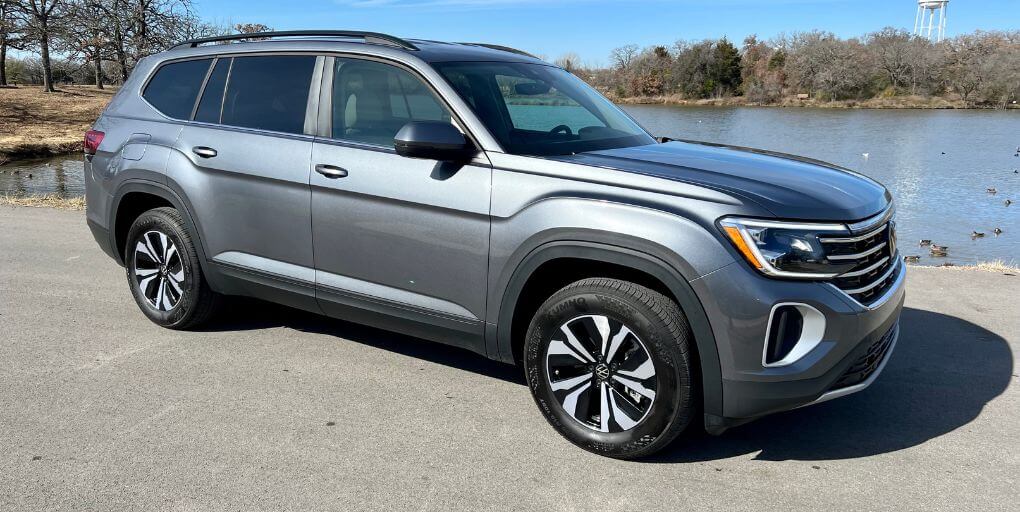
2024 Volkswagen Atlas 2.0T SE

This car was refreshed for 2024, receiving new front interior, new taillights and a revised interior. The V-6 option is out of the lineup. They’re all four-cylinder models now. But the turbo four produces 269 horsepower and 273 pound-feet of torque, and when coupled to an eight-speed automatic yields a 7.5-second zero to 60 time. It’s not the problem.

The interior is nice looking and airy, but as with the GTi recently driven it has a really challenging infotainment system that requires going through a lot of screens and menus to do just about everything. I really, really want a volume control knob. The touch-sensitive controls, when you get to them, aren’t very touch sensitive.

Fuel economy is pretty crummy, 22 mpg combined. In the end, this is not a standout family SUV, more’s the pity.

2024 Mazda Mazda3 Sedan Turbo Premium Plus

It was a relief to step into that endangered species, an actual sedan. The tester was at the top of the Mazda3 range, selling for $37,065 with the SKYACTIV 2.5-liter turbo engine and all-wheel drive. It’s a very competent little driver car, with 227 horsepower and 310 pound-feet of torque on offer. It can achieve an impressive 5.6-second zero to 60 run. BMW should be scared by cars like this one, but I doubt it gives Mazda much thought.

Sedans generally trump SUVs in fuel economy, and this one achieves 32 mpg on the highway (27 combined). It has Mazda’s generally quality high level—nothing fell off, and it probably won’t if you buy one.

If you really want to save money, start with the base model at $25,135. Changes on this car for 2025 include the base model in sedan or hatch form, and with any model above base there’s the capacity to talk to Alexa. Want Bose? Upgrade to Premium or Turbo Premium Plus, where it’s standard. Sounded good, too.

Also tested from Mazda was the 2025 Mazda CX-50 Turbo Meridian Edition, and it was a solid entry that was relaxing to drive on a long trip. For $42,670 (as tested) it wasn’t a bad buy. Under the hood is a 2.5-liter engine with twin turbos and 227 horsepower with 310 pound-feet of torque.

The Meridian as tested featured leather seats, auto-dimming headlights, a moonroof, dual-zone climate and a 12-speaker Bose setup. Not bad for the price. I bought a Miata instead, but so did every other auto journalist in the world.

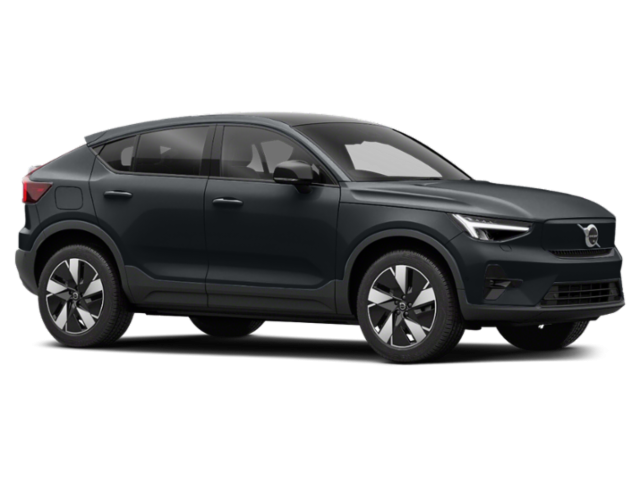
2024 Volvo C40 Recharge Single-Motor Ultimate

I find myself frequently recommending the single-motor of today’s electric cars, because they’re cheaper and have greater range. The price is important, because even the single motor starts at $54,895. It has rear-wheel drive, and even without the second motor can hit 60 mph in 6.6 seconds. But with the twin motor you get an eye-popping 402 horsepower, 4.4-second times, and more performance cred.

All of the single motors get a 79 kilowatt-hour (75 kWh usable) battery pack, and range that’s a decent 297 miles (less if you drive mostly on highways). Recharging can be achieved at a fast 480-volt station 10-80 percent in 28 minutes.

The Volvo and its Polestar near-relatives are very competent EVs (the Scandinavian modern interiors stand out) that would be more competitive at slightly lower price points. In other Volvo EV news, the company has teamed up with Starbucks to add 50 fast chargers at 15 locations along the 1,350-mile corridor between Denver and Seattle to “make EV charging as easy as getting coffee.” Since you can recharge there in 28 minutes, they have a point. “While their vehicles are recharging outside, drivers and their passengers can relax comfortably inside with their favorite Starbucks beverage,” Volvo says.

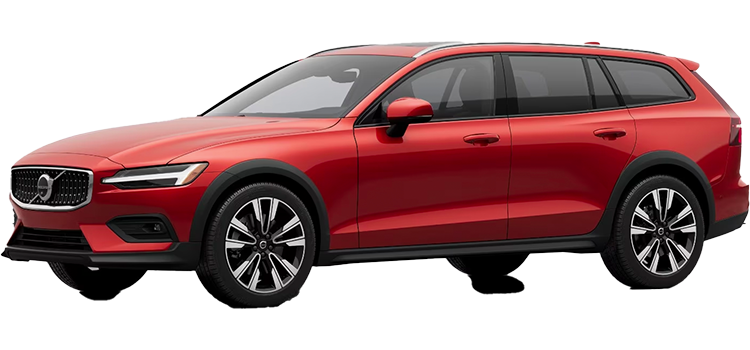
2024 Volvo V60 Cross Country B5 AWD Ultimate

Volvo is to be praised for keeping station wagons in the lineup. Audi has a wonderful S5 Avant model coming out, but Americans won’t be getting it. It’s our own fault—we’ve rejected the format pretty definitively. Not me, though. I’ve owned station wagons made by Plymouth, Mercedes, Volvo and more.

The V60 Cross Country is an upscale wagon, priced at $62,075 as tested. Power comes from a two-liter turbocharged and direct-injected four that manages to generate 247 horsepower and 258 pound-feet of torque.

The other version of the V60 is a Polestar-engineered plug-in hybrid with sticker shock at $72,445. Both of them are opulently appointed, but the Cross Country has some vague SUV styling cues and an unnecessary lifted ride height. Will the camouflage be enough to fool buyers who hate station wagons?

My neighbor has a V60 and loves it. He even named it “Lars.” I like that these wagons have definite family ties to the old 122S I owned for 20 years. Some of the Volvo SUVs, not so much.

Bosch’s Better Tech Ideas for Future Mobility

“We’re proud to be part of a global organization, but our mission is to develop products that are appropriate for our region,” said Paul Thomas, president of Bosch in North America. The world’s largest auto supplier, based in Germany, has indeed developed tech tailored for U.S. car buyers, and displayed it at the Bosch Mobility Experience at the company’s proving grounds in Flat Rock outside Detroit. September 10. It was a behind-the-wheel demonstration, with much visceral impact.

The driver can place the trailer precisely on the screen, then the tech takes over steering. (Bosch photo)

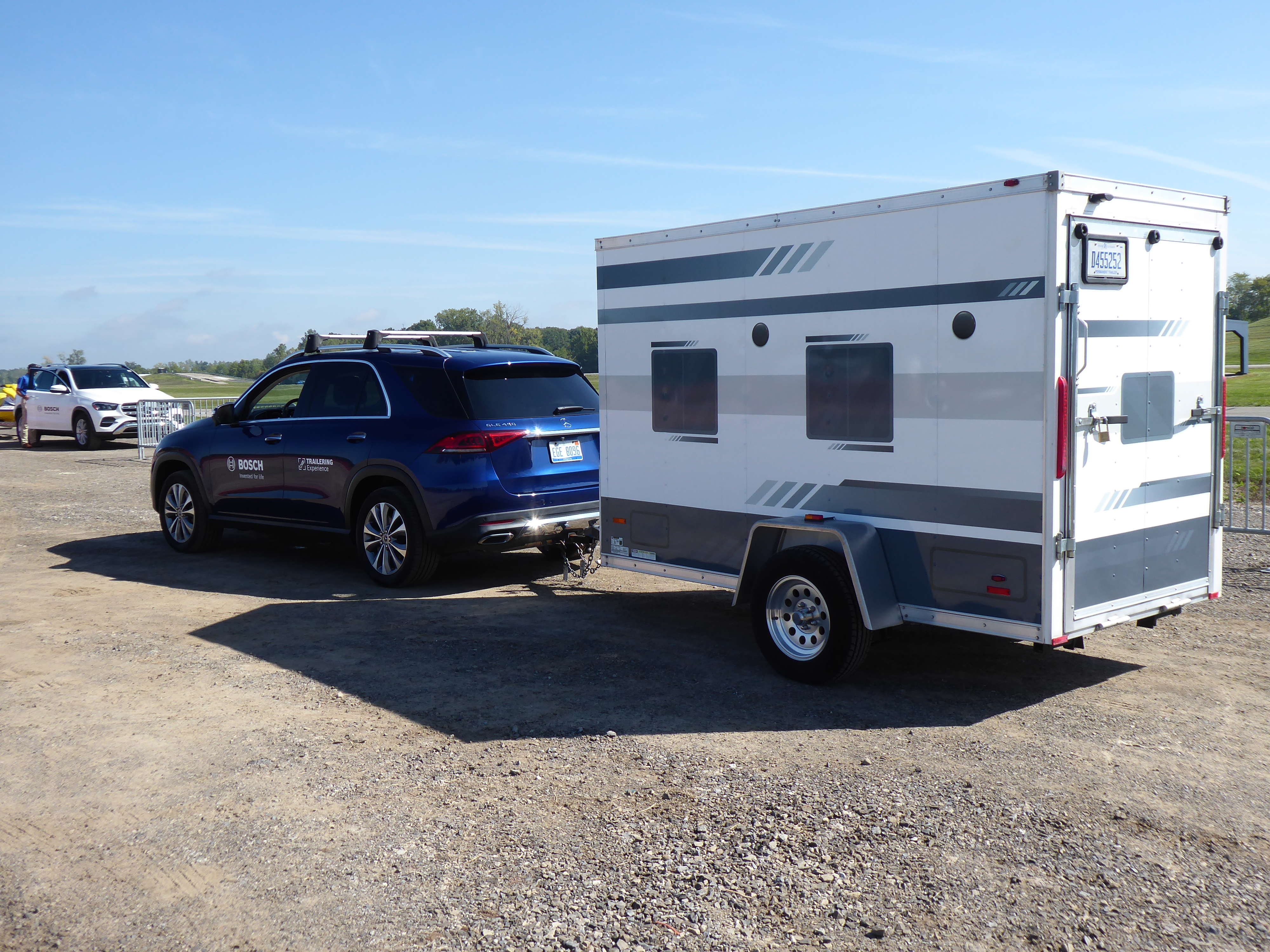
Perhaps most relevant to American buyers—who do like to tow—was the Anywhere parking trailer, which enables pinpoint location. On the HMI display, the driver moves a shaded box to the exact location desired (also setting the vehicle’s orientation), then pushes a button and the car takes over steering functions (though the driver still uses the accelerator). The tech can also be used to precisely align a truck with a trailer hitch, without using another person as a guide. This might frustrate dedicated haulers who’ve perfected their technique over decades of trial and error, but it’s a godsend to occasional towers. Anywhere is not on cars and trucks yet, but it’s coming soon.

You can park this rig…anywhere. (Jim Motavalli photo)

Bosch also demonstrated how its technology can be used to accurately keep a trailer (with a jet ski on board) moving straight when backed up, or aimed on a desired angle.

Bosch partnered with Linamar on e-axles that hold its electric motors front and rear. This one-off Ram truck demonstrated the technology. (Bosch photo)

Bosch is partnered with Canada-based Linamar on rigid electrified axles, which were demonstrated on a one-of-a-kind Ram 2500 Laramie electric truck. Bosch motors were integrated into both axles front and rear to deliver four-wheel drive, 11,200 pound-feet of torque and 750 kilowatts of peak power. They wouldn’t let us drive, but the truck certainly did a fine job around the steeply banked test track. Ram is obviously using its own solutions for electric trucks, but this one could be ready-made for other automakers.

Bosch has pioneered ABS braking for e-bikes, and this was the first time it was publicly shown in the U.S. The company is a major supplier to e-bike brands, providing motors and battery packs, displays and controllers. Bosch components have been seen on many European brands, and I’ve recently tested Bosch on-board in e-bikes made by the Dutch Gazelle and German Riese & Müller companies. In Flat Rock, Bosch had two e-bikes from R&M equipped with second-generation ABS, including a cargo-type designed to carry two kids forward of the driver that proved tricky to master.

Bosch on-board bikes included two from Riese & Muller. (Jim Motavalli photo)

The ABS pulled the bikes up quickly, but a Bosch spokeswoman said that the systems have been slow to acquire customers in the U.S., possibly because of the cost. “We take the long view,” she said. According to AAA, in the U.S. e-bikes have only eight percent of the bike market, but in Europe it’s more than 30 percent. E-bikes are good business because they account for more revenue per unit than standard bicycles. According to Circana, they were responsible for 63 percent of the growth in sales between 2019 and 2023.

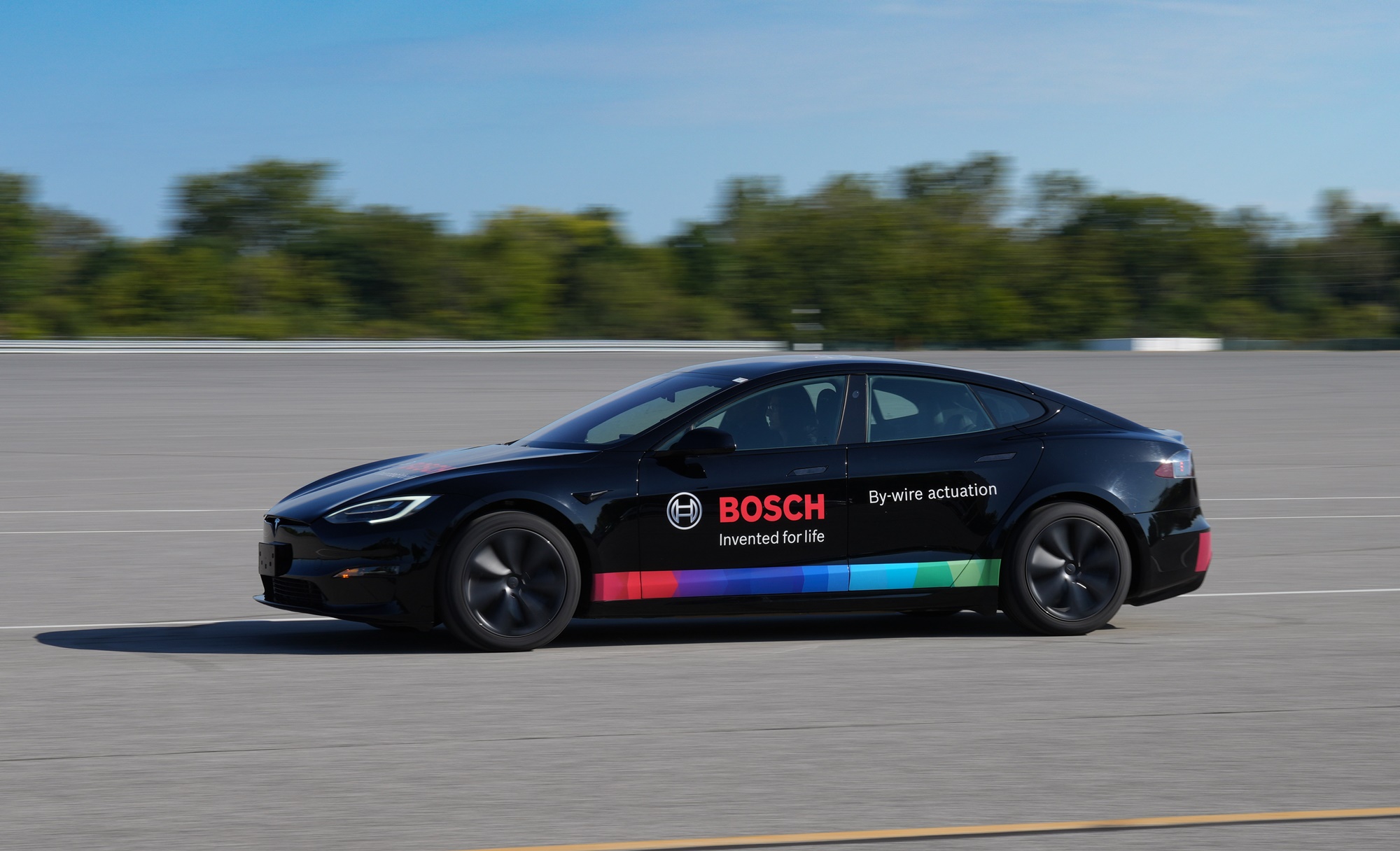
Testing brake-by-wire–with no physical connection from master cylinder to calipers. (Bosch photo)

In a Tesla Model S, we tested brake-by-wire technology with no physical connection from the pedal to the pads. At first, the fact that the pedal doesn’t have much “give” seemed like an obstacle but in practice it didn’t matter at all. The driver could sense the immediate response from foot pressure on the car’s braking. People who try it—including me—love it, and it will be incorporated into production vehicles for the 2026 model year.

A Lucid Air EV was the test vehicle for a test of steering by wire through a water obstacle. The vehicle management detects wet pavement and reduces braking distance—even for drivers with one hand clutching a cup of coffee. Without the assistance, we flew all over the place.

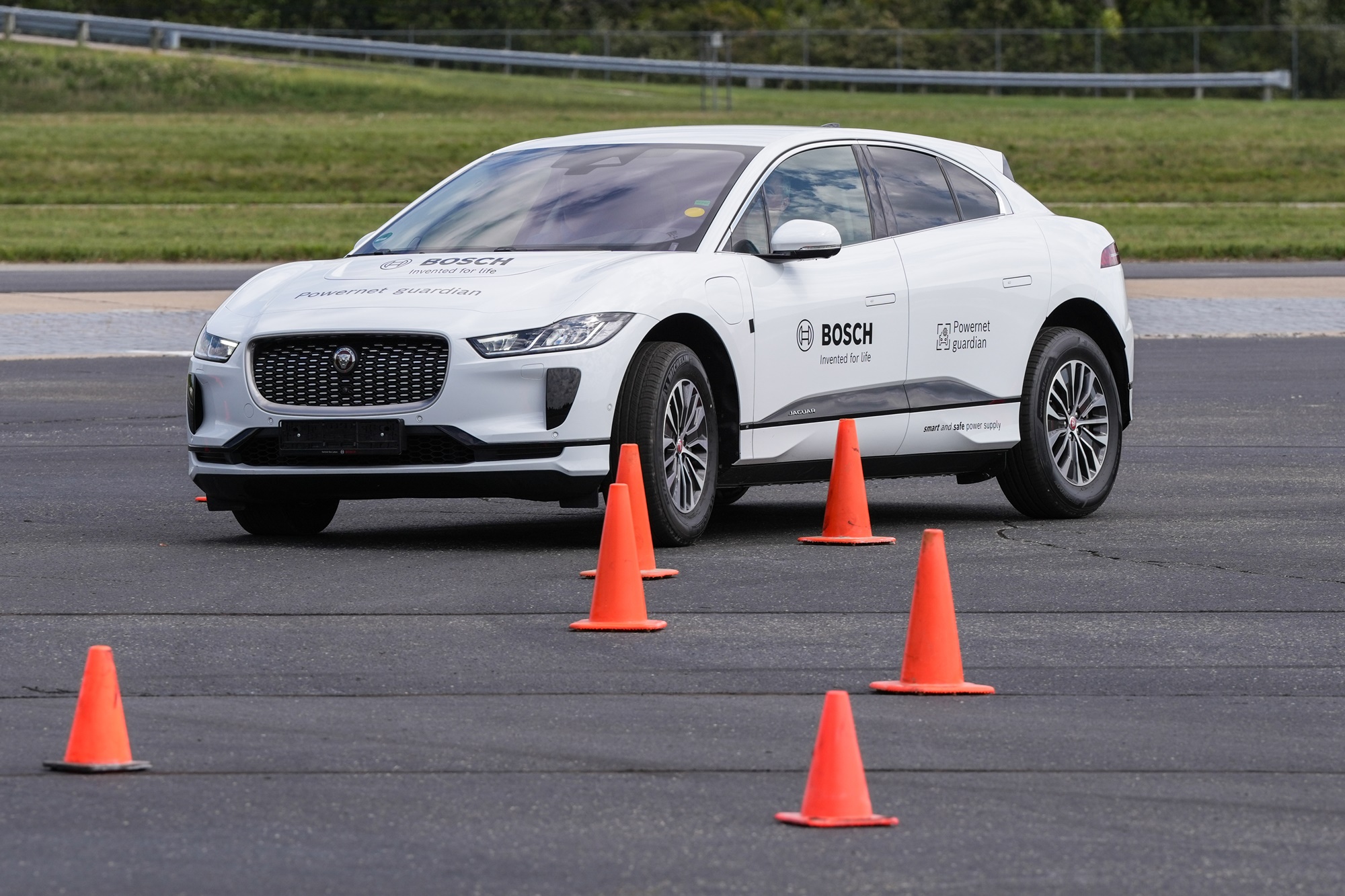
Powernet Guardian takes over if you lose steering assist. (Bosch photo)

The Powernet Guardian demonstration was certainly vivid. It’s a solution for an emergency I’ve actually experienced (in a Chevy Bolt EV)—the sudden loss of power-assisted steering. I drove down a narrow track and suddenly felt complete loss of steering control, sending cones flying. I would have had manual steering, but only with extreme effort. With Powernet engaged, I felt no loss of control, though the screen in front of me went blank. They gave me the blown fuse as a souvenir.

Bosch is moving heavily into the software-defined vehicle, and I talked to Eric Cesa, vice president of ETAS, a Bosch subsidiary that does software and cybersecurity solutions. “People expect their cars to offer the same level of usable technology as their homes,” he said. “They expect a seamless experience.” And because cars typically have a four- or five-year development cycle, their on-board technology can be out of date before the car is sold. That’s why over-the-air updates are so critical to cars going forward, he said. Tesla is now issuing as many as 200 such updates annually, and some automakers are using fewer development vehicles because their on-road performance an be simulated.

Rounding Up the Recent Cars, Summer 2024 Edition

It’s time again for a roundup of recent rides. My neighbors—those who haven’t been wised up already—probably suspect something shady is going on in my driveway, given all the comings and goings. But people up to no good drive a Volvo plug-in hybrid or a Toyota RAV4 Woodland edition? Here are some thoughts on the new test cars.

2024 Volvo XC60 Recharge eAWD Ultimate Dark. Station wagons used to be an affordable form of transportation, but as they’ve morphed into upscale SUVs they’ve also gone up in price. Volvo, once one of the world’s biggest station wagon purveyors, now sells safety-conscious off-roaders like this one for $74,690. For that, the owner gets a big, powerful plug-in hybrid that gets 28 mpg combined in gas mode, and 63 MPGe as a PHEV. The XC60 is all the wagon most owners will need, though the XC90 is also available. Combined, the two-liter turbocharged four and electric motor produce a whopping 455 horsepower and 523 pound-feet of torque. There is 32 miles of electric range. This was a top-of-the-range model, and it met every need. Not a performance car, exactly, but there’s no substitute for a lot of horsepower. The PHEV format is perfect for Volvos, which tend to be weighty because of all their safety equipment—and the test car had the full complement. Drive it mostly in electric mode and there’s very little weight penalty.

2024 Toyota RAV4 Hybrid Woodland Edition. For $37,470, the buyer of this special edition gets a very, very practical and well-equipped vehicle that can deliver 37 miles per gallon combined and transport the family and their dog, with room left over for the luggage. Really, it’s hard to see why families need to spend more and buy something bigger and more powerful. The engine is a 2.5-liter four, putting out 219 horsepower. That’s considered anemic these days, but why are we in such a hurry? The Woodland is a weather package that adds heated front seats and steering wheel, as well as rain-sensing wipers. It’s easy to live with one of these, and the hybrid version is the one to get. You’ll save $2,500 on fuel over five years, compared to the average new car.

2024 Genesis G90 AWD 3.5T E-Supercharger. This is one of the few vehicles, redesigned for 2023, that justifies a price point above $100,000. The bottom line on the test car was $101,400. The electric supercharged, twin-turbo 3.5-liter V-6 produces a hefty 409 horsepower, and is connected to an eight-speed automatic. To shave a bit off the price, you can opt for the 375-horsepower version without the supercharger. The car bristles with high-tech features, including rear-wheel steering to aid cornering, air suspension, and smart hands-free trunk with auto open. The audio system is from Bang & Olufsen. The car not only uses premium materials, it blends them in an overall presentation that far exceeds the competition. It’s quiet as a church in operation, too. As I’ve noted, most consumers don’t really need anything above the level of a Toyota Corolla or a Honda CR-V, but if your needs include wanting to feel like a million dollars, the Genesis G90 has you covered.

2024 Toyota Sienna Hybrid XSE AWD. The hybrid minivan has been a long time coming, with the Chrysler Pacifica Hybrid having the field to itself (at least in the U.S.; Japanese consumers have enjoyed a variety of choices.) The Toyota Sienna and Honda Odyssey are power pair in the minivan category. The 2.5-liter four and electric motor deliver a combined 245 horsepower in this upscale Sienna, which is a lot of van for $52,745. No one buys minivans for stoplight competitions, and this one accelerates in a leisurely watch-the-world-go-by fashion. It’s actually relaxing.

The Sienna is actually hybrid-only at this point. Honda’s Odyssey is going hybrid for 2025 with a system that delivers 204 horsepower and 247 pound-feet of torque. The horsepower figure is lower than the standard Odyssey, but the torque figures are about the same (262 pound-feet in that version).

Vans aren’t known for their fuel economy, but with Toyota’s celebrated hybrid drive this Sienna delivers 35 mpg combined (36 if you forget about the AWD you might not need). If you want to use your Sienna as a hauler (as in my brother’s antique book business), be advised that the second row isn’t removable. But dual power sliding doors make loading very easy.

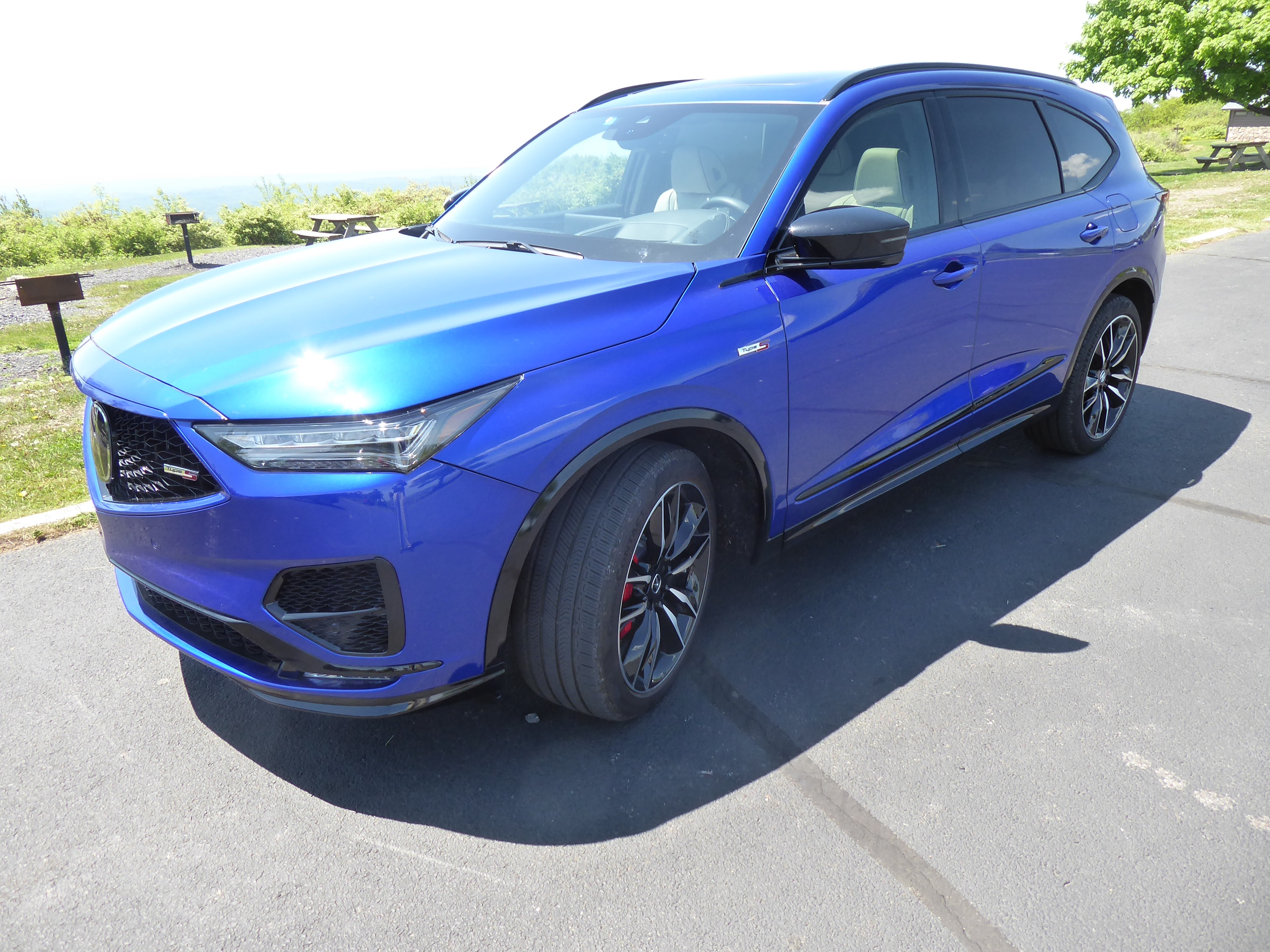
2024 Acura TLX Type S. For 2024, the TLX lineup was revised with this performance variant at the top. Acura has concentrated more on luxury than sport, but this all-wheel-drive Type S boasts a turbocharged, 24-valve three-liter V-6 that produces 355 horsepower and 354 pound-feet of torque. That’s attached to a 10-speed automatic. Brembo does the front brakes, and the Type S adds an exclusive Sport+ driving mode. Torque vectoring can send 70 percent of the power to the rear axle, and all of it to the outside rear wheel. It was genuinely fun to drive, though Acura will have to lure consumers away from their BMWs and Audis. The price of the TLX starts at $45,000.

Genesis GV70 3.5T AWD Sport Prestige. The average price of cars sold to Americans keeps creeping up. In June it was $47,433, according to Cox Automotive. Given that, the $68,870 for this Genesis doesn’t seem so bad, but it’s still a considerable piece of change. It buys a compact luxury SUV that’s about as far from a 1963 Jeep Wagoneer as could be imagined. Luxury SUV was once an oxymoron. Under the hood of this one is a 3.5-liter twin turbo V-6 similar to that in the GV90, but it’s an option in the 70. The engine, coupled to an eight-speed automatic, produces 371 horsepower and 391 pound-feet of torque in this iteration. The Genesis sedan are more to my taste, but this type of SUV has its advantages, not least ease of entry and exit for some of our more senior citizens. As for off-roading, few will take advantage. It’s hard to imagine scratching and dirtying this pretty car.

In the Poconos, a Cornucopia of Cars

The International Motor Press Association (IMPA)’s “Spring Brake” event is a chance, in warm weather, for auto journalists to drive a wide cross-section of new cars. The setting May 21 was the Camelback Resort in the Poconos, skiing in the winter and a water park in the summer. The idea was simple: Drive the cars up the mountain to the parking lot at the top, then drive them back down again. Repeat with another car. Here’s a rundown of the drives:

Mazda CX-90 Premium Plus. The Premium Plus CX-90, the top of the line, starts at $57,325. The model replaces the less-high-end CX-9. Mazda is not known for luxury cars, and the CX-90 is a conscious effort to offer a competitive three-row SUV, but it doesn’t stand out in a crowded field. Automakers were eager to get rid of the inline six (in favor of V-8s) in the mid-1950s, but it’s literally a badge of honor in this model. The 3.3-liter engine is turbocharged, with versions offering 280 or 340 horsepower. Handling was not all that agile on the mountain roads, especially with the company showing what it can do with its ever-popular Miata. Also sampled was the CX-50 Turbo Meridian Edition ($42,670) which seemed a happy compromise between utility and performance.

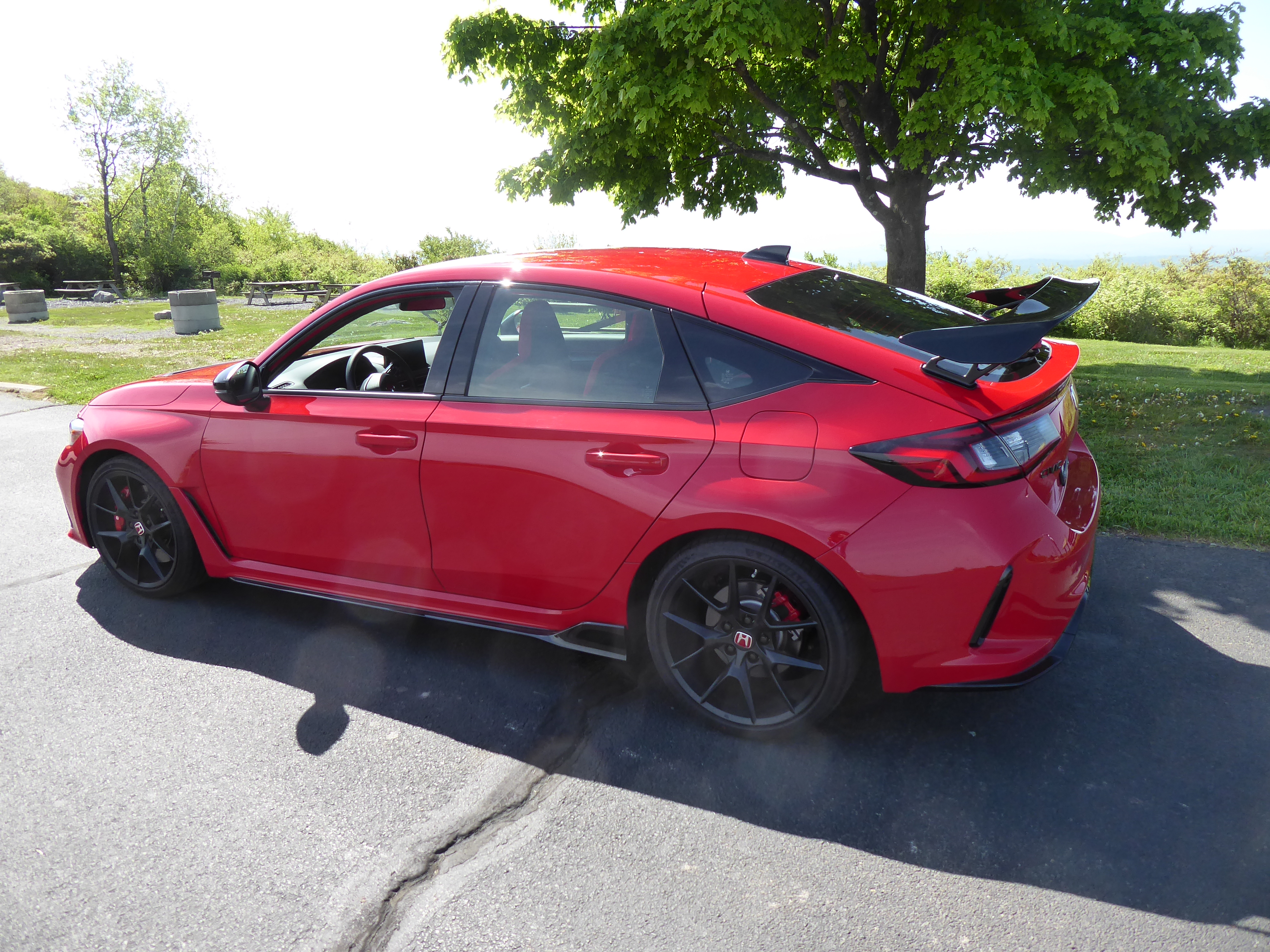
Honda Civic Type R. The car, resplendent in bright red, was a throwback of sorts. Few manufacturers are offering hot hatchbacks with manual transmissions these days. The Type R starts at $45,890, which is of course exorbitant for a Honda Civic, but not so bad when considering the performance. The car sure looks the part, with spoilers, hood scoops and air dams in profusion. The bright red seats wear red seatbelts and sat on red carpets, and red also shined through the wheels from the Brembo brake calipers.

The turbocharged two-liter four is a popular engine globally, and in this configuration it yields 315 horsepower and 310 pound-feet of torque, enough to get it to 60 in less than five seconds. And it handled beautifully through the mountain curves. Every bump is felt through the steering wheel, which is a good thing if you like your car to communicate its experiences. But speed bumps felt like mountains. The car was also kind of noisy, which might make it a bit trying as a daily commuter.

Lucid Air Pure. These EVs do everything so well, and with such performance, that it’s hard to see the added value of the traditional supercar. The Air Pure is the single-motor version, starting at $71,400—the cheapest Lucid. And yet it showed the same quality materials as the upper trims, which peak at the $250,500 Sapphire (capable of sub-two-second zero-to-60 times). The Pure, with its motor driving the rear wheels, offers an impressive 430 horsepower and 4.3-second zero-to-60 times. It’s full of thoughtful touches, such as the below-floor storage in the trunk, the 12-way power seats and the neatly integrated central screen. The 92-kilowatt-hour battery pack yields 410 miles of range. If the battery runs low, it can recoup 300 miles of range in 21 minutes at a fast charger.

The Pure felt like a smaller car on the hillclimbs. Lucid, whose funding was recently replenished with $3 billion from stock sales and the Saudi private wealth fund (which owns 60 percent of the company).

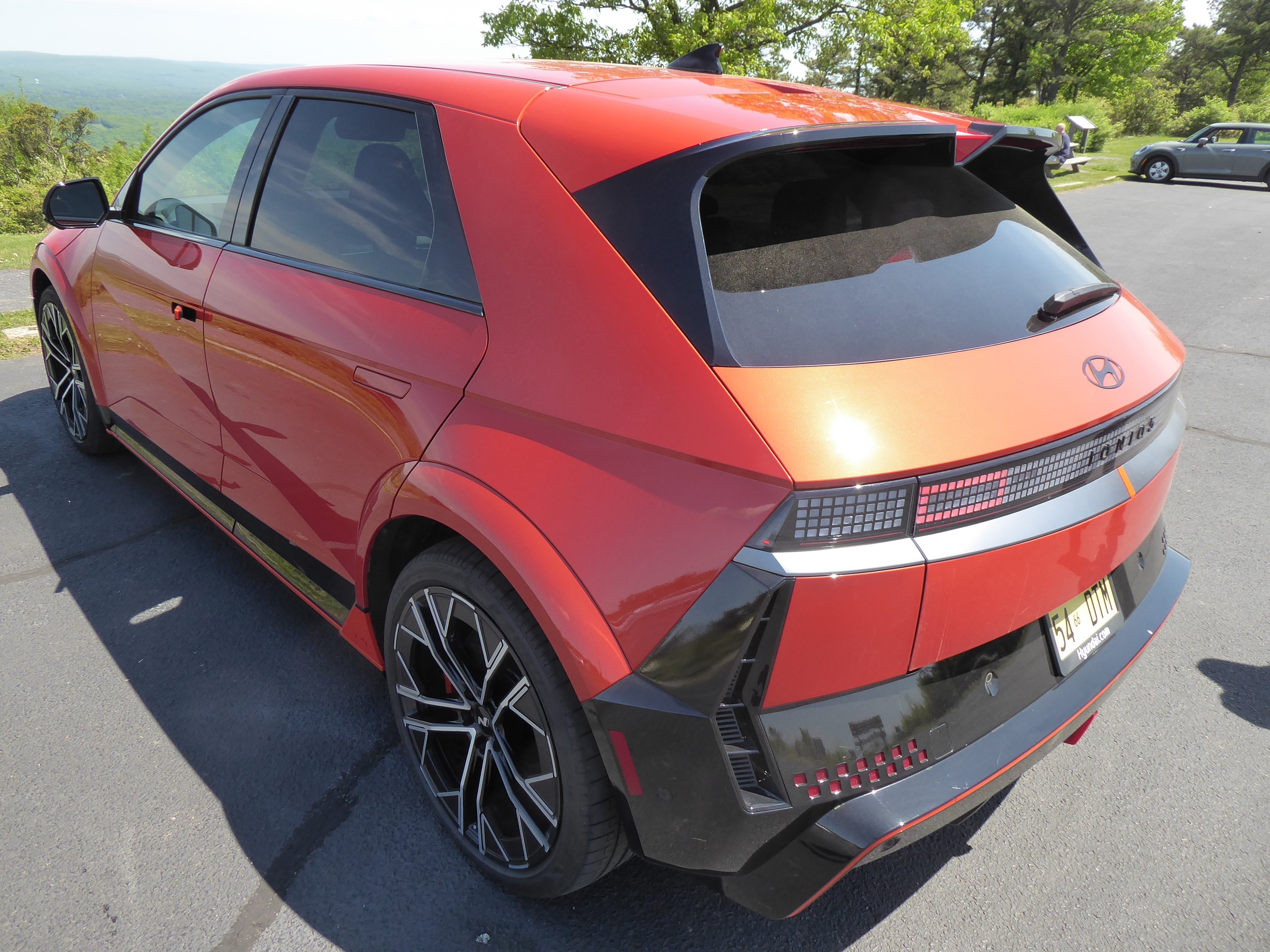
Hyundai Ioniq 5N. Consumers will pay a premium to buy the performance version of the Ioniq 5 electric car, $67,475. But the money buys access to as much as 641 horsepower. With two electric motors the baseline is just over 600 horses, but the N Grin Boost feature (activated by a big red NGB button) temporarily (up to 10 seconds) pushes that up to 641. The styling is very much from the same styling school as the Honda Type R—full of big wheels and sticky tires, with spoilers, fender flares and go-faster protrusions galore. You either love it or hate it. The cabin is more subdued than said Honda, and quite tasteful.

Acura MDX Type S SH-AWD. The three-row MDX is a bestseller for Acura, considerably outselling the two-row RDX. The Type S, starting at $68.450, is the sporty version, if that’s not a contradiction in terms when discussing a big SUV. The three-liter turbo V-6 engine produces 355 horsepower and 354 pound-feet of torque (a gain of 65 hp and 87 pound-feet over a standard MDX). The SH-AWD stands for “Super Handling All-Wheel-Drive System.” The car was nicely appointed and finished, with a nice-sounding ELS Studio sound system. Second-row passengers get useful climate settings. The mountain road was probably not the best place to test out its capabilities, but it did not resemble a sports car in any fashion.

 Genesis G70 3.3T AWD. This kind of luxury sedan is more something I can see in my garage. All the Genesis cars are impressive, and there’s no sense that there are two levels above this one—the G80 and G90. The only compromise is rear-seat legroom in this more compact car. The G70 was refreshed in 2022, and sports a 300-horsepower, turbo 2.5-liter four in base form or, as tested, a 365-horsepower 3.3-liter V-6. You’ll pay $51,700 to get into that power plant. This car seemed to have just about everything, quiet when needed, a top accelerator when that was needed. The Lexicon stereo was nice, as was the two-tone beige-and-black interior. The G70 is in BMW and Audi territory.

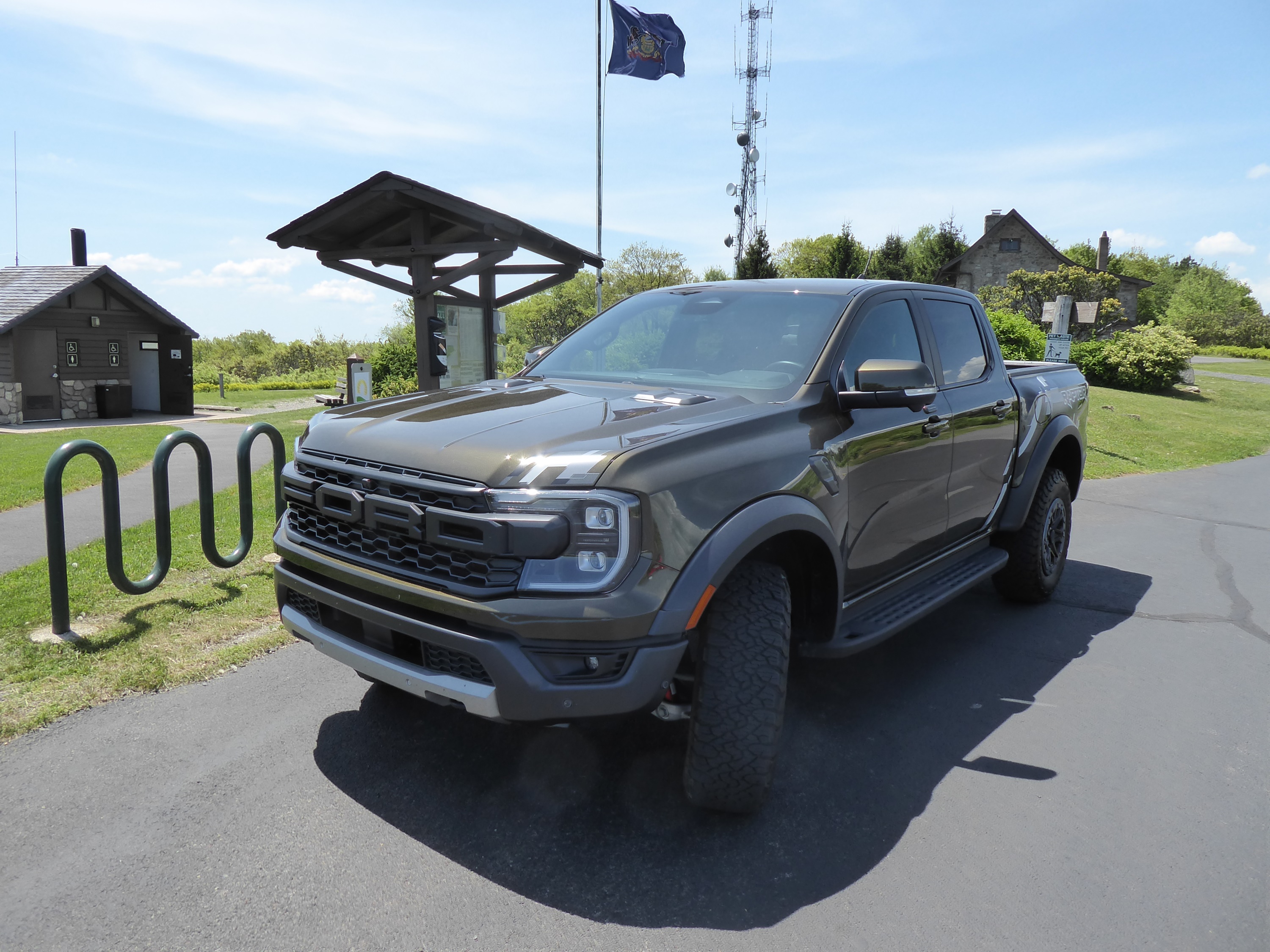
Ford Ranger Raptor. I’m pretty out of the demographic for this one. The only truck I’ve admired recently is the Ford Maverick (hybrid version), and the Tremor version of that one, on the stand here, was always being driven by someone else. The $57,065 Raptor is very boy racer, and hard to see as an actual work vehicle. Its twin-turbo V-8 produces 405 horsepower and 430 pound-feet of torque. It’s only available as a crew cab, with a smallish five-foot cargo area. The big knobby tires gave it a very rough ride, especially on acceleration, and it was noisy as all heck. But that’s what these buyers want, isn’t it? The interior was on the garish side, dominated by a big vertical 12.4-inch center screen.

Toyota RAV4 Hybrid Woodland Edition. This wasn’t actually on the Toyota stand; it’s the car I drove to the Poconos. I just wanted to put in a word. For $37,470 in the Woodland version, the owner gets a really reliable and versatile small SUV that can deliver 37 mpg overall. Great suite of safety features. The 580-mile cruising range meant we could drive it up to Boston and back without visiting a gas station, and the trip to the Poconos was similar.

Testing the 2024 SUVs, Hybrids, EVs and Performers

As most of you know, I write about cars for a living. While the money isn’t spectacular, the fringe benefits include review cars for the week. If I was a movie critic, I’d get into films free. When I tell people about this, they say, first, “How did you get that job?” Then they think a bit and say, “I could do that job.” Who knows, maybe they could, but I’m the one who gets the keys, at least right now.

Here are quick hits on some cars that have been in my garage recently, all 2024 models:

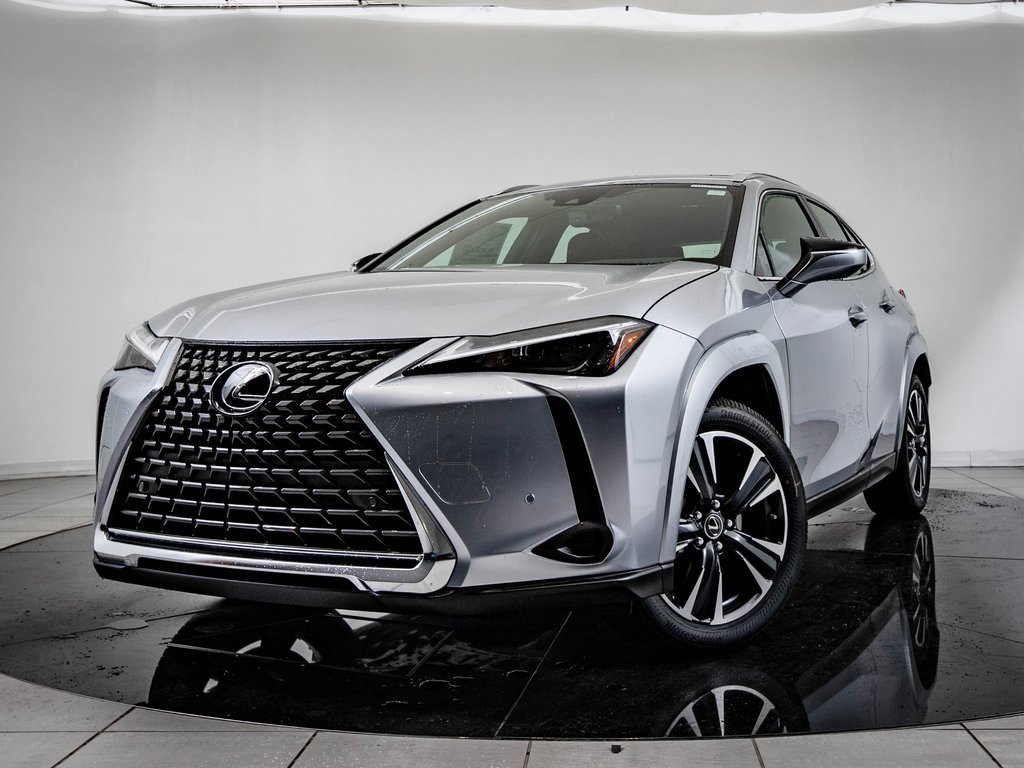
Lexus UX 250h F Sport Premium. Hybrid SUVs hit a sweet spot in the market right now, so an upscale off-roader that gets good fuel economy (42 mpg combined) will undoubtedly attract tire kickers. The small size makes it easy to park but rear-seat passengers might want something roomier. The hybrid drivetrain produces 181 horsepower, yielding a car with fairly leisurely acceleration—around eight seconds to 60. The F Sport hybrid (above) starts at $44,120.

Lexus RX 500h F Sport. This one’s interesting, a biggish crossover SUV that’s been set up as a performance car. A bit schizophrenic, that. And the styling is a bit ungainly. But the car sure moves out. With a 2.4-liter turbo four and a pair of e-motors, there’s 366 horsepower and 406 pound-feet of torque. That’s a 91-horsepower upgrade from any other RX. The 500h can get to 60 mph in just 5.5 seconds. Given the luxury appointments and size, it’s not surprising the car weighs more than 4,700 pounds. It’s pricey at a starting price of $63,800.

Adding to the bottom line are some options you might want, including the Mark Levinson infotainment system, which includes a 14-inch touchscreen and updated navigation ($2,265). Unless the kids get cold easily, skip the heated rear seats ($1,230).

Volvo XC40 Recharge Twin Ultimate and XC60 Recharge eAWD Ultimate Dark. Volvo is in a good position to support customers who want to go green, with either battery electrics or plug-in hybrids in several sizes and prices. There’s also the Polestar offerings, with related powertrains, to consider (both companies are owned by China’s Geely). The specs on the XC40 (above) are impressive—293 miles of EV range, fast-charging capability of 10-80 percent in 28 minutes, and 402 horsepower on tap. It can reach 60 mph in 4.6 seconds. The Volvo is attractively styled, inside and out, and a very comfortable cruiser. Google is built in, and there’s an onboard air purifier. It’s a quite nice approach to electrification with seating for five, but rather pricey at $53,745 (the Core model; for the Ultimate version with updated Harman Kardon sound and adaptive cruise, it’s $60,095).

The XC60 Recharge is a plug-in hybrid that wrings 455 horsepower and 523 pound-feet from a two-liter four-cylinder turbo motor and a pair of electrics for AWD. The EV range is 35 miles, but the whole car will go 560 miles without needing to stop—a big advantage of PHEVs. It’s impressive that the XC60 Recharge delivers 63 MPGe but moving all that weight without electric assist yields 28 mpg. In normal operation you should save $1,500 in fuel costs over five years, compared to an average new car.  The SUV is quite luxurious inside, with features like Nappa leather and a crystal glass gear shifter. There are lots of thoughtful touches, and also Volvo’s state-of-the-art safety tech. Rear seat passengers will have plenty of legroom, and also heated seats. This is another pricey one at $67,850. The Ultimate Dark option produces a blackout treatment.

Toyota Highlander Hybrid Platinum Hybrid AWD. Toyota’s strategy of concentrating on hybrids and PHEVs is starting to look smart in the current marketplace. And the Highlander Hybrid (above) is going to win over a lot of fans. The hybrid drive (the same one that’s in the RAV4 Hybrid) yields 36 mpg combined. It can reach 60 mph in a bit over eight seconds, so no speed demon—but who buys a Highlander for performance? Frankly, if you’re buying a Highlander there’s no reason not to get the hybrid version, because there are no compromises in the passenger compartment or roadability, just a modest bump in the price. Don’t expect a roomy third row, but the Highlander is quite utilitarian otherwise. Families, unless they took Cheaper by the Dozen literally, are likely to love it. The LE starts at $40,970. The up-market Platinum (like the test car) is $51,425 before additional options.

Hyundai Kona Limited AWD. Hyundai and Kia are on a roll in 2024, producing some of the best cars in the world, beautifully styled and highly functional, at an attractive price. The Kona (above) is a good entry point, and even in its top form, the Limited, it’s still only $33,175 (the base model is $25,625). The extra money gets the upmarket 1.6-liter turbo motor that’s good for 190 horsepower. There’s an attractive cabin with a pair of 12.3-inch displays that sit together in a wide oval pod. The accent lighting is neat.

The Kona was updated for 2024 with a longer wheelbase and thinner front seats, which combine to make the back seat more comfortable. The fuel economy could be better: it’s 24 mpg city and 29 highway.