New Models Enter the Car Market at a Pivot Point

We are at a pivot point in the auto industry, with both the electric and self-driving revolutions somewhat stalled, and Trump tariffs making it difficult for consumers to know what they should do. There’s a brief window when it’s still possible to get the $7,500 federal income tax credit when buying a made-in-U.S.A. EV, but it’s going away September 30. In the meantime, automakers are still churning out new EV models—I’m at a Subaru EV rollout as I write this

So, let’s delve into what’s new in my garage, electric or otherwise.
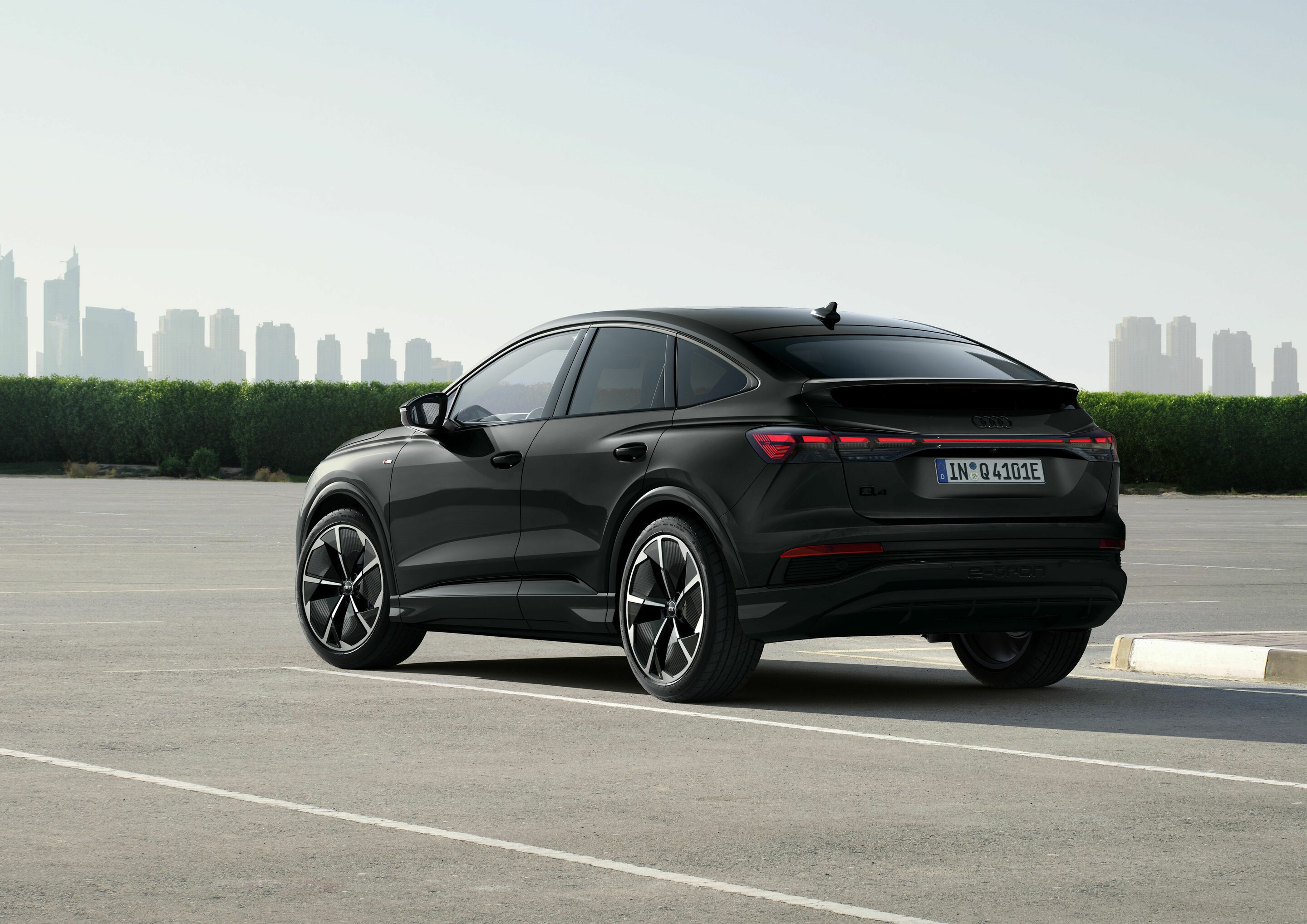
2025 Audi Q4 e-tron Prestige and 2025 Audi SQ6 e-tron Prestige. Audi’s electrics didn’t do well in the second quarter of 2025, and the Q4 e-tron was down 48.7 percent year over year, from 2,430 in 2024 to 1,247 in 2025. But it sure sold better than the A6 e-tron, with just 179 sold.

The Q4 in this guise is a compact electric SUV with 335 horsepower from its electric motor and up to 332 miles of range. The starting price in this Prestige edition of $63,095. It’s fairly pricey, and even the cheapest Q4 is over $51,000. I suspect it’s price that’s holding this model back, because it’s a quite decent small EV otherwise, with quality materials (leather and wood are standard) and a nice driving experience. There is 26 cubic feet behind the rear seats, and 54 feet with those seats down.

The SQ6 e-tron is built on the same platform as the Q6 e-tron (3,716 sold in the second quarter) but with a dual-motor set-up that offers as much as 510 horsepower. While the car was great fun to drive (with 3.8 seconds to 60), the added pep sacrifices range—up to 46 miles. The Prestige is $80,595. The range is 275 miles, not exceptional, but it is somewhat mitigated by fast 270-kilowatt charging.

2025 Lexus LX 700h Overtrail. Lexus is on a roll among the Japanese luxury brands, especially compared to Nissan’s Infiniti. But the LX 700h isn’t set up to float my boat. It’s a hybrid from the leader in that technology, but fuel economy in this big boat isn’t the goal. It has a combined EPA rating of only 20 mph, which is just marginally better than its non-hybrid counterpart. Hybrid tech belongs in light, aerodynamic cars—it’s kind of wasted in this luxurious 6,283-pound seven-passenger SUV.

It’s impossible to hate cars like this, because they’re so cosseting to drive. But they don’t pass a lot of gas stations. The car as tested was $118,010, which buys a powerful 457 horsepower from a 3.4-liter twin-turbo V-6 coupled to a 10-speed automatic. It can tow 8,000 pounds.

Every possible luxury feature was present, all of them standard, from leather-trimmed seating to heated steering wheel, a cool box and an auto door closer. It’s kind of the equivalent of an off-road 1959 Cadillac. Which does have its appeal.
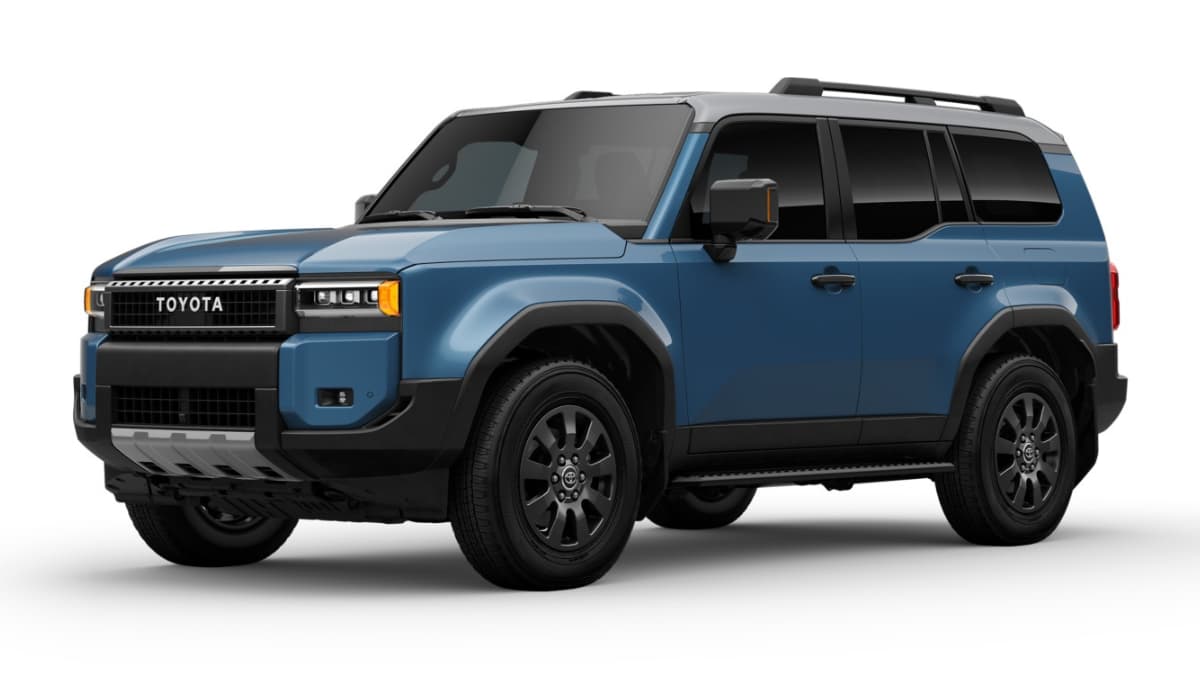
2025 Toyota Land Cruiser and 2025 Toyota 4Runner TRD Sport. More Toyotas. The company covers every possible American niche, even those that must be mystifying in the home market.

The Land Cruiser starts at $58,195, and Toyota is to be commended to making it a hybrid instead of a gas-guzzling V-8. The turbo 2.4-liter four gets two electric motors, which combine to make an impressive 326 horsepower. The setup is shared with the popular Tacoma truck. The two motors yield all-wheel drive, and the car has an eight-speed automatic.

Again, this is a hybrid that’s far from a fuel champ, making 23 mpg combined. If you like rugged 4WD vehicles then the Land Cruiser has always been a sensible choice, and it bristles with trail gear. But if you really don’t go off-road much you shuld consider something more oriented to pavement.

The Tacoma is also parent to the sixth-generation 2025 4Runner TRD Sport I tested in Wind Chill Pearl. It has a similar 2.4-liter turbo engine, but makes 278 horsepower with 317 pound-feet of torque. An eight-speed automatic is attached. With this combination, fuel economy is even worse than the Land Cruiser, at 21 mpg combined.

As tested, the 4Runner TRD Sport was $49,725 (barely up from its $49,250 MSRP). The only option was premium paint. The 4Runner has been generally reliable.
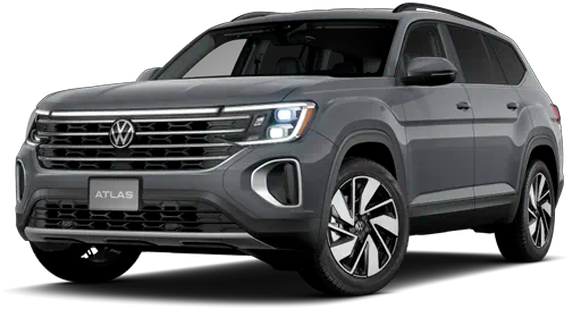
2025 Volkswagen Atlas SEL Premium R-Line. The Atlas as tested (and built in Mexico) was $55,325. This is the highest trim, and it comes with all-wheel drive. The powertrain in all versions is a 269-horsepower in-line four with an eight-speed automatic. The 7.3-second zero to 60 time is not impressive. The three-row Atlas offers very good cargo space, though, and it feels well-built. But despite the four-cylinder engine, fuel economy is nothing to write home about, coming in at 20 mpg I the city and 27 on the highway, and with the AWD that everyone seems to want it drops to 19 city and 24 highway.  At this price, any number of other automakers’ models are competitive.

2025 Hyundai Tucson Limited AWD. The Tucson is Hyundai’s bestseller, and it’s offered with a 2.5-liter direct-injected four-cylinder engine with 187 horsepower and 178 pound-feet of torque, coupled to an eight-speed automatic.

Go hybrid and the 1.6-liter turbo gas engine produces 178 horsepower and 195 pound-feet, but the hybrid system takes it up to 231 total horsepower. The hybrid has a 47.7-kilowatt electric motor and a 1.49-kilowatt-hour battery, with a six-speed transmission. And then there’s a plug-in hybrid variant, with a more powerful 72-kilowatt motor, 268 horsepower and 258 pound-feet. The hybrid battery is 13.8 kilowatt-hours.

All this choice is very welcome, and it’s what smart automakers do, along with frequent upgrades. The current generation of Tucson was introduced in 2024. Prices start at $28,075.
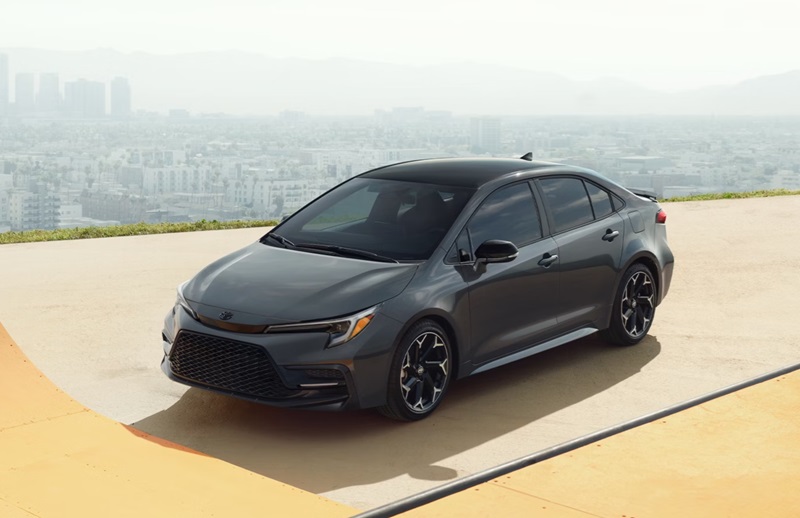
2025 Toyota Corolla FX. This is the gold standard of Toyotas for me, as my first job was preparing Corollas for sale at a Toyota dealer. The outlet’s big brand was Dodge, but today it’s an all-Toyota enterprise. That’s progress! As tested, it was $29,289, a very reasonable price for an automobile in 2025. It’s a hot hatch, with 169 horsepower and stellar 31.39 mpg fuel economy. The two-liter four offered plenty of passing power. I was actually quite taken with the latest incarnation of the Corolla, and would gladly have kept this one over in the Motavalli garage.

In These Tariff Times, the New Models Reviewed

The auto industry is heading through hairpin turns with no brakes, as the Trump auto tariffs seemingly change daily. We are now told that imports from England, which were in the worst possible position in terms of U.S. production, are now in the catbird seat because of a U.S.-U.K. trade deal. Now the first 100,000 imports per year (meaning, almost all of them from Great Britain) will have only a 10 percent tariff). Meanwhile, Chinese tariffs are paused for 90 days, but cars still face 25 percent duty. By the time you read this it could all be different. It makes it difficult, indeed, for automakers who just want stability. But the new cars keep coming out, and I keep reviewing them.

Lexus NX 350 F Sport AWD and Lexus UX 300h AWD. Lexus’ NX family includes two cars with gas engines, one hybrid drivetrain, and one plug-in hybrid. This relatively small crossover tested in sporty 350 F Sport guise (above) had the optional 2.4-liter turbocharged inline four-cylinder engine with 275 horsepower and 317 pound-feet of torque, connected to an eight-speed automatic. F Sport includes a more performance-oriented suspension tune, a 14-inch touchscreen and upgraded climate control, but you still have to pay extra for a big sunroof, heating in the rear seats, and the top-grade audio. The car was quite nice without an enormous wow factor, and the 28 miles per gallon on the highway was appreciated. Premium fuel is a “recommendation.”

The UX 300h AWD subcompact luxury crossover is more my speed, as it’s powered by the state-of-the-art Prius drivetrain, the Atkinson-Cycle two-liter four with two or three electric motors (the latter, as in the tester, if you want AWD). For 2025, there’s an extra 15 horsepower. With two motors expect 43 mpg combined, and with three a very minor loss at 42 mpg. Zero to 60 is less than eight seconds. The starting price: just under $40,000.

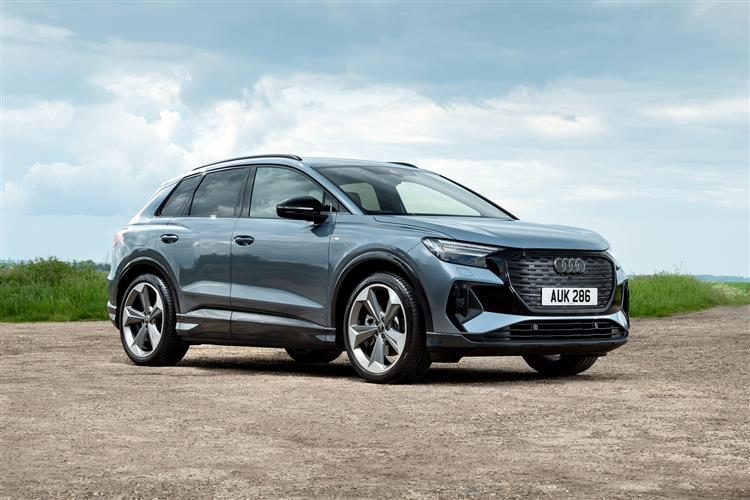
Audi Q4 e-tron Prestige. The Prestige (above) is near the top of the Q4’s model line, starting around $63,000. That buys a powerful electric crossover with 335 horsepower and a so-so range of 258 miles. These days, 300 miles is a safer number. As is often the case, this e-tron emphasizes performance over range, and it can reach 60 in five seconds. The car is quiet, and its cabin very tastefully appointed with quality materials. A more aggressively styled Sportback version is available.

Genesis GV60 Performance AWD. The trio of Hyundai, Kia and Genesis have been acing the EV market, and Genesis’ GV60 is a compelling SUV choice up against cars like the Audi Q4 above. Genesis offers the luxury approach to electric motoring, and up to 295 miles of range, as well as 483 horsepower (from Boost Mode) in this Performance trim. The cabin is utterly stylish, with twin 12-inch screens and a science fiction shifter that’s hugely cool and also very functional. But it’s a $71,000 car. Lesser trims might work just as well for your needs, though no versions are cheap—prices start at $53,800 for the Standard model (with a single motor and 225 horsepower).

Hyundai Elantra N and Santa Fe XRT 2.5T AWD. Sport sedans have been an endangered species, but they’re starting to come back. Hyundai’s Elantra N (above) has much to recommend it, including looking the business with its blackout trim, rear wing, diffuser, and contrasting color stripes. The N Line is a different car. The N is the real deal, with 286 horsepower, a stiff suspension and either a six-speed manual or an optional automatic. Other cars in this class include the Honda Civic Type R and the Toyota GR Corolla. There’s even a turbo Mazda 3 out there.

The current version of the Santa Fe is one of the most sharply styled SUVs on the market, and the performance matches the looks. You might want to investigate the hybrid version, but the tester had the2.5-liter turbo four, producing 277 horsepower and getting it to 60 mph, through an eight-speed dual-clutch transmission, in just over six seconds.  

The redesign puts the Santa Fe into the third-row category, and both legroom and cargo area have grown. The interior refresh was done quite well, with a modernist designer feel. Both the second and third row fold flat. With all three rows engaged, the Santa Fe has 14.6 cubic feet of storage out back. The tested XRT AWD version isn’t the best for fuel economy—19 in the city and 26 on the highway. In just rear-wheel drive form it can get 29 on the highway. The XRT starts at $42,425, mid-pack in a lineup that starts with the SE at $35,775.

For a price in the same ballpark, you can buy the hybrid version of the Santa Fe, which uses a turbo 1.6-liter four and an e-motor to produce 232 horsepower. I’d get that one, because the fuel economy goes to 36 mpg city and 35 mpg highway without much of a performance sacrifice. The SEL version starts at $39,275.

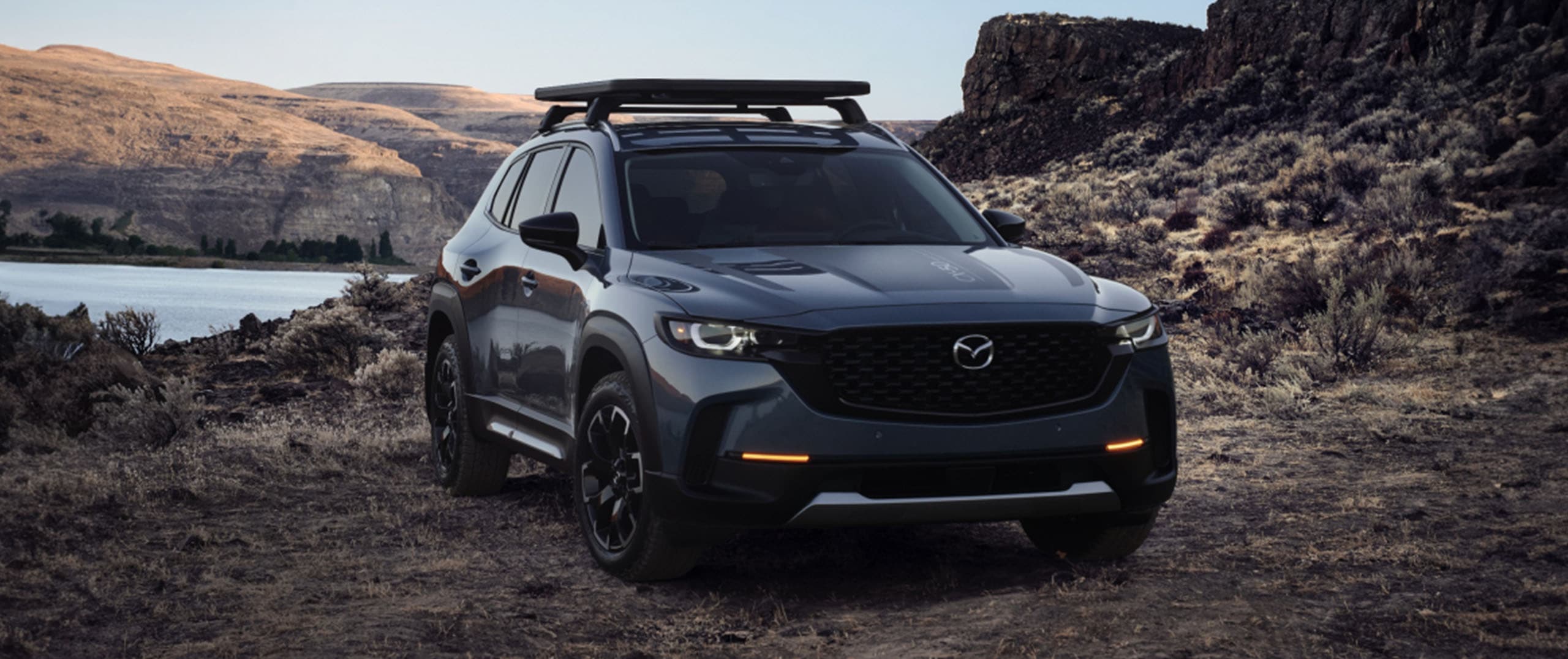
Mazda CX-50 Turbo Meridian Edition. As tested, $42,070, the CX-50 was a well-equipped and nice-handling crossover that in Meridian trim (above) comes with a sunroof and heated leather seats. All CX-50s are AWD. The base four puts out 187 horsepower, but that jumps to 256 in the turbo four that’s standard in the Meridian. This version also includes upgraded towing to 3,500 pounds. The tested car was impressively equipped for the money, and the only optional extra was $450 for gray metallic paint.

Mazda builds a hybrid version of the CX-50, using a powertrain that’s also in the Toyota RAV4. The 2.5-liter four uses three e-motors, producing a combined 219 horsepower. If you can live with 7.5 seconds to 60, it’s the better option, with 38 mpg combined and not much sacrifice in terms of drivability. Pricing starts at $35,840.

Volvo S60 Recharge eAWD Ultimate Dark and Volvo XC60 T8 AWD Polestar Engineered. The plug-in hybrid drivetrain is proving very popular with consumers—who are still cautious about going full electric. In the S60 Recharge, Volvo offers a comfortable sedan with a two-liter four-cylinder engine, an electric motor and a relatively big 18.8-kilowatt-hour battery that together generates 455 horsepower and 523 pound-feet of torque. The big battery enables 41 miles of travel on just electric power. That leads to a combined hybrid mode fuel economy of 31 mpg. And at least until Congress repeals the $7,500 federal income tax credit for EVs (which it seems intent on doing), this one is eligible.

Consumers won’t be dissatisfied with this very comfortable, safe, nicely appointed sedan, which in T8 form can reach 60 mph in an impressive 4.3 seconds. The big issue is the price, since the base Core version of the S60 Recharge is $53,295. And the T8 Ultra Black top trim is just shy of $60,000.

The XC60 T8 AWD Polestar Engineered (above) starts at a whopping $76,545. If you must have an SUV, this is a good plug-in hybrid alternative, with 35 miles of electric range. The XC60 and 90 carry a lot of safety tech and are relatively heavy cars, and this one perhaps needs its 455 horsepower to give good performance. This one won’t get the federal rebate, even if it’s available, but it could qualify for local incentives.

I had some stuff to move, and for that the 2024 Toyota Tacoma Trailhunter Double Cab came in handy. Trucks like this are proof that the Japanese can build work vehicles that give the impression they were born in Texas. I’ve never owned a truck, but I love to borrow them.

Winter Wagons: Seasonal Rides for the Whole Family

By Jim Motavalli

It’s interesting that all of these tested cars are either commodious SUVs or station wagons. Every one is a good winter car, while the Porsche and Miata hibernates in the garage. And note how many of them are hybrids or EVs. The old paradigm is shifting.

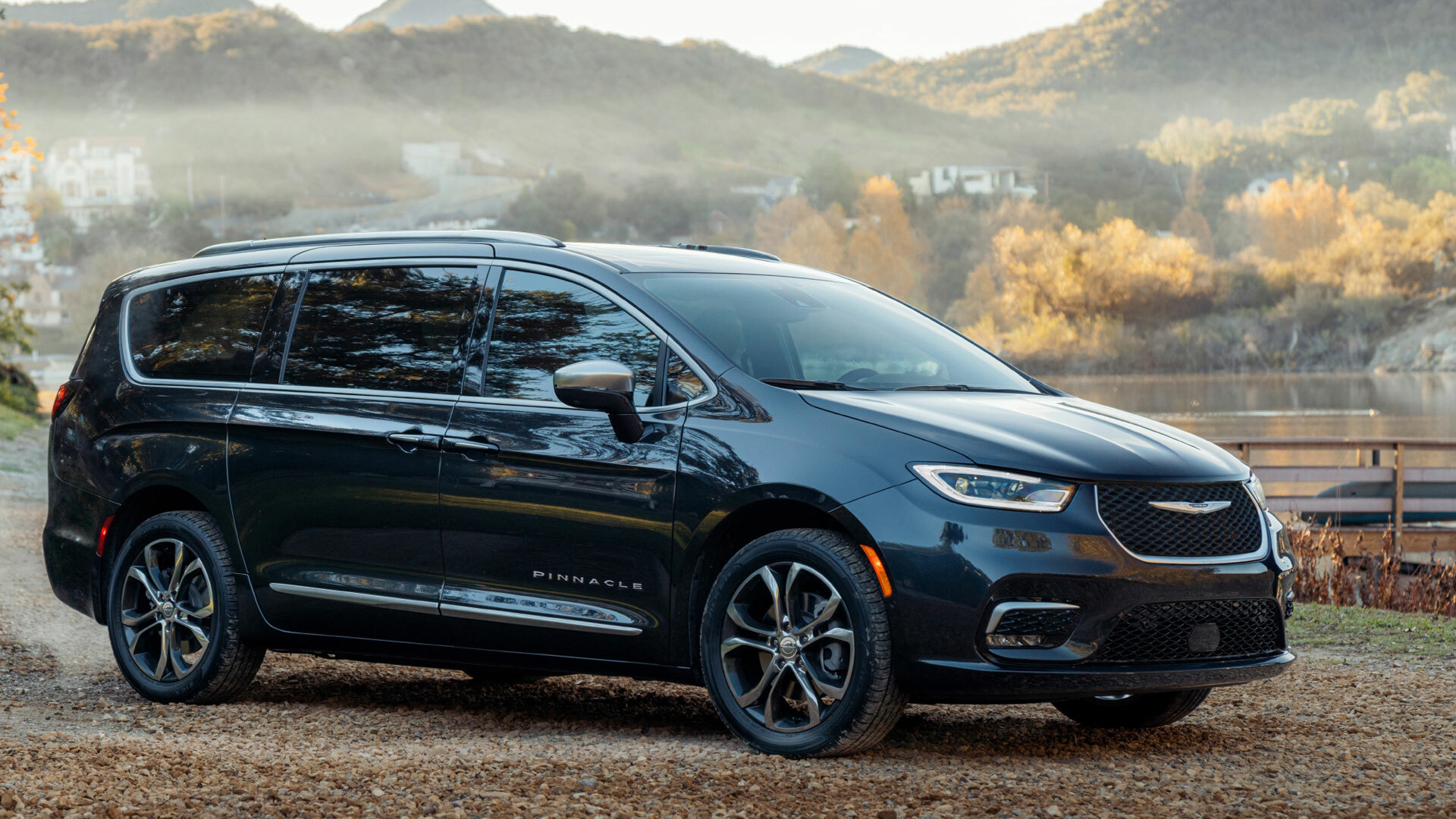
2024 Chrysler Pacifica Hybrid Pinnacle. I have a soft spot for this minivan (actually, for all minivans) and the Pacifica gets special kudos as the first hybrid of its kind. It’s no longer unique, because the very mainstream Toyota Sienna now only comes in a hybrid configuration, as does the Kia Carnival (see below). Unlike the Sienna and Carnival, however, the Pacifica plugs in, and gets 32 miles of EV travel before it has to revert to the gas engine.

The hybrid dispenses with the Stow ‘n Go third-row seats from the standard Pacifica, and that’s a loss. On the road under V-6 power, the Pacifica doesn’t feel all that refined, but then neither does the Toyota Prius. Entry and exit are easy, and the controls are familiar and easy to use. Legroom is good for six-footers.

The Pacifica is quiet under electric power, and rather noisy with the gas engine running. Overall, it’s a good choice if you want both a plug-in hybrid and three-row minivan convenience. The Pacifica came in at $61,685, which is hefty for a minivan. But it offers 30 mpg combined with just the gas engine, and a stellar 82 with the hybrid. It will take a while to pay back the premium price, but it’s still a good choice.

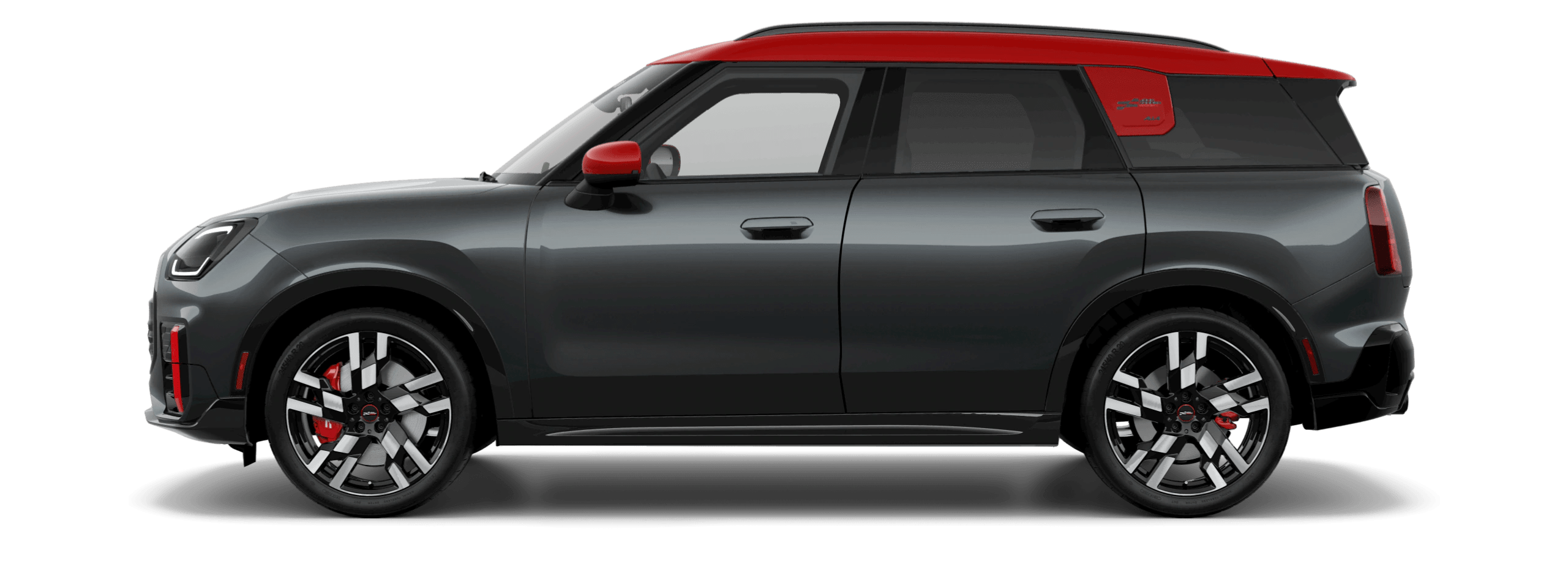
2025 Mini John Cooper Works (JCW) Countryman ALL4. The whole point of the Mini, when it was introduced in Great Britain circa 1959, was that it was cheap and cheerful. That year, you paid $1,340 for a 10-foot-long bare-bones automobile that, with an 848-cc engine, could deliver 40 mpg. Even with inflation, it was a car everyone could afford. Well, car prices have crept up and the new Countryman as tested was $51,995. That’s a big jump! To be fair, you can get into a new Mini quite a bit cheaper. The starting MSRP is $28,950.

That said, there’s a lot of car here. John Cooper was an early Mini tuner, and he’s done proud in this iteration. The JCW is on the platform of the BMW X1 M35i, and it offers all-wheel drive from a turbo four, an eight-speed double-clutch transmission. and 312 horsepower. Plus, it’s sort of a station wagon (another favorite format of mine) when they’re getting scarce. Driving the Mini is quite fun, even on the longer trip I undertook, and the interior is up to the Mini’s avant-garde standards—complete with center-mounted and colorfully lighted central display. The original Countryman offered woodie accents, and alas the retro touches don’t go quite that far in this incarnation.

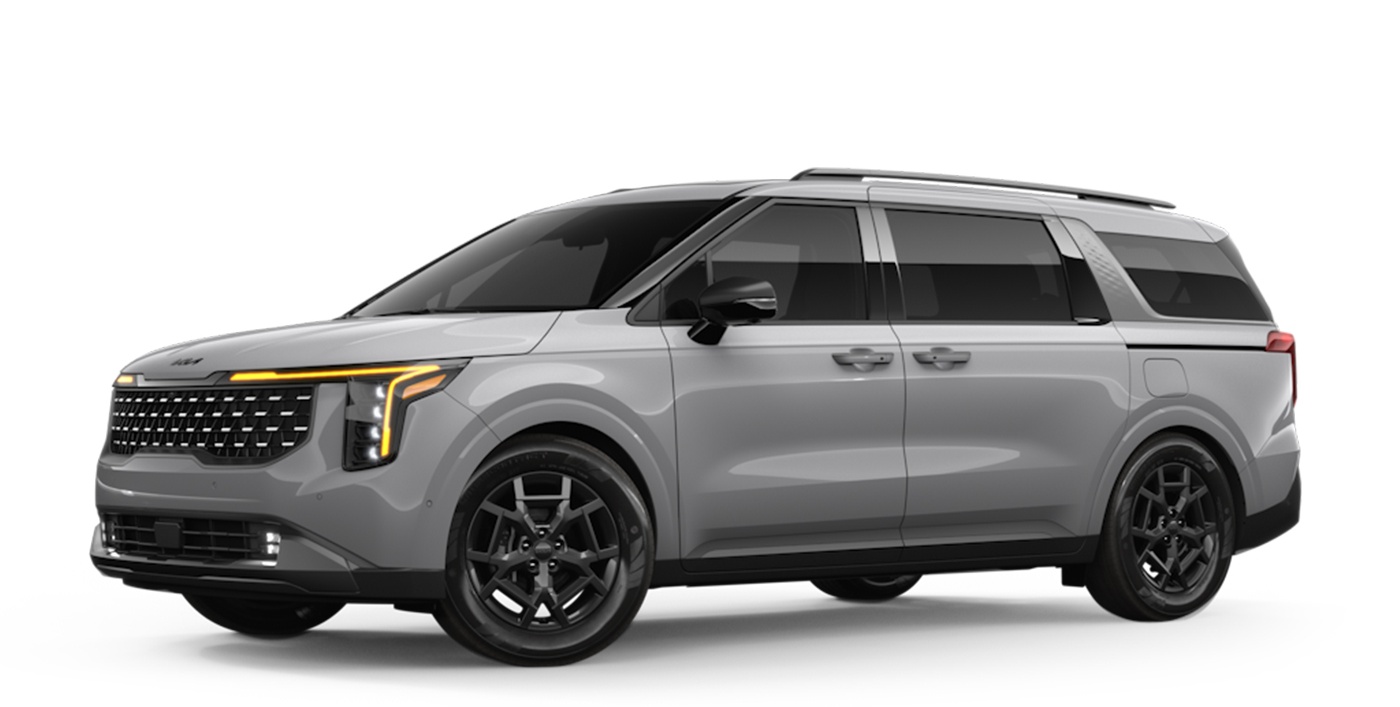
2025 Kia Carnival Hybrid SX Prestige. Kia has hopped into the hybrid minivan sweepstakes with a configuration that makes a lot of sense—a turbo 1.6-liter four, electric motor and six-speed automatic taking the place of the non-hybrid’s V-6 and eight-speed auto. There’s just the one motor, so no AWD version is offered—the Sienna has that.

Kia and Hyundai usually hit what they’re aiming at, and that’s definitely true here. It was a fine minivan to spend a week in, and it passed quite a few gas stations. The second-row reclines in a useful way, and kid-pleasing rear-seat electronics are offered. The Prestige version is at the top of the model lineup, and came in at $57,255. The price includes a truly comprehensive safety suite, as well as leather seats, Bose, a heated wheel and head-up display. Worth getting.

On-road performance was quite refined. The Carnival hybrid can deliver 242 horsepower, not far off the regular model. The choice of regenerative braking settings was appreciated.

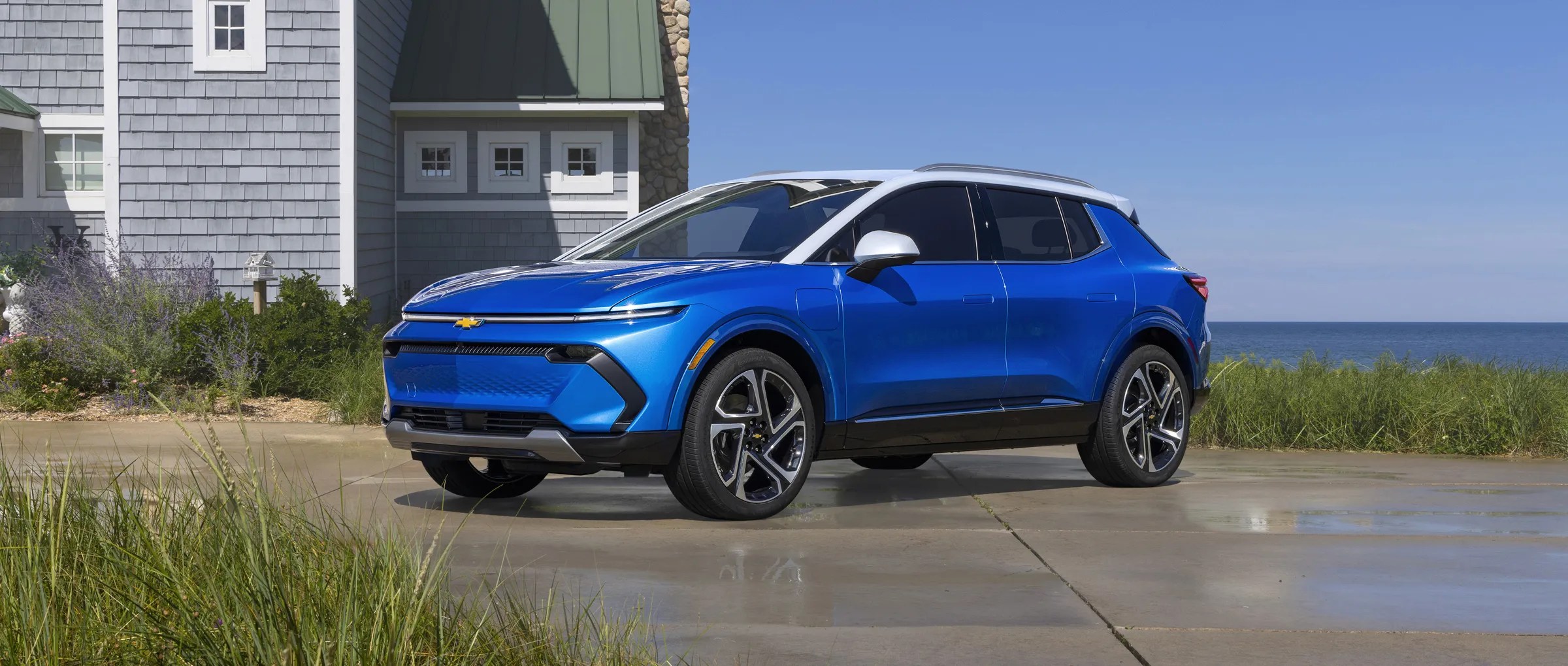
2025 Chevrolet Equinox EV LT. This electric Equinox seems right to me, not as a replacement for the soon-to-return Bolt, but as a companion to it in the EV lineup. GM has tended to electrify its larger models, including the Hummer and the Silverado, and the point eludes me. The Equinox is considerably cheaper (at $34,995 in tested form) than either of those, and considerably more fun to operate. It has a fresh and stylish design (without being overtly luxurious), and it’s exceptionally easy to pilot around town.

A local Chevy dealer told me he’s moving a good number of Equinoxes, but electric vehicles are still only about 10 percent of his sales. That needs to get better, but the narrative that EV transactions are plunging is way off—they’re just not rising as fast as they were.

The tester didn’t have a single option on it, but it had everything needed—even a bicycle alert as part of its safety package. The 17.7-inch screen was fine and clear, with a second 11-incher. The Equinox can fast charge at 150 kilowatts, and impressive 319-mile range. Frankly, I’d buy one—especially if it scores well in reliability testing.

2024 Range Rover P400 SE. These Range Rovers are as ubiquitous as white-tailed deer in the Connecticut suburbs, though don’t they at last bat an eye at a bottom line of $123,960? Admittedly, this tester had about $14,000 in options, and you could probably get by without glossy Sunset Gold paint ($8,450).

The issues I have with the Range Rover include a powerful thirst—just 20 mpg overall with the 395-horsepower turbocharged and supercharged three-liter six-cylinder engine—and odd ergonomics. The volume control on the dash isn’t even marked. The 400 SE didn’t feel particularly fast, and it’s far from agile, but with 406 pound-feet of torque it can definitely pull up stumps. The saving grace of this eternal British cruiser (with styling only tastefully updated since its debut in 1970) is that it’s a very comfortable, relatively quite and cosseting ride. Long trips won’t tire you out. You’ll arrive refreshed, at least until the fuel bills arrive.

Next up is a car I’ve been really dying to drive, a 2025 Cadillac Lyriq Sport AWD. And Volkswagen is promising me an electric ID.Buzz, the Microbus ancestor, another one I’ve eagerly anticipated.