Six New Cars Show That Hybrids Rule

I’m firmly convinced that, despite rollbacks on the federal level and sluggish sales at the dealerships, the car industry is going electric, and I mean globally. In the first half of 2025, plug ins were between nine and 11.8 percent of U.S. new vehicle sales, depending on criteria. It’s a start, and those numbers are much higher in Europe and China (where they’re half of all new sales), and freakishly high in countries like Iceland and especially Norway (way over 90 percent of sales).

The timeline is going to be longer than initially believed, but the changeover is inevitable—dictated both by superior technology and climate imperatives. In the meantime, we are still seeing plenty of old-school internal-combustion cars and trucks hit the market, and here’s a sampling of vehicles I’ve recently sampled.
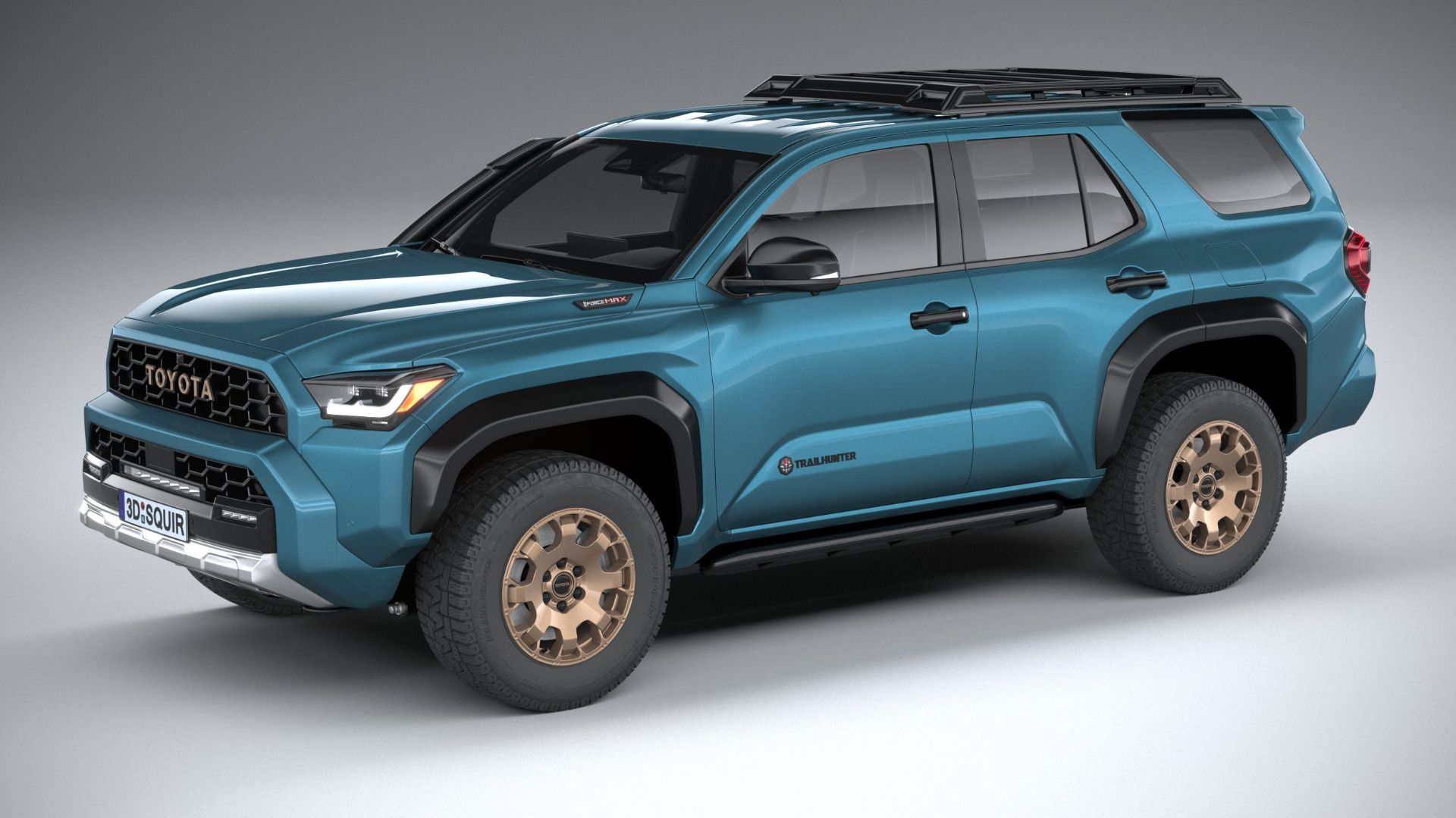
2025 Toyota 4Runner TrailHunter. Wow, going off road can get costly. My test 4Runner TrailHunter came in at $69,578 with such niceties as a digital key and a tow ball added to the $66,900 base price. And here’s the issue in a nutshell, via Car and Driver, “The 4Runner is tall and ungainly. It is inefficient in packaging and fuel economy, not quick, and expensive for its size. Toyota can’t build enough of them.”

I’ve driven both 2025 and 2026 versions of this vehicle, and it’s not the best ride around town. It’s bouncy and relatively rough riding, and you have to climb into it. The snorkel (excuse me, the High Mount Air Intake) might look cool, but c’mon—who’s fording streams? The bright side of this version of the 4Runner is the 2.4-liter turbo four-cylinder hybrid engine that gets a heavy, non-aerodynamic vehicle to 23 mpg city/24 highway. Still terrible, though, considering that Toyota also makes the Prius that gets up to 57 mpg in 2026 guise. The automaker has gussied up this off-roader with a comfortable interior, heated seats and wheel, but you’ll still be roughing it, whether you go off road or not. The same things that make it good on mountain treks are what makes it difficult on pavement—body on frame construction (expect squeaks down the road) a live rear axle, huge knobby tires on 18-inch wheels.

2025 Toyota Grand Highlander Hybrid Max Platinum. This Highlander (another ultra-popular platform from Toyota) is available with two entirely different hybrid engines, a base 245-horsepower unit and a 362-horsepower Hybrid Max in the Platinum trim you probably don’t need. In LE and XLE you get the base engine, but especially in XLE it’s very well equipped (heated front seats, 12.3-inch touchscreen, power tailgate, wireless charging pad)—and gets 36 mpg combined. With the big engine as tested you get a 5.6-second zero to 60 time (instead of 7.8 seconds) but, really, is that important to your daily life or self-esteem? The thing was snappy, but not exactly a sports car. More relevant is the fuel economy loss with Hybrid Max—from 36/32 to 26/27. The non-hybrid Grand Highlander actually did better in some tests, at 29 combined. Plus, the Platinum ($60,270) is hugely more expensive than the XLE ($46,875). I hope all this is convincing.

2025 Audi S5 Coupe Prestige. Prestige is definitely the word here, and you pay for it, in this case a bottom line of $73,345. That buys a very, very capable and sophisticated car, powered by a three-liter 362-horsepower turbocharged V-6 engine with a seven-speed dual-clutch automatic and quattro AWD.

This is more car than I actually need or could possibly justify buying, but that’s not to say I didn’t love my week in it. What’s not to like? It’s attractive, fast, comfortable and (amazingly enough after all the SUVs) a grand touring car! That means it’s set up for long hauls and smooths out the highway for you. At 60 mph and above it’s an effortless drive. The standard Sportback rear gives lots of luggage space under the hatch.

The central 14.5-inch infotainment screen is visually appealing. The Prestige line gets you the quite nice upgraded digital gauge cluster, a head-up display, a 360-degree camera, and also confusing and unnecessary on-screen climate controls. Philistine that I am I get excited when I see a Bang & Olufsen audio system, and I think I actually can tell they sound better than, say, a boombox from Walmart.
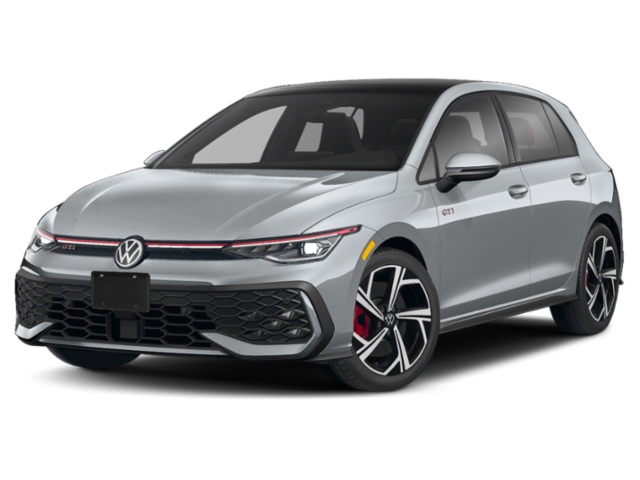
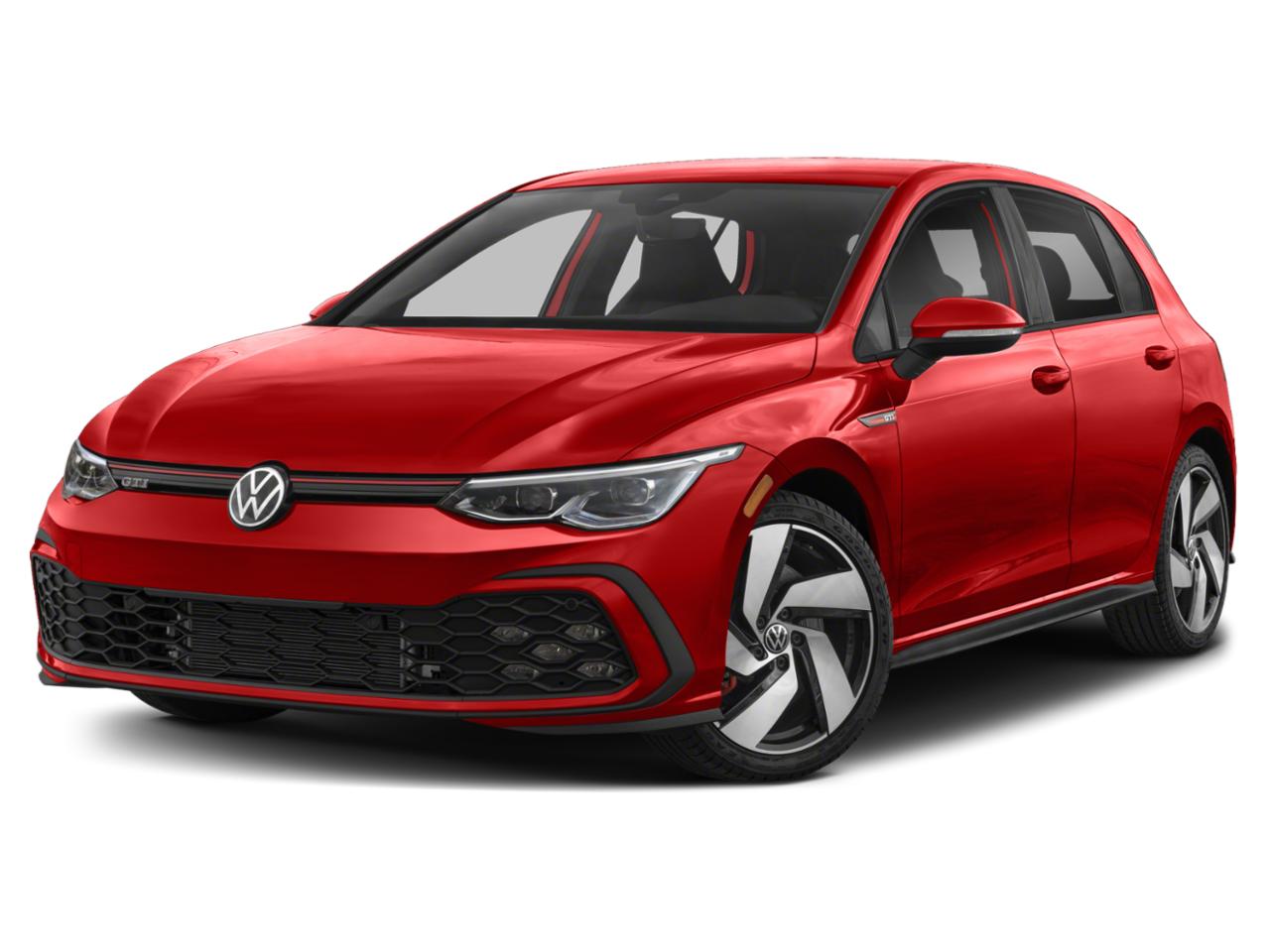
2025 Volkswagen Golf GTI 2.0T SE. The big news about the “pocket rocket” GTI is that VW has gotten rid of the manual transmission option, perhaps an inevitability as manuals are even disappearing at Porsche and Ferrari. Honestly, half the fun of owning these cars is shifting them, but VW is bowing the sheer inability of the driving public to drive stick.

This version is an update of the GTI, not a major model change. In place of the manual is a seven-speed dual-clutch automatic, with an “S” mode for faster shifts. You’re stirring a two-liter, four-cylinder turbo engine with 241 horsepower and 273 pound-feet of torque, held over from previous model years. Fuel economy at 27 mpg combined could be better, but a 5.6-second zero to 60 time is impressive. There are some new colors and badges and new 19-inch wheels. The GTI is still fun to drive but, for me, not quite as much fun. Prices range from $33 to $42,000. The SE tested is $38,645.
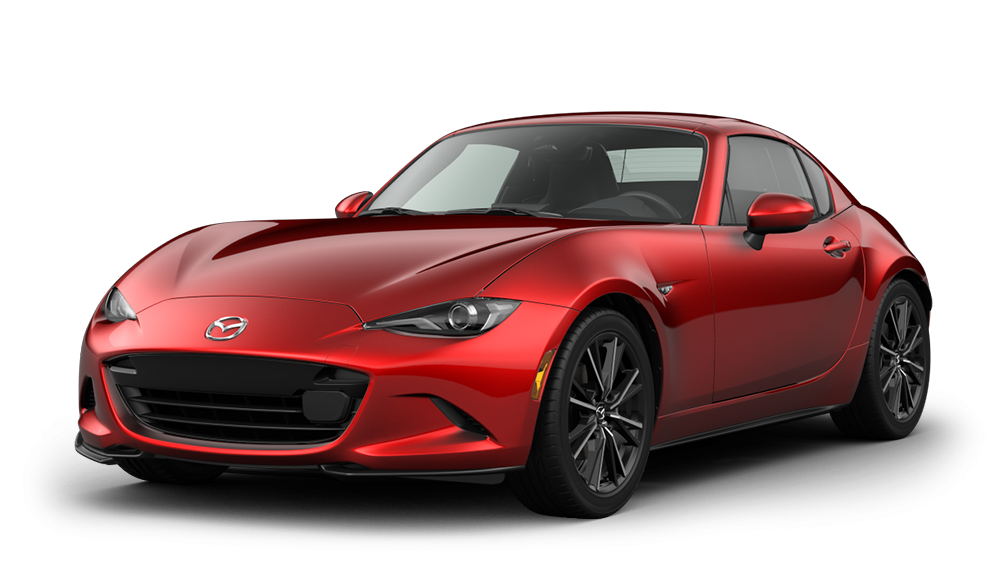
2025 Mazda MX-5 Miata RF Grand Touring. As a Miata owner myself, I (and many of my auto journalist colleagues) don’t have to be sold on the model’s virtues. It is, still, the only real choice for a fun to drive, inexpensive, easy to maintain two-seat convertible. But it’s gotten more sophisticated. Mine’s a 1999, and even that one has far more creature comforts than the NA first seen in 1989.

The RF has a power retractable top, that works very well in practice. That’s a Miata tradition. The early ones have a top that you just throw back, compared to the complicated, leaky Cub Scout tents seen on the British sports cars the Miata blew out of the water.

The Miata still starts around $30,000, and the engine in all Miata is still a modest four-cylinder than in two-liter four here produces 181 horsepower. Yes, you can still go manual with a six-speed box. These new ones are even more responsive and good handling than my ’99, thanks to very direct steering.

The well-appointed RF Grand Touring is near the top of the line, and costs $38,785. Fuel economy at 29 combined isn’t bad, but requiring premium gas is a negative. The Miata may not be the best car for 60-mile commutes—it’s a bit small for that—but as a weekend car it’s peerless. It’s too bad more people don’t think so. Mazda sold just 8,103 Miatas in the U.S. in 2024, a minor downward trend from 2023.

2025 Toyota Crown Nightshade Edition. I’d like to think that cars like the long-Japan-only Crown can find a place in the American market. Toyota loves hybrids, makes great ones, and in this case stuffs its 2.5-liter driveline (236 combined horsepower) into a well-equipped sedan that retails, in this case, for $48,765. Leave the options list alone—the test car had a $165 “side puddle lamp” you probably don’t need.

In some ways the Crown is like an entry-level Lexus, which may have you scratching your head about the need for it, but under either badge it’s a nice car. The eCVT transmission takes a little getting used to, but it’s a factor in the 41 mpg combined (42 city/41 highway) fuel economy.

I liked the 11-speaker JBL sound system, the leather-trimmed heated seats (front and rear), the matte black 21-inch wheels, and the panoramic glass roof. Really, it’s a good example of the state-of-the-art sedan in 2025. The trick is getting the public to care about sedans again.
Considering the Tariff Factor: New Cars in Review

The Trump tariffs have thrown the auto industry into a complete turmoil. The future pricing of the cars on this list will be determined by whether or not they’re made in the U.S. of A. And some automakers—Jaguar Land Rover, Audi—are temporarily suspending deliveries to America while they plan their next move. So if I say glowing things about the 2025 Audi SQ7 Prestige I tested, will you even be able to find one on the lots?

A case in point, my brother wanted a 2025 Kia Kona Hybrid with 49.9 mpg. This vehicle is offered here, starting at $26,000, or $33,550 for the Limited model he wanted. He found one at a local dealer, but then it turned out to be not available. He had to scramble around to find another one—they’re rare, for some reason—and managed to get the keys just days ahead of the 25 percent tariffs. He paid around $32,000 all in. He was, in fact, lucky. It’s built at the Ulsan facility in South Korea, not here.

So, the numbers here are, to put it mildly, in flux.

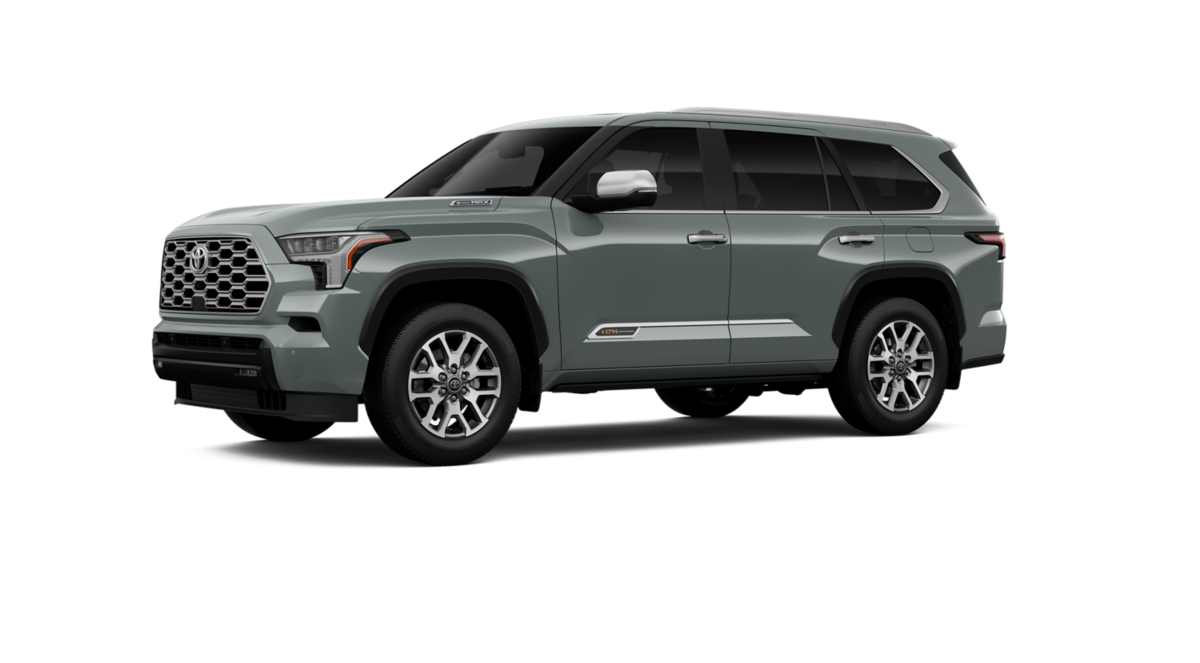
2025 Toyota Sequoia 1794 Hybrid. I prefer hybrids to be smaller, lighter and cheaper. The huge 1794 (above) starts at $82,330, and despite the “hybrid” badges it’s not fuel efficient. I mean it gets 22 mpg combined, for crying out loud. Yes, it’s a big, comfortable SUV with all the latest tech, and Toyota wrote the book on hybrid drive, but it’s also 6,179 pounds of vehicle. But you could do worse if you have eight people to move around. The price couldn’t go up much more, but luckily the Sequoia is built in America. Texas, to be specific.

2025 Toyota Crown Signia Limited. It dates me to remember the Crown as a luxury car for the JDM (Japanese domestic market). The new one (above) is still fairly well-appointed, with sedan styling that still gives off some SUV cues. Such attempts tend to come off as awkward, but OK. Prices start at $42,475, which is about what Americans typically spend on a car.

The good news here is that all Crowns are hybrids, beginning with a 236-horsepower powertrain, able to deliver 41 mpg combined. That’s pretty good for a car of its size. You can also gild the lily with the $56,125 Platinum trim, accessing 340 horsepower with reduced fuel economy. Don’t be in such a hurry! The Crown Signia is built at the Tsutsumi Plant in Aichi, Japan, and thus subject to tariffs that would threaten its competitiveness if they were fully passed on to consumers.

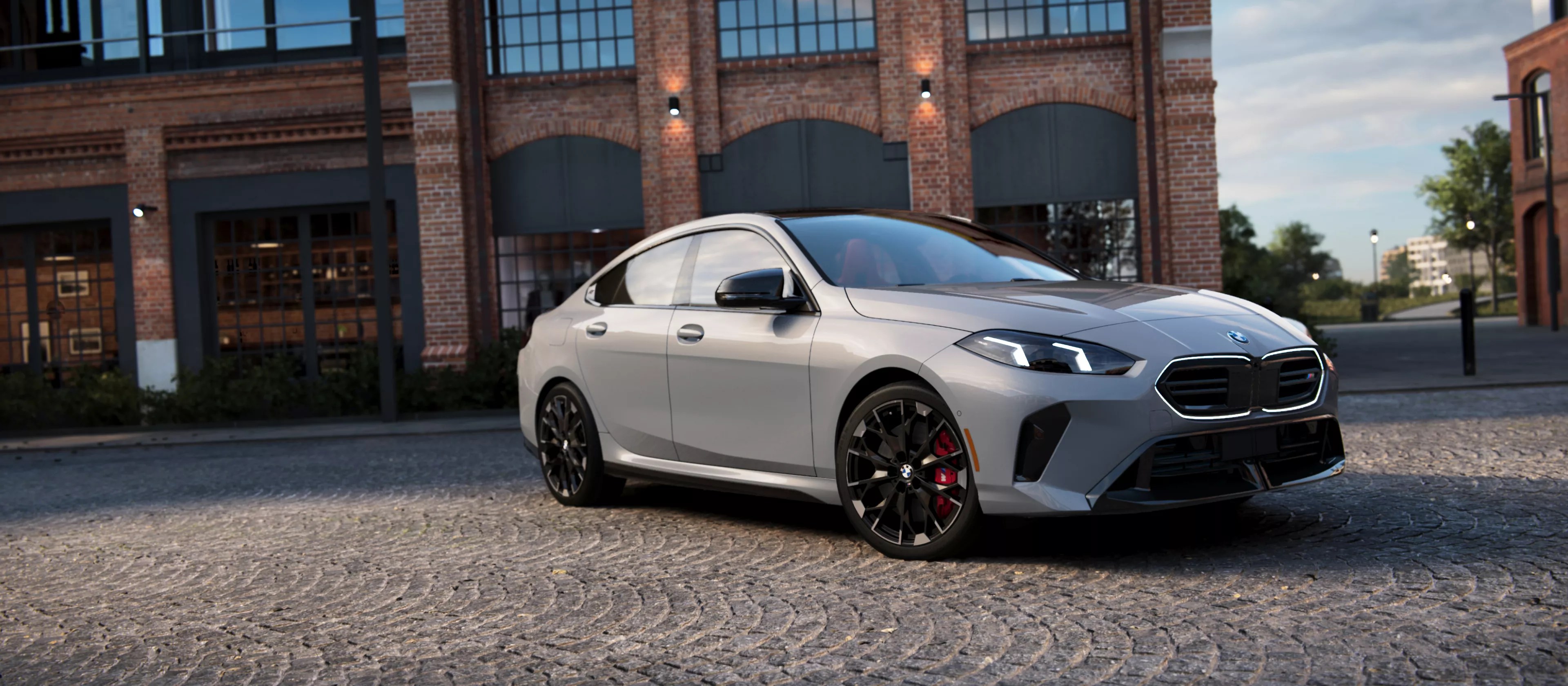
2025 BMW M235i xDrive Gran Coupe. Consider the BMW 2-Series as a way to escape the big-grille plague that I thought I’d be getting used to, but no such luck. This unassuming purple beast (above, though not purple) is a performance BMW with quite a bit of Mini Cooper DNA (same parents, after all). There’s no manual option, but the two-liter turbo four puts out 312 horsepower and 295 pound-feet of torque, shifting through a seven-speed dual-clutch automatic. The combination is good for a 4.7-second zero to 60 time. The interior feels classy, but the seats could use more padding, especially as this M delivers a relatively stiff ride. The M235i is a little car with a somewhat big price, starting at $50,675. There’s not much in common with the similarly named M240i coupe, but that one has a straight six-cylinder engine and more power—382 horsepower, with AWD available. The price is very close, $50,600, with xDrive adding $2,000. Production: a highly automated plant in Leipzig, the former East Germany.

2025 Mercedes-Benz S63 EV4. The European marques have fully embraced the plug-in hybrid (PHEV) format, and this example emphasizes performance. The challenge for Mercedes was to deliver zero to 60 in 3.2 seconds (and a 180-mph top speed) via a four-liter twin-turbo V-8 and e-motor, while also delivering fuel economy to justify that PHEV badge. The package delivers 791 horsepower and 1,055 pound-feet of torque.

The figures for cars like this are wild. It offers 49 mpg combined (46 in the city/53 on the highway) and an electric range of 16 miles (which could be higher). But if you run it only on gasoline, the result is only 18 mpg. Keep it charged up, is what I say. Driving range is quite good at 380 miles. The interior of the Mercedes is super-nice, with Benz’ really useful active bolsters to keep you in your seat. The price is an eye-watering $186,200, which is a shame because lots of posteriors would occupy that driver’s seat if they could afford it. Although Mercedes has an American plant, these cars are built in Germany, and thus the price (if passed on) could go up, up and away.

Is there room for more Benz cars in Alabama? The plant there is already producing the GLE, GLS, and GLE Coupé SUVs, and the Mercedes-Maybach GLS for international sales. EVs in Alabama are the EQS SUV, EQE SUV and Mercedes-Maybach EQ. The S63 EV4 is likely to be a low-volume model and will probably stay in Germany.

2025 Audi SQ7 Prestige and Q4 e-tron Prestige. I’m putting these two together because I’m curious what the German automaker will do with pricing for these fine driver’s offerings. Both are already expensive cars, and price is a big issue with EV customers—who think the electrics are too expensive even without the tariffs. Audi’s e-trons will now be a big jump from domestics like the Chevy Bolt and Equinox. The Prestige Q4 is $69,095, and my guess is that the automaker can’t really raise that too much without having them just sit on lots. The big, luxury-oriented SQ7 Prestige (above) is $98,195. Raising that heady amount by 25 percent would be prohibitive. That’s why a pause was necessary.

There definitely is U.S. production in Audi’s future. The company said in February it will expand production in North America, possibly in a joint venture with its Volkswagen Group siblings. According to Audi CEO Gernot Doellner, also a VW management board member, “We could go into existing Volkswagen Group plants or we could build up additional capacity. We are open to solutions and are evaluating the various options.”

2024 Toyota Corolla Cross Hybrid XSE and 2025 Toyota GR Corolla Premium. If you expect this car to look like a Corolla—i.e., a sedan—you haven’t been paying attention. This Corolla, made in the U.S. of A. (yeah!), has become an entry-level SUV, and a hybrid to boot. Pricing starts just below $30,000 (likely to stay there), and it can deliver 45 highway/38 city fuel economy via a two-liter four-cylinder engine and a trio of e-motors, for 196 horsepower. That makes it faster than the standard Corolla Cross, and definitely the one to buy. Don’t expect a performance car—it’s kind of like a Japanese appliance, but that pays off in terms of reliability and longevity.

I drove the GR Corolla (above) at Charlotte Motor Speedway in North Carolina last year, and here’s where you go for performance! These racy Corollas are kind of a labor of love for the company, which estimates it will sell less than 6,000 of them in the U.S. The all-wheel-drive GR hosts an innovative 1.6-liter turbo three-cylinder engine that punches above its weight and produces 300 horsepower (and 295 pound-feet of torque). Zero to 60 takes just 4.99 seconds. The model was introduced in 2022, but now includes an eight-speed paddle-shifted automatic as a $2,000 option. The GR also looks the business, with spoilers galore. Pricing is $38,860 for the Core entry model and tops off at $47,515 for Premium Plus. But the GR Corolla is built in Japan, in a dedicated facility within the Motomachi plant, and is this fully subject to the tariffs. Expect a price rise.

2025 Mazda CX-50 Hybrid Premium Plus and 2025 CX-50 Turbo Meridian Edition. Get the hybrid (above). It uses the same peppy drivetrain as the Toyota RAV4 Hybrid, with 219 horsepower from no less than three electric motors standard (for AWD) and a 2.5-liter four. This combination and a relatively light shell yields impressive 38 mpg combined fuel economy. You’ll want a regular CX-50 if you tow a lot, because it can handle 3,500 pounds (versus the hybrid’s 1,500). With the standard CX-50, you’re looking at 24 mpg in the city and 30 on the highway. The rating goes down to 23/29 (and the price goes up) if you opt for the 2.5 with twin-scroll supercharger. The hybrid, built in Huntsville, Alabama, starts at a reasonable $35,390. And the price is going to stay there, minus tariffs.

Winter Wagons: Seasonal Rides for the Whole Family

By Jim Motavalli

It’s interesting that all of these tested cars are either commodious SUVs or station wagons. Every one is a good winter car, while the Porsche and Miata hibernates in the garage. And note how many of them are hybrids or EVs. The old paradigm is shifting.

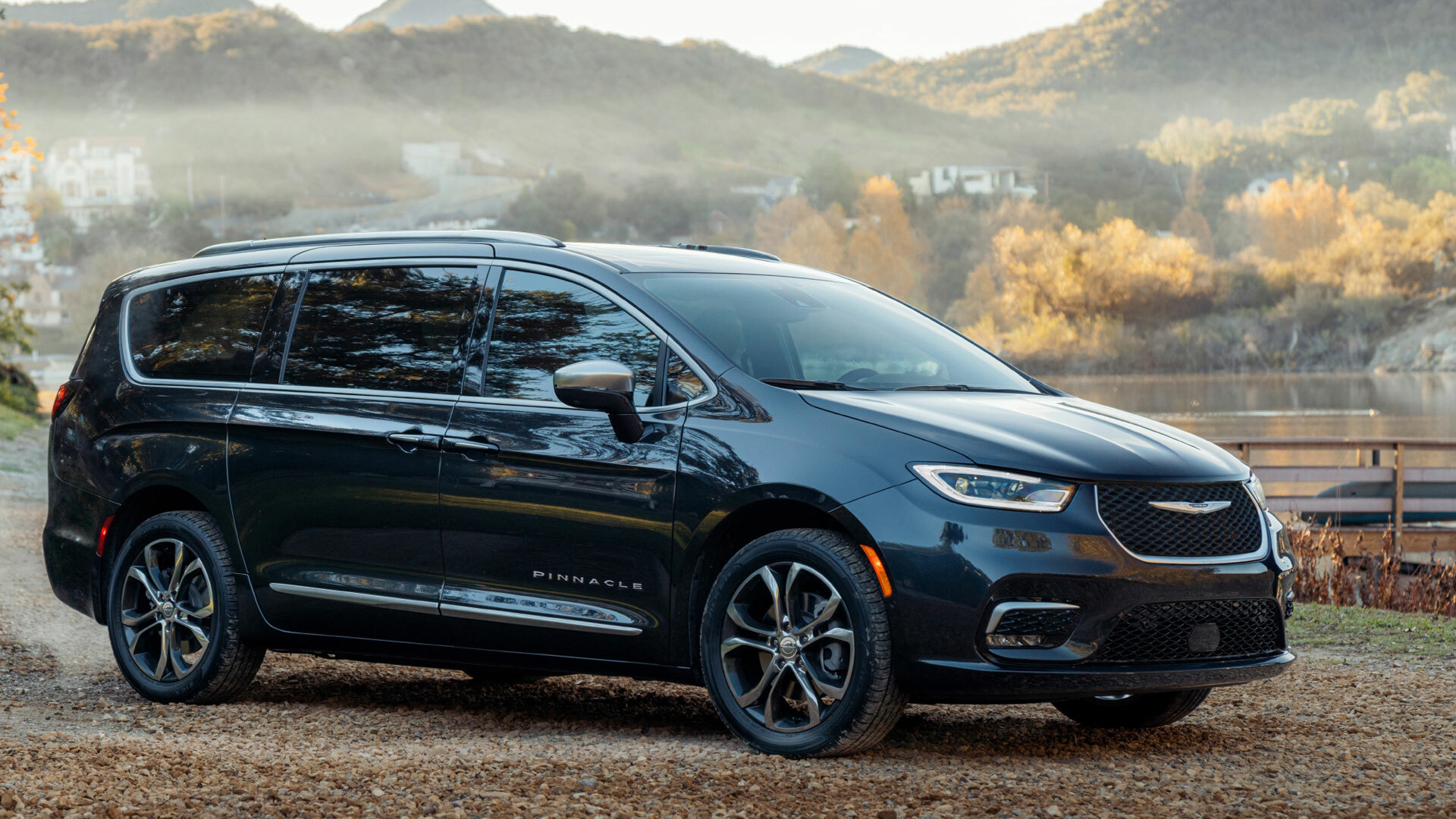
2024 Chrysler Pacifica Hybrid Pinnacle. I have a soft spot for this minivan (actually, for all minivans) and the Pacifica gets special kudos as the first hybrid of its kind. It’s no longer unique, because the very mainstream Toyota Sienna now only comes in a hybrid configuration, as does the Kia Carnival (see below). Unlike the Sienna and Carnival, however, the Pacifica plugs in, and gets 32 miles of EV travel before it has to revert to the gas engine.

The hybrid dispenses with the Stow ‘n Go third-row seats from the standard Pacifica, and that’s a loss. On the road under V-6 power, the Pacifica doesn’t feel all that refined, but then neither does the Toyota Prius. Entry and exit are easy, and the controls are familiar and easy to use. Legroom is good for six-footers.

The Pacifica is quiet under electric power, and rather noisy with the gas engine running. Overall, it’s a good choice if you want both a plug-in hybrid and three-row minivan convenience. The Pacifica came in at $61,685, which is hefty for a minivan. But it offers 30 mpg combined with just the gas engine, and a stellar 82 with the hybrid. It will take a while to pay back the premium price, but it’s still a good choice.

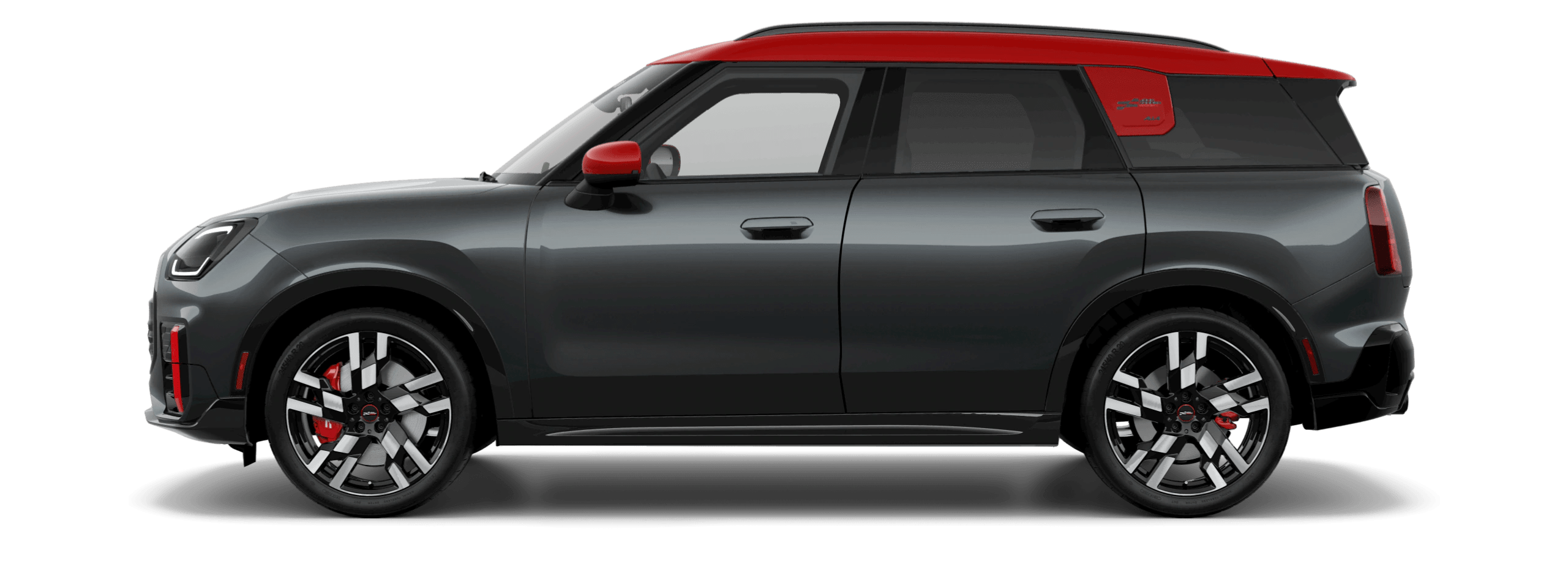
2025 Mini John Cooper Works (JCW) Countryman ALL4. The whole point of the Mini, when it was introduced in Great Britain circa 1959, was that it was cheap and cheerful. That year, you paid $1,340 for a 10-foot-long bare-bones automobile that, with an 848-cc engine, could deliver 40 mpg. Even with inflation, it was a car everyone could afford. Well, car prices have crept up and the new Countryman as tested was $51,995. That’s a big jump! To be fair, you can get into a new Mini quite a bit cheaper. The starting MSRP is $28,950.

That said, there’s a lot of car here. John Cooper was an early Mini tuner, and he’s done proud in this iteration. The JCW is on the platform of the BMW X1 M35i, and it offers all-wheel drive from a turbo four, an eight-speed double-clutch transmission. and 312 horsepower. Plus, it’s sort of a station wagon (another favorite format of mine) when they’re getting scarce. Driving the Mini is quite fun, even on the longer trip I undertook, and the interior is up to the Mini’s avant-garde standards—complete with center-mounted and colorfully lighted central display. The original Countryman offered woodie accents, and alas the retro touches don’t go quite that far in this incarnation.

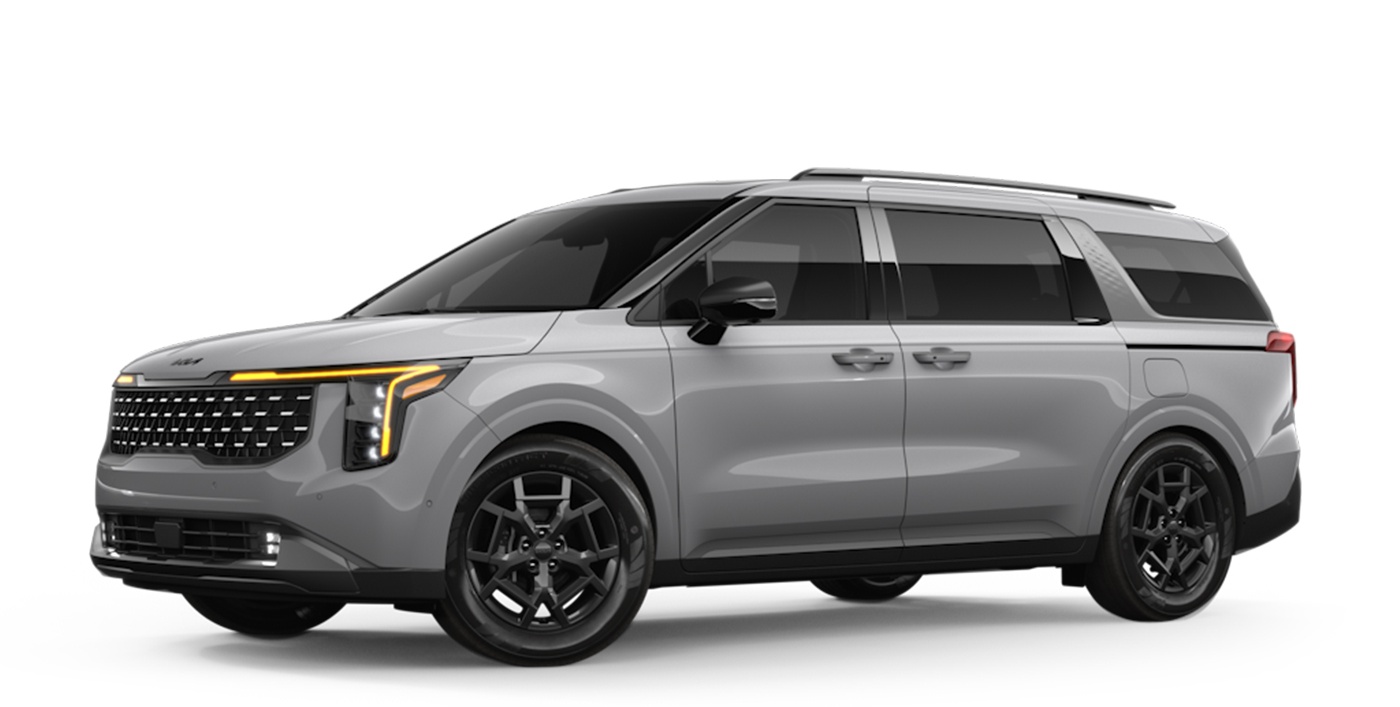
2025 Kia Carnival Hybrid SX Prestige. Kia has hopped into the hybrid minivan sweepstakes with a configuration that makes a lot of sense—a turbo 1.6-liter four, electric motor and six-speed automatic taking the place of the non-hybrid’s V-6 and eight-speed auto. There’s just the one motor, so no AWD version is offered—the Sienna has that.

Kia and Hyundai usually hit what they’re aiming at, and that’s definitely true here. It was a fine minivan to spend a week in, and it passed quite a few gas stations. The second-row reclines in a useful way, and kid-pleasing rear-seat electronics are offered. The Prestige version is at the top of the model lineup, and came in at $57,255. The price includes a truly comprehensive safety suite, as well as leather seats, Bose, a heated wheel and head-up display. Worth getting.

On-road performance was quite refined. The Carnival hybrid can deliver 242 horsepower, not far off the regular model. The choice of regenerative braking settings was appreciated.

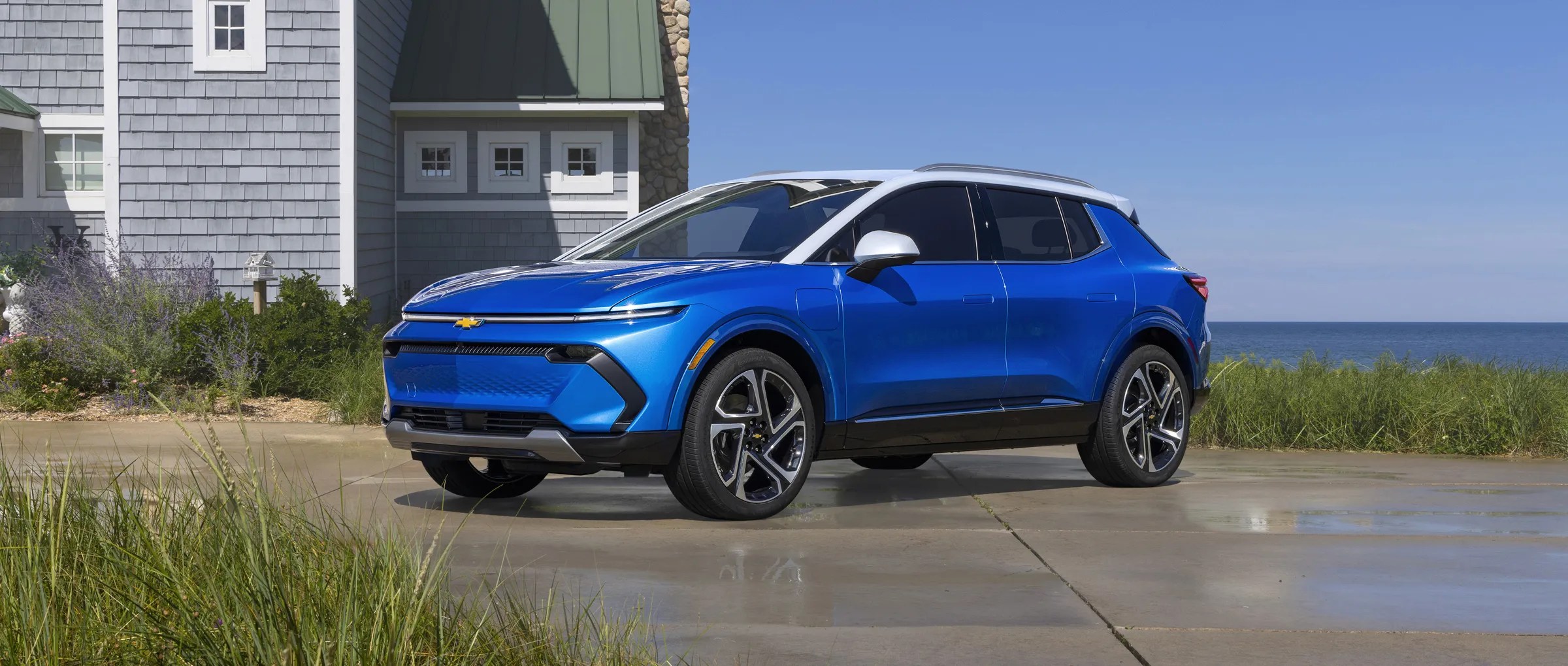
2025 Chevrolet Equinox EV LT. This electric Equinox seems right to me, not as a replacement for the soon-to-return Bolt, but as a companion to it in the EV lineup. GM has tended to electrify its larger models, including the Hummer and the Silverado, and the point eludes me. The Equinox is considerably cheaper (at $34,995 in tested form) than either of those, and considerably more fun to operate. It has a fresh and stylish design (without being overtly luxurious), and it’s exceptionally easy to pilot around town.

A local Chevy dealer told me he’s moving a good number of Equinoxes, but electric vehicles are still only about 10 percent of his sales. That needs to get better, but the narrative that EV transactions are plunging is way off—they’re just not rising as fast as they were.

The tester didn’t have a single option on it, but it had everything needed—even a bicycle alert as part of its safety package. The 17.7-inch screen was fine and clear, with a second 11-incher. The Equinox can fast charge at 150 kilowatts, and impressive 319-mile range. Frankly, I’d buy one—especially if it scores well in reliability testing.

2024 Range Rover P400 SE. These Range Rovers are as ubiquitous as white-tailed deer in the Connecticut suburbs, though don’t they at last bat an eye at a bottom line of $123,960? Admittedly, this tester had about $14,000 in options, and you could probably get by without glossy Sunset Gold paint ($8,450).

The issues I have with the Range Rover include a powerful thirst—just 20 mpg overall with the 395-horsepower turbocharged and supercharged three-liter six-cylinder engine—and odd ergonomics. The volume control on the dash isn’t even marked. The 400 SE didn’t feel particularly fast, and it’s far from agile, but with 406 pound-feet of torque it can definitely pull up stumps. The saving grace of this eternal British cruiser (with styling only tastefully updated since its debut in 1970) is that it’s a very comfortable, relatively quite and cosseting ride. Long trips won’t tire you out. You’ll arrive refreshed, at least until the fuel bills arrive.

Next up is a car I’ve been really dying to drive, a 2025 Cadillac Lyriq Sport AWD. And Volkswagen is promising me an electric ID.Buzz, the Microbus ancestor, another one I’ve eagerly anticipated.

New Models Sometimes Blur the Lines Between Sedans and SUVs

Although it’s often stated that the auto industry leads the public by the nose via clever marketing campaigns, in fact consumers are in the driver’s seat—and their changing tastes led to the now near-total SUV dominance we’re now seeing. But the difference between a sedan and an SUV these days amounts to little other than a few body panels, as witness Toyota’s Prius and Corolla Cross hybrids.  

A small SUV is often more efficient and fuel-friendly than a big sedan. And that’s why it makes sense to figure out which current market entry really floats your boat—and then downscale from there. Small is still beautiful! Here are some new models, illustrating my various points:

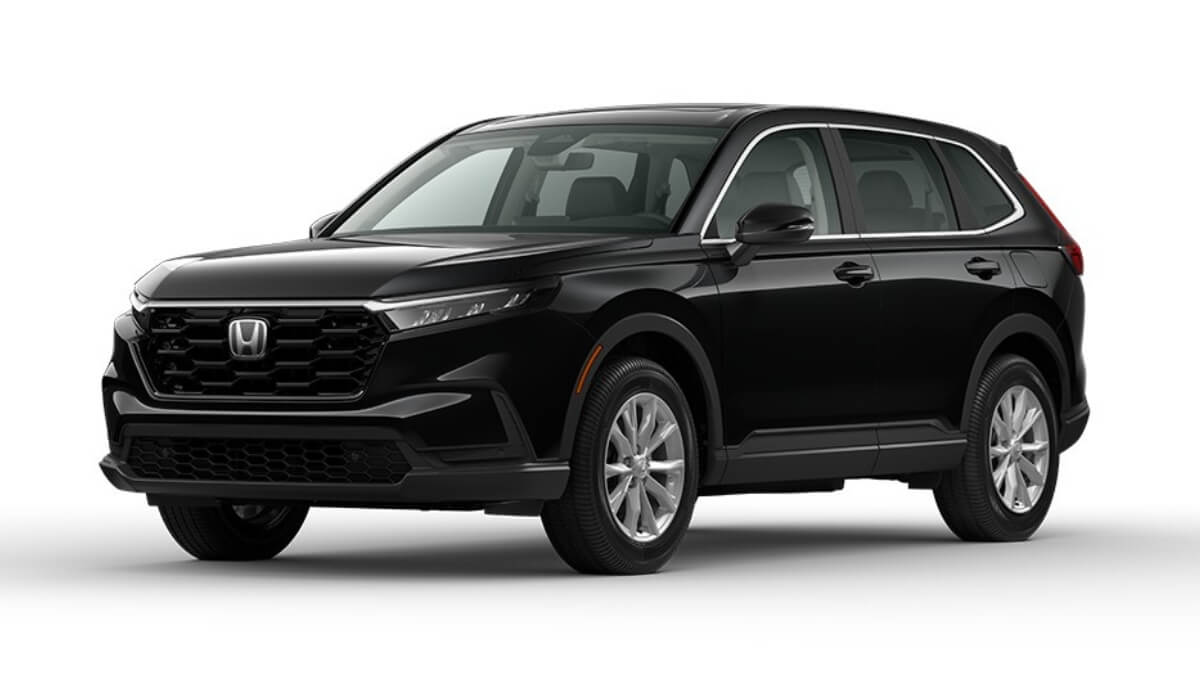
2025 Honda CR-V Hybrid AWD Sport Touring. Now here is an entirely reasonable automobile that represents an excellent choice for a small family that—in most cases—buys something larger. As a parent who raised two kids with nothing larger than a Honda Fit, I say it isn’t really necessary to buy an Expedition when the first kid arrives. Honda didn’t have an as-tested price for an example with $455 added for Urban Gray paint, but this hybrid Touring model starts at $42,450.

The CR-V is never going to be a white-knuckle sports car that you exploit at the limit. It’s a very, very useful appliance that delivers 37 mpg combined. And it’s probably the most reliable appliance you can buy. Yes, it’s a car for people who read Consumer Reports, but there’s nothing at all wrong with that. There’s really no reason not to chose the hybrid variants that are being offered on an increasing number of automotive product lines.

2024 Toyota Prius Limited. If you’ve been using the excuse that “the Prius is ugly” for buying a lesser vehicle, it’s time to rethink. The current fifth-generation Prius is downright pretty. It was first shown in 2022. The shape of the earlier versions were dictated by practicality and aerodynamics, so the styling win here has yields a slightly higher drag co-efficient and minor losses in cargo volume. But it was worth it!

The Hybrid Synergy Drive in this Prius offers 198 horsepower, and a two-liter inline four gas engine that’s also used in the recently tested (and quite nice) Corolla Cross hybrid crossover that’s also worth considering. In high-end Limited trim, the Prius yields 49 mpg combined, saving the owner $4,250 annually in fuel costs compared to the average new vehicle. For $37,999, the buyer gets a loaded Prius with features like AWD, a full safety suite, LED headlights, rain-sensing wipers and eight-speaker JBL infotainment. It’s hard to imagine a better buy, especially when the average car sells for $48,401.

2025 Genesis G80 AWD 3.5T Sport Prestige. The G80 slots in between the G70 and the G90, but it’s the top dog in some international markets. It’s certainly no compromise, coming as it does fully equipped with the top-of-the-line B&O stereo, AWD, a huge safety suite, heated and ventilated front seats, a smart auto-open trunk, and the 3.5-liter twin-turbo V-6 that makes 375 horsepower (versus the 300 horses of the 2.5-liter turbo alternative). The car shifts through an eight-speed automatic transmission.

Beyond these tangibles there’s the intangible just-feels-right about this car. It’s very comfortable, quiet and effortless on the road, and offers plenty of storage. The bottom line as-tested wasn’t offered, but the model starts at a not-cheap $78,250. Also check out the 2025 Genesis G80 Electrified, offered in just one “Luxury” trim. We recently drove one on a round-trip to Washington, DC with Michelin, and a good time was had by all except for some charging issues on the New Jersey Turnpike. The 94.5-kilowatt-hour battery gives the G80 Electrified just under 300 miles of range.

2025 Mazda CX-70 Turbo S Premium Plus. The CX-70 is a new mid-sized entry going after popular vehicles like the Jeep Grand Cherokee. It’s very similar to the CX-90, albeit with two rows (and five-passenger seating) instead of three rows and room for eight. You can get into a CX-70 for $41,900, but this top-range model is an eye-opening $57,405, in part because this is the hopped-up S version of the 3.3-liter inline-six engine seen in the CX-90. It produces 340 horsepower and 369 pound-feet of torque, coupled to an eight-speed automatic transmission. Mazdas tend to handle better than the average Japanese product, and that was the case with this fairly large automobile, which is also very tastefully appointed. But this is among the most crowded SUV segment, so it’s tough for Mazda to really stand out in it.

The zero to 60 time of 6.2 seconds is relatively sprightly, but any electric SUV would blow it away. Fuel economy of 25 combined/23 city/28 highway isn’t horrible but isn’t great, either. Also consider the CX-50 Hybrid Premium Plus, with a much better 38 mpg combined (39 in the city and 37 on the highway). The bottom line of $42,065 is also easier to swallow. And you can live with 219 horsepower.

2024 Volkswagen Golf GTI 2.0T. The Simeone Museum in Philadelphia collaborated with Volkswagen of America on the current exhibit (through January 12). Highlights include the Woodstock Microbus, Herbie, Karmann Ghias, a 1949 Bug—and several GTIs.

The GTI was launched in 1976 with 1.6-liter inline four adapted from Audi. That power output doesn’t seem like a lot now, but it turned the lightweight Golf into a prototype hot hatch capable of more than 112 mph. Obviously, the GTI has gained some weight and power since then. There’s still an inline four, but now it’s a 16-valve turbo producing 241 horsepower and 273 pound-feet of torque. The 2024 GTI offers zero to 60 in as little as 5.5 seconds, and fuel economy of 27 mpg combined (24 city, 33 highway). It’s a fun car to drive, graced with a six-speed manual transmission (one of the last?), but suffers from controls that should be simple and knob-based, but are complex and on the screen.

2024 GMC Sierra EV Denali Edition 1. OK, it’s here, an all-electric Denali pickup with formidable specs—zero to 60 in four seconds! They call this a “light-duty” truck but it weighs 8,800 pounds. To move all that weight, GMC has equipped it with a huge 205-kilowatt-hour battery. That provides a stellar 440 miles of range. But the big battery is a major reason the Denali has a $99,495 price as-tested.

The crew-cab truck was luxurious inside, and quiet in operation, with a huge vertical screen. But this is one EV that just feels big, especially in parking lots. In terms of practicality, the truck with the cumbersome name did prove useful for some dump and Goodwill runs. The powered tailgate, which folds in half, is nice, but the dealer-installed soft roll-up tonneau was cumbersome to use, especially in the cold. And the load height is pretty high.

Is there a market for this kind of heroically sized EV? Probably, yes, since Rivian is moving them, and GM itself sold 14,039 Hummer EVs through October 2024. It’s not clear how many of those were pickups. Scout is also going after the EV pickup market, and we should see the Ram electric pickup soon. GM has a history of producing its “green” vehicles from its largest platforms, and in some cases that leads to a distinctly compromised product, such as the Silverado hybrid that went from 17 mpg to 19. But to its credit the company is now offering downsized and very credible vehicles such as the Chevy Bolt, Equinox and Blazer EVs.

Testing the 2024 SUVs, Hybrids, EVs and Performers

As most of you know, I write about cars for a living. While the money isn’t spectacular, the fringe benefits include review cars for the week. If I was a movie critic, I’d get into films free. When I tell people about this, they say, first, “How did you get that job?” Then they think a bit and say, “I could do that job.” Who knows, maybe they could, but I’m the one who gets the keys, at least right now.

Here are quick hits on some cars that have been in my garage recently, all 2024 models:

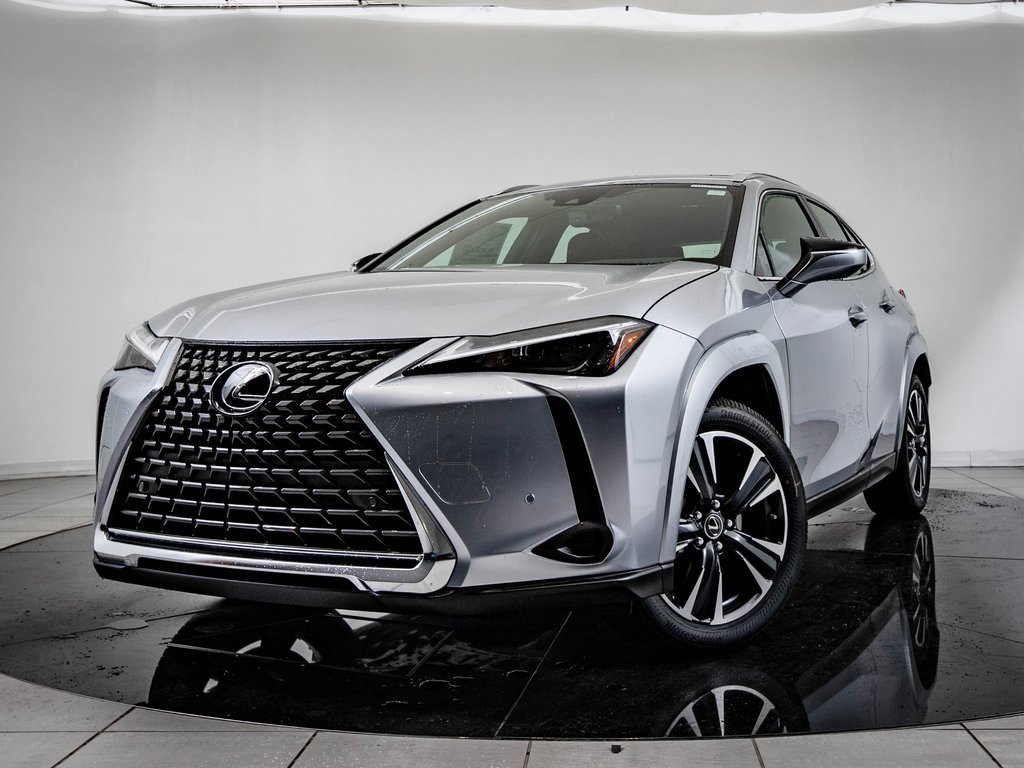
Lexus UX 250h F Sport Premium. Hybrid SUVs hit a sweet spot in the market right now, so an upscale off-roader that gets good fuel economy (42 mpg combined) will undoubtedly attract tire kickers. The small size makes it easy to park but rear-seat passengers might want something roomier. The hybrid drivetrain produces 181 horsepower, yielding a car with fairly leisurely acceleration—around eight seconds to 60. The F Sport hybrid (above) starts at $44,120.

Lexus RX 500h F Sport. This one’s interesting, a biggish crossover SUV that’s been set up as a performance car. A bit schizophrenic, that. And the styling is a bit ungainly. But the car sure moves out. With a 2.4-liter turbo four and a pair of e-motors, there’s 366 horsepower and 406 pound-feet of torque. That’s a 91-horsepower upgrade from any other RX. The 500h can get to 60 mph in just 5.5 seconds. Given the luxury appointments and size, it’s not surprising the car weighs more than 4,700 pounds. It’s pricey at a starting price of $63,800.

Adding to the bottom line are some options you might want, including the Mark Levinson infotainment system, which includes a 14-inch touchscreen and updated navigation ($2,265). Unless the kids get cold easily, skip the heated rear seats ($1,230).

Volvo XC40 Recharge Twin Ultimate and XC60 Recharge eAWD Ultimate Dark. Volvo is in a good position to support customers who want to go green, with either battery electrics or plug-in hybrids in several sizes and prices. There’s also the Polestar offerings, with related powertrains, to consider (both companies are owned by China’s Geely). The specs on the XC40 (above) are impressive—293 miles of EV range, fast-charging capability of 10-80 percent in 28 minutes, and 402 horsepower on tap. It can reach 60 mph in 4.6 seconds. The Volvo is attractively styled, inside and out, and a very comfortable cruiser. Google is built in, and there’s an onboard air purifier. It’s a quite nice approach to electrification with seating for five, but rather pricey at $53,745 (the Core model; for the Ultimate version with updated Harman Kardon sound and adaptive cruise, it’s $60,095).

The XC60 Recharge is a plug-in hybrid that wrings 455 horsepower and 523 pound-feet from a two-liter four-cylinder turbo motor and a pair of electrics for AWD. The EV range is 35 miles, but the whole car will go 560 miles without needing to stop—a big advantage of PHEVs. It’s impressive that the XC60 Recharge delivers 63 MPGe but moving all that weight without electric assist yields 28 mpg. In normal operation you should save $1,500 in fuel costs over five years, compared to an average new car.  The SUV is quite luxurious inside, with features like Nappa leather and a crystal glass gear shifter. There are lots of thoughtful touches, and also Volvo’s state-of-the-art safety tech. Rear seat passengers will have plenty of legroom, and also heated seats. This is another pricey one at $67,850. The Ultimate Dark option produces a blackout treatment.

Toyota Highlander Hybrid Platinum Hybrid AWD. Toyota’s strategy of concentrating on hybrids and PHEVs is starting to look smart in the current marketplace. And the Highlander Hybrid (above) is going to win over a lot of fans. The hybrid drive (the same one that’s in the RAV4 Hybrid) yields 36 mpg combined. It can reach 60 mph in a bit over eight seconds, so no speed demon—but who buys a Highlander for performance? Frankly, if you’re buying a Highlander there’s no reason not to get the hybrid version, because there are no compromises in the passenger compartment or roadability, just a modest bump in the price. Don’t expect a roomy third row, but the Highlander is quite utilitarian otherwise. Families, unless they took Cheaper by the Dozen literally, are likely to love it. The LE starts at $40,970. The up-market Platinum (like the test car) is $51,425 before additional options.

Hyundai Kona Limited AWD. Hyundai and Kia are on a roll in 2024, producing some of the best cars in the world, beautifully styled and highly functional, at an attractive price. The Kona (above) is a good entry point, and even in its top form, the Limited, it’s still only $33,175 (the base model is $25,625). The extra money gets the upmarket 1.6-liter turbo motor that’s good for 190 horsepower. There’s an attractive cabin with a pair of 12.3-inch displays that sit together in a wide oval pod. The accent lighting is neat.

The Kona was updated for 2024 with a longer wheelbase and thinner front seats, which combine to make the back seat more comfortable. The fuel economy could be better: it’s 24 mpg city and 29 highway.