The spring of 2026 has turned the auto industry on its head. The electric automobile, pronounced dead on arrival, has miraculously seen a rebirth. EV owners, until very recently shocked at the low prices their cars were bringing at resale time, now might be wise to hold out for higher bidders. On platforms like Cars.com and Autotrader, online searches for new electric cars and hybrids rose more than 20 percent in March from the previous month. And used EV interest rose 54 percent in March, says Robb Report.
Even if you haven’t previously considered an EV, the fact of $4.50 a gallon gas might change your thinking. Here are some new cars I’ve driven recently, starting with the EVs:
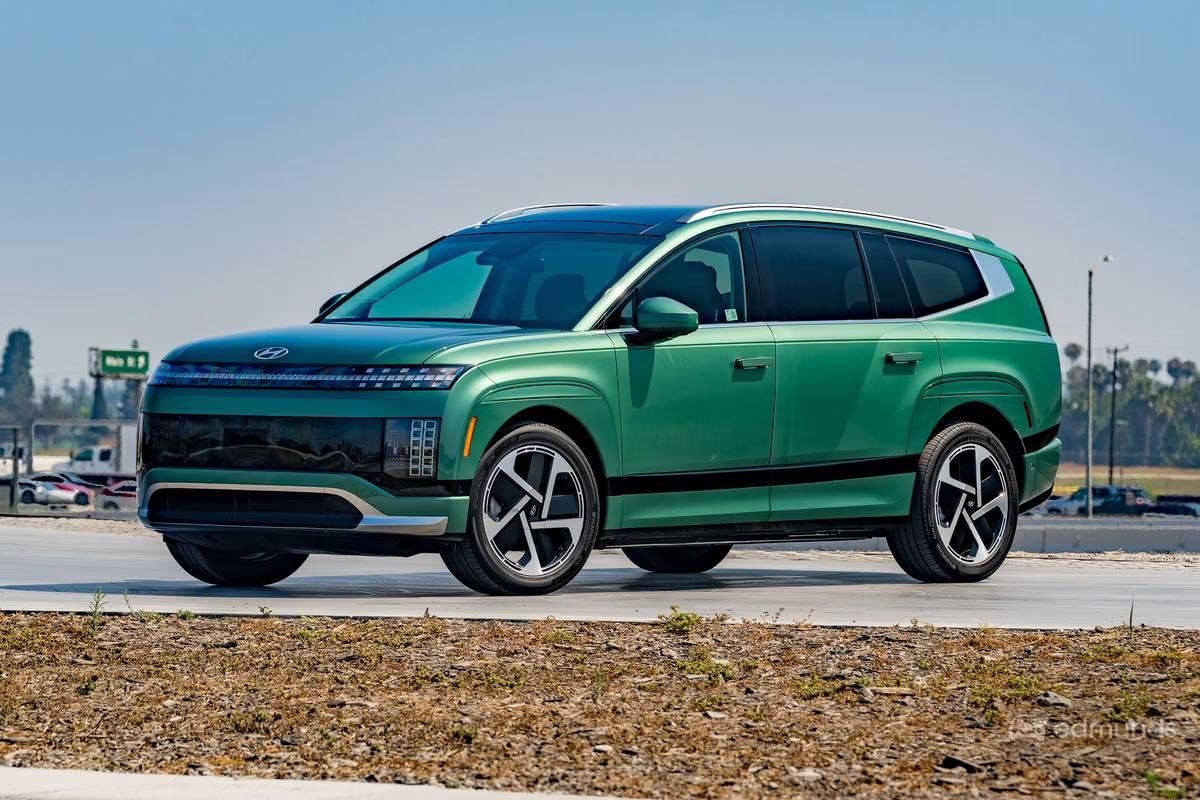
2026 Hyundai IONIQ 9 Limited. Three-row EVs are taking off, and we’d have some serious competition in this category if Chinese cars were sold in the U.S. The Zeekr 009, for instance, is simply awesome—three rows with reclining massage seats, plus 4.5-second zero to 60 times.
We still have pretty good choices, though. The Kia EV9, Lucid Gravity, Cadillac Vistiq and Escalade iQ, Tesla Model Y (the bestselling car in the world!), Rivian R1S, and more.
The IONIQ 9 is based on the Hyundai/Kia E-GMP platform and is built (along with the IONIQ 5) in the U.S. at the giant Metaplant near Savannah, Georgia. I saw both models being built recently. The 9, in six- or seven-passenger versions, is basically the same size as the Palisade SUV, but it won’t kill you at the gas pumps. There are multiple versions of this electric SUV, all of them with a 110.3-kWh battery pack. Two are all-wheel drive versions with 303 horsepower, and there’s one single-motor iteration with 215 horsepower and the most range—335 miles. There’s also a Performance AWD model that puts out an impressive 422 horsepower.
I like this very versatile vehicle a lot—it’s basically the best of both worlds, a hugely useful transporter for the whole family with zero emissions and great range.
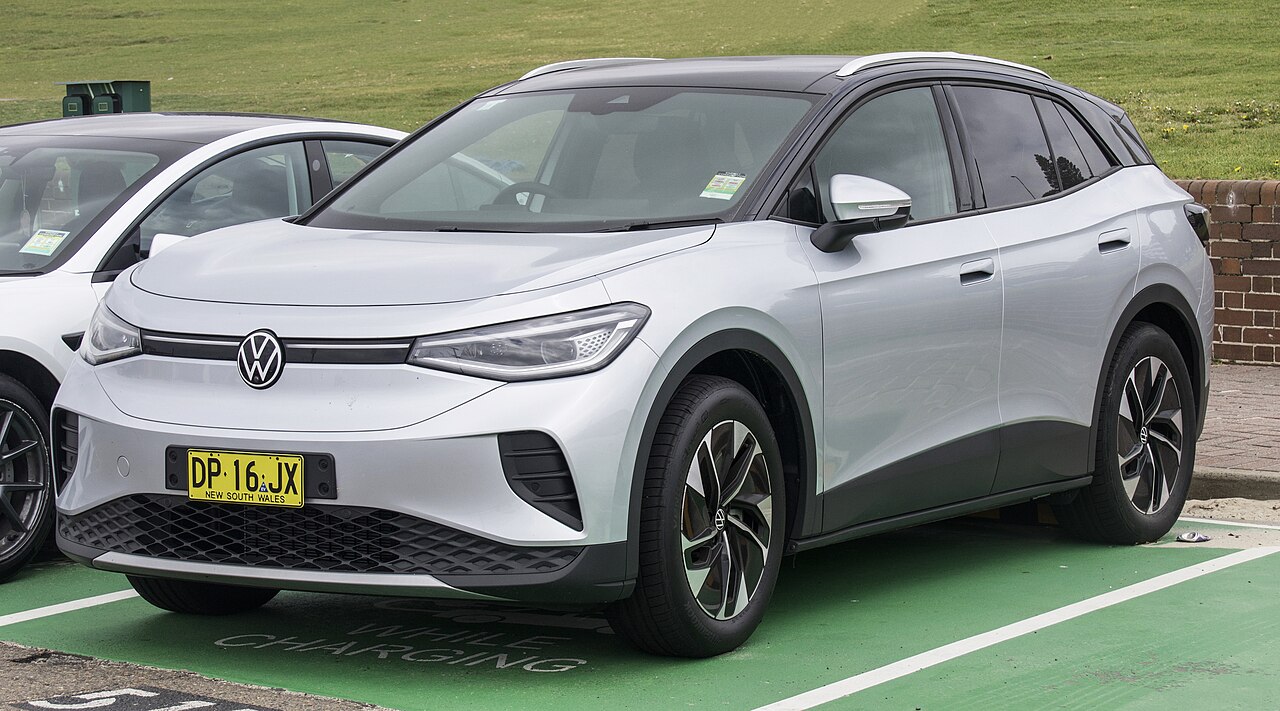
Volkswagen ID.4 AWD Pro. The ID.4 has been around for a while, at one time placing high on the EV sales charts. Today, in Pro AWD form it’s an electric SUV with two motors, an 82-kWh battery pack, and 291 miles of range. The MSRP starts at $45,095. A big plus is that the ID.4 comes with a two-year free pass to Electrify America’s large charging network.
I’ve talked to ID.4 owners who love their cars. The dual-motor configuration definitely gives the car some scoot—4.8 to 5.4 seconds to 60. The new ones have improved fast-charging abilities, 10 to 80 percent in 30 minutes. I found this an easy car to live with, and I’d settle for a base model. These are used-car bargains now. I’m seeing used 2023 examples for $21,000.
The combination of weak EV demand and the ID.4’s long time on the market (since 2021) hasn’t helped VW’s bottom line. Sales of the ID.4 were down 95.6 percent in the first quarter of 2026 versus the same period last year. The ID. Buzz, a unsuccessful EV retro version of the Microbus, is skipping the 2026 model year but may be back.
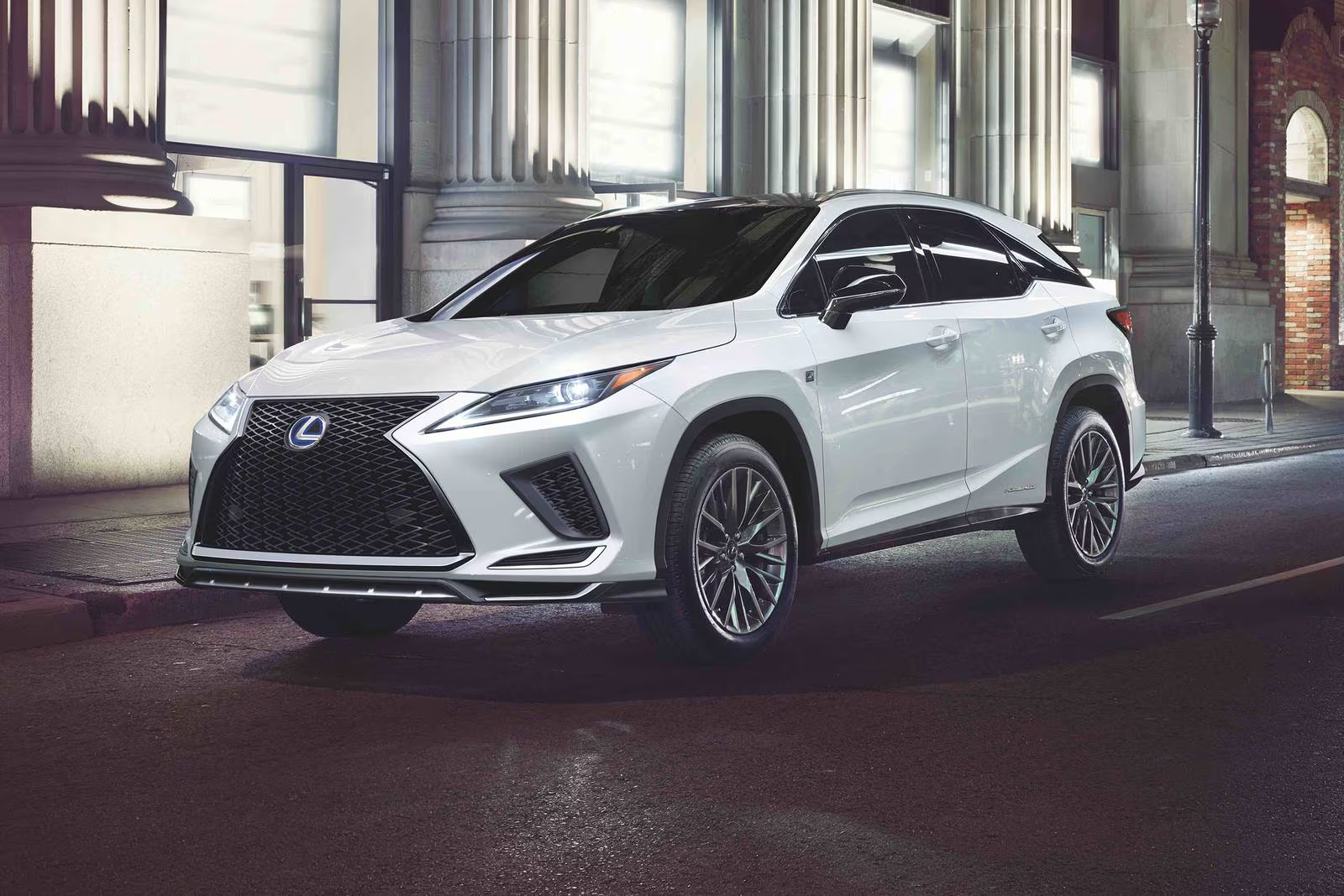
Lexus RX 450h+ Luxury. Buyers who wouldn’t consider a battery EV are taking a second look at plug-in hybrids (PHEVs) such as the 2026 Lexus NX 450h+. The combination here is a 2.5-liter four from the Toyota hybrid stable that pairs with electric motors and an 18.1-kWh battery for 304 horsepower, a 37-mile EV range and zero to 60 n six seconds. That translates to 84 MPGe combined, with no worries about having to find a charging station.
Some PHEV owners never get around to plugging their cars in, which is a shame, because entries like this one can mostly run electric—the average commuter only travels 35 miles per day, well within this car’s battery range. No need to find fast charging—on Level Two, the relatively small battery pack is full up in three hours.
The base Luxury model is around $61,740, with the F SPORT trim at $67,000. These cars are a bit large for my taste, but the interior is a nice place to be with quality materials throughout, a 14-inch touchscreen that hooked up to Apple CarPlay without a lot of fuss, and voice commands that actually seemed to work. The high price is probably deterring some would-be customers.
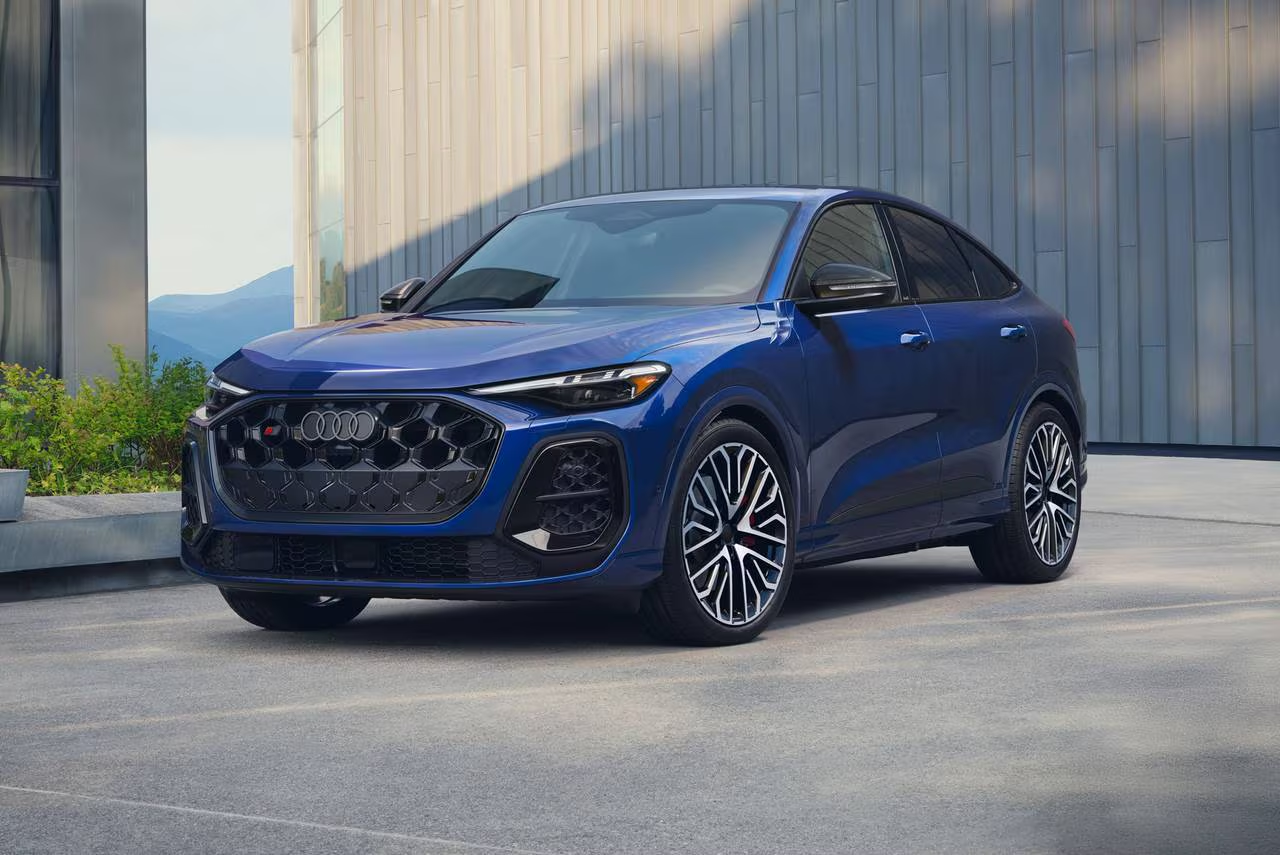
Audi SQ5 Prestige. This sporty SUV is available in either standard or Sportback form (as above), and as tested in the upmarket Prestige trim the price of entry is a heady $72,595. The emphasis is on the sporty, since power comes from a turbo three-liter V-6 that generates a mighty 362 horsepower and 406 pound-feet of torque. The older SQ5s had an eight-speed automatic, but that’s been replaced by a seven-speed dual-clutch iteration. With these cars, Quattro AWD is standard, as is adaptive air suspension.
People who want this kind of performance are probably better off in a sedan, but Audi tilts this one to trail seekers, with either Balanced or Offroad Plus drive modes. But driven on pavement it can reach 60 mph in just over four seconds. The interior of our test car was dominated by dark quilted leather, in the German manner. The car was amusing to drive, and the acceleration was truly impressive. Oddly, similar performance could be obtained by many lower-priced EVs. That kind of stands the “EVs are expensive” thing on its head, doesn’t it?
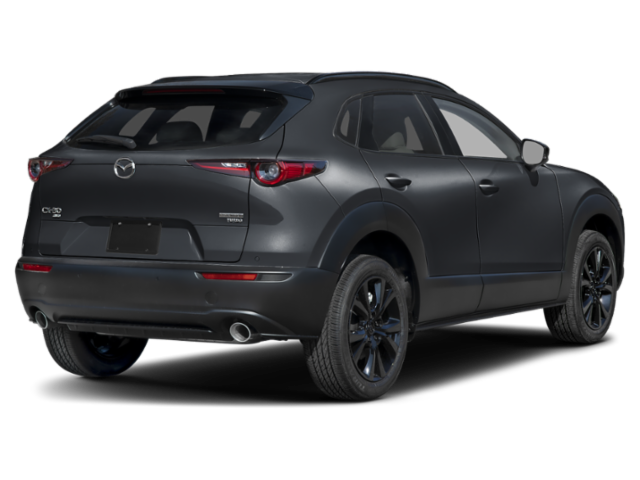
2026 Mazda CX-30 Turbo Aire Edition. The CX-30 is in a crowded SUV field (premium subcompact crossover), where it’s hard to stick out from the crowd. It’s powered by a SKYACTIV-G 2.5-liter, 250-horsepower turbo four, and the Turbo Aire version adds unique white leatherette seats with grey suede inserts, as well as a black signature wing and roof rails, plus 18-inch alloy wheels. The price is an affordable $34,410 to $37,240—it’s a fair amount of car for the money.
The CX-30 is docked for mediocre fuel economy—25 mpg combined, and for favor premium fuel (regular cuts the power to 227 horsepower). Given sticker shock at the pumps, fuel economy matters these days.
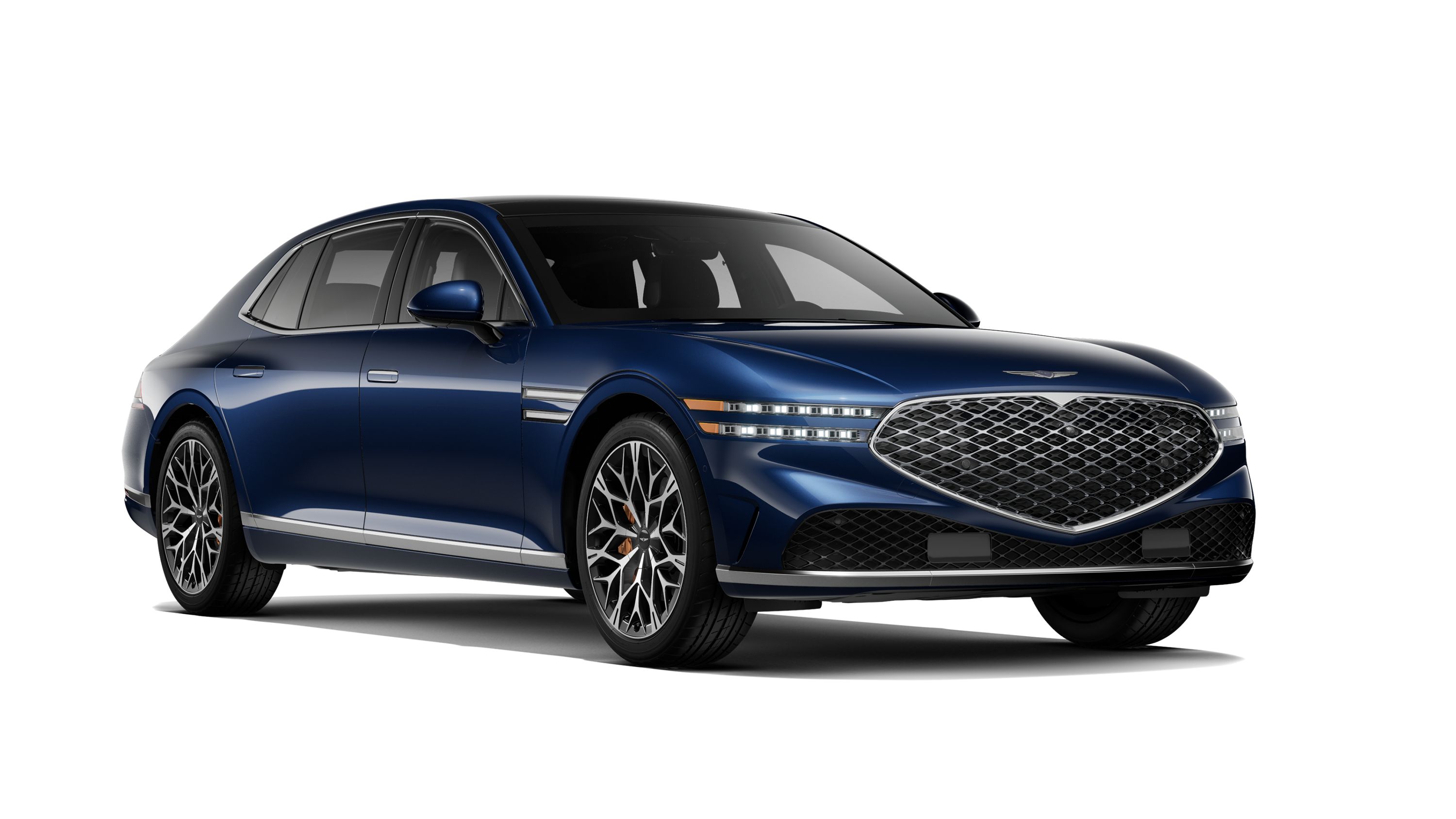
Genesis G90 3.5T AWD. I’m a big fan of Genesis’ offerings, which do luxury the right way. The G90 is the top of the heap. And note that it’s the only sedan in this listing! The flagship model comes with a standard twin-turbo V-6 producing 375 horsepower, but an intriguing 409-horsepower 3.5-liter E-Supercharger mild hybrid 48-volt version is available. Cosseting air suspension and AWD are standard. If you really want to trick it out, you’d opt for the Prestige Black trim, which adds 21-inch wheels, cosseting massage seats, and the deluxe Bang & Olufsen infotainment system. There’s a “mood curator” system that automatically adjusts lighting, seat massage, the sound system and the curtains to create interior atmospheres that either keep you awake or relaxes you. It can be customized via the infotainment screen.
Genesis tends to make luxury more affordable, but that’s relative and the G90 is never going to be confused with an economy car. It starts at $92,700 in base form, and goes all the way up to $105,750 with the E-Supercharger and Black trim.
Save a bit of money with the only slightly less luxurious 2026 Genesis GV80 3.5T Prestige AWD we also tested. It has an initial MSRP of $82,330, with much the same power on tap, 22-inch wheels and Nappa leather.
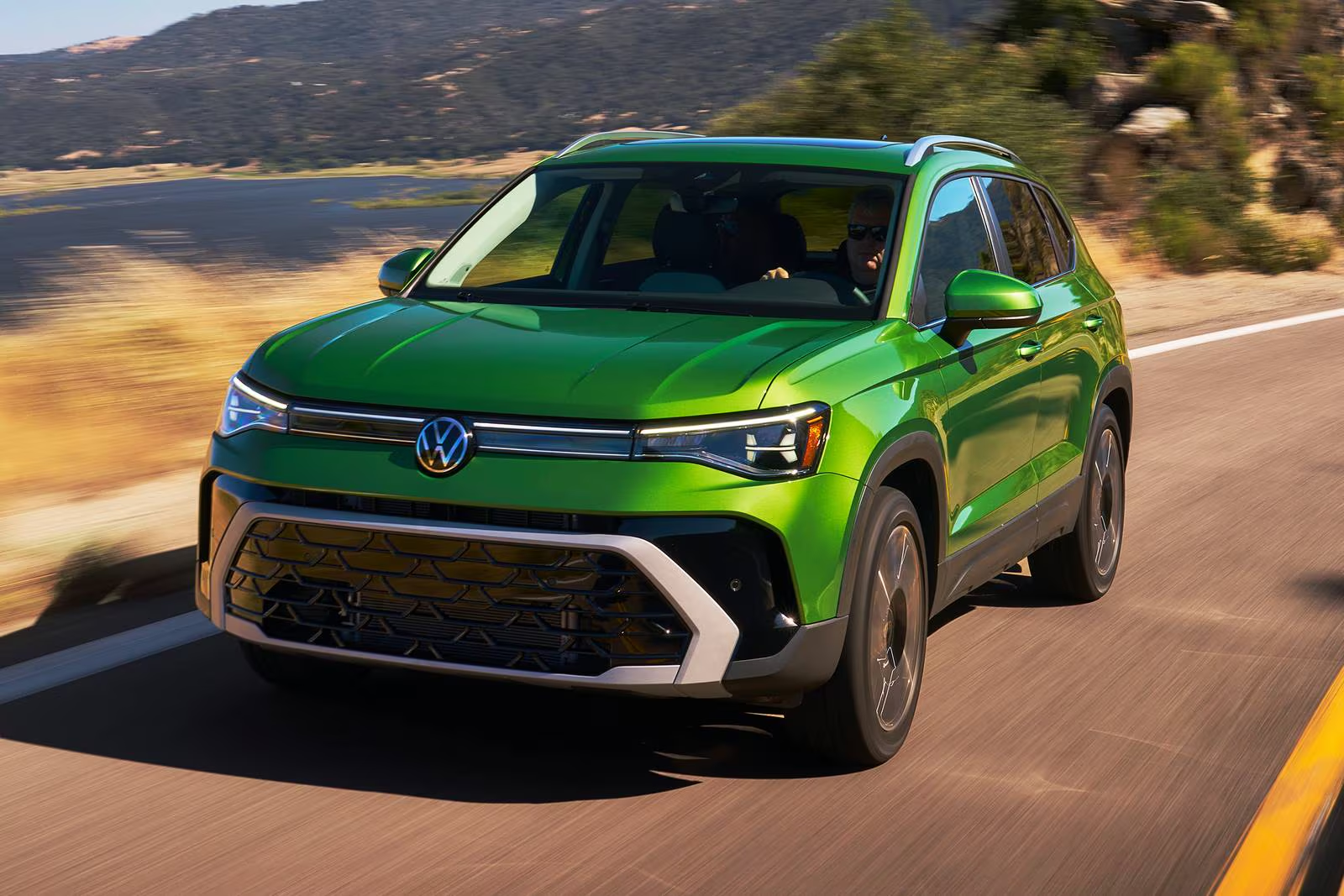
2026 Volkswagen Taos SEL 4MOTION. Speaking of top tier, this is the ultimate iteration of the VW Taos subcompact SUV, and in keeping with the brand’s image it still comes in as affordable (starting at $35,900).
The Taos has relatively modest power—a 174-horsepower 1.5-liter turbo engine with 174 horsepower (up from 158) and 184 pound-feet of torque, paired to an eight-speed automatic. The SEL 4MOTION AWD offers very upscale accommodations for the price, including 19-inch wheels, eight-inch touchscreen with BeatsAudio sound, and premium Vienna leather seats with heating and ventilation. But again, it’s in a very crowded field. The safety suite is impressive, as is the cargo area—up to 60.2 cubic feet with the second row folded.
Considering the restrained output, it would be nice if the Taos’ fuel economy was stellar, but its 28 mpg combined is not all that much better than the much more powerful Mazda CX-30 noted above. VW needs a killer model. Its first quarter 2026 sales dropped up to 20.5 percent from Q1 in 2025.
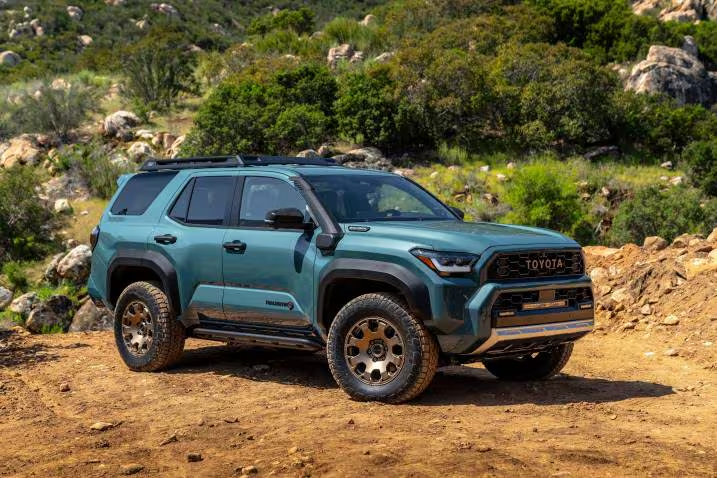
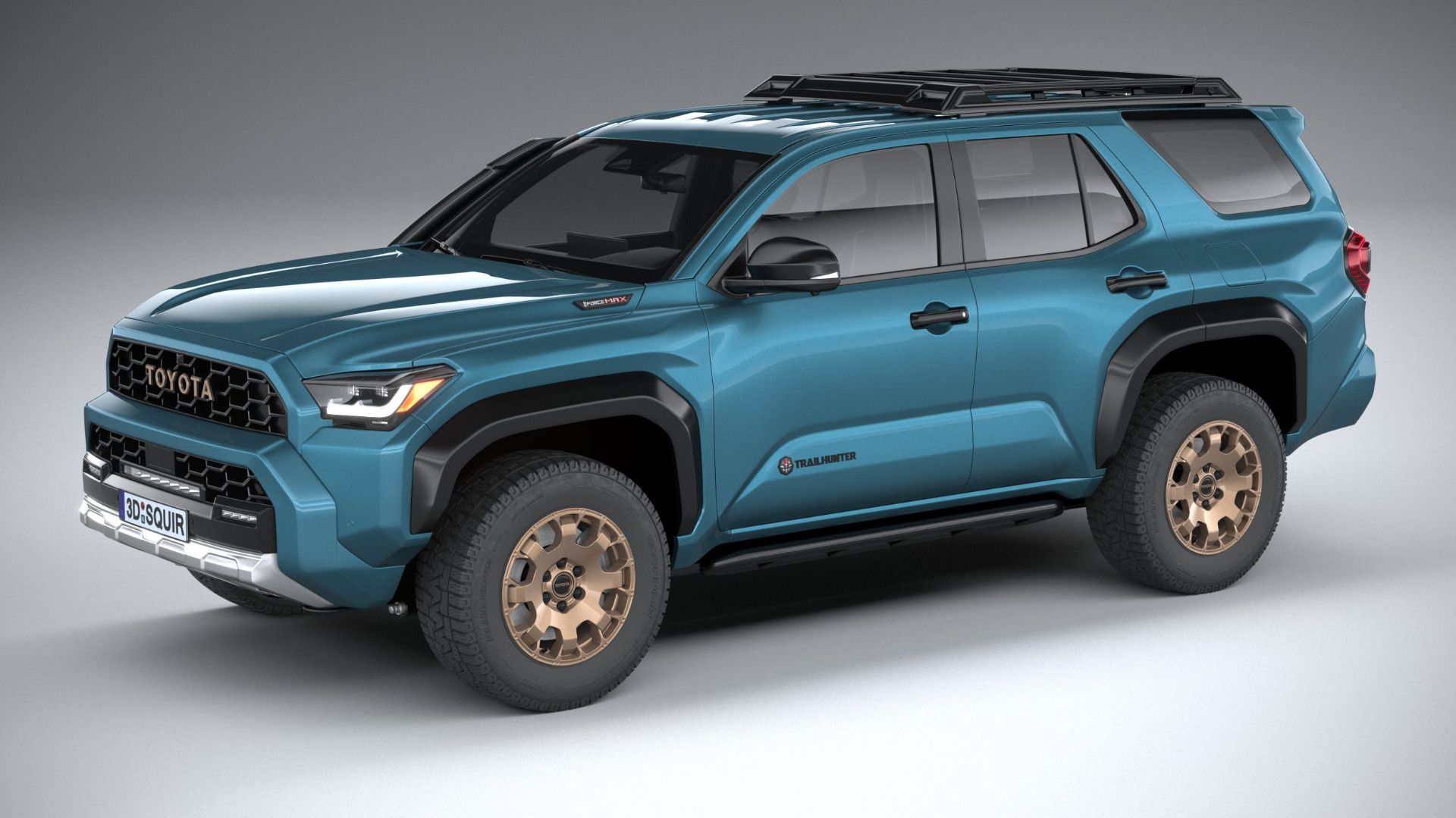
2025 Toyota 4Runner TrailHunter. When I saw the snorkel, I knew that this was a model for really serious trail hunters. Or river forders. I don’t count myself in that number—pavement was invented for a reason—so the charms of this model, cumbersome around town, were somewhat lost on me. Still, I can enumerate them here.
It’s truly impressive that the Japanese have been able to adapt to American tastes, including that weird desire to go “off road”—or at least have the potential to do so. They must shake their heads on the assembly line in Japan.
The TrailHunter comes with a 326 horsepower i-FORCE MAX 2.4-liter turbocharged hybrid drivetrain, generating 326 horsepower and a stump-pulling 465 pound-feet of torque. All those consumers with stumps to pull should take note, as well as those with 6,000 pounds to tow. The AWD is full time, with a locking rear differential. This is 5,500 pounds of SUV, so the 23 mpg combined is not surprising.
The equipment list includes recovery hooks, skid plates to protect the undercarriage, a high-clearance front bumper, the afore-mentioned snorkel that allows the engine to breathe when the car is half submerged, and rock rails. An air compressor is standard, and there are auxiliary switches for add-on accessories. Cargo capacity is impressive, at 42.6 cubic feet behind the second row.